Why Homeowners in Charlotte Battle Green Streaks on Their Siding
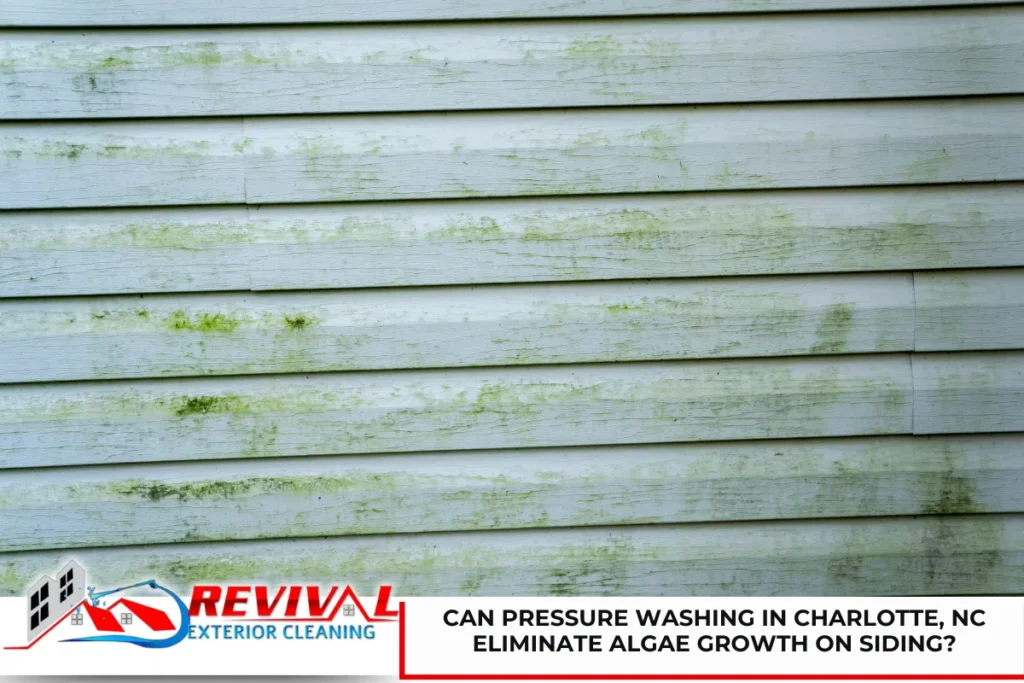
Pressure Washing in Charlotte, NC is one of the most effective solutions for homeowners frustrated by green streaks spreading across their siding. If you have noticed dark stains creeping up vinyl panels or discoloration along shaded walls, you are not alone. The humid climate in Charlotte creates the perfect environment for algae to thrive. Left untreated, algae growth can stain, weaken exterior surfaces, and diminish curb appeal.
Those green patches are more than cosmetic. They trap moisture, encourage mold growth, and can shorten the life of your siding. The good news? A professional pressure wash, when done correctly, can eliminate algae and restore your home’s exterior safely and efficiently. Here is what every homeowner should know.
What Causes Algae Growth on Siding in Charlotte?
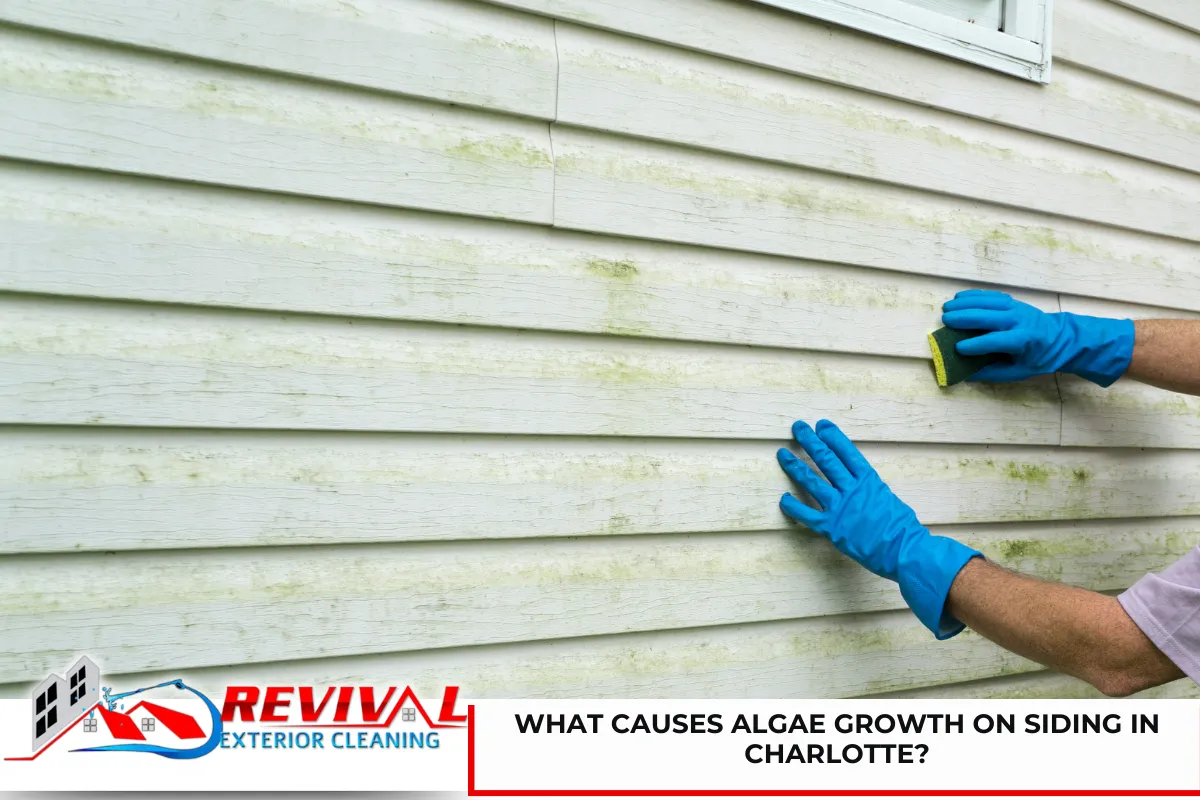
Charlotte’s climate plays a major role. The region experiences warm summers, high humidity, and frequent rainfall. Combined with shaded areas around homes, this creates ideal conditions for algae spores to settle and multiply.
Common Factors That Contribute to Algae Buildup
- North-facing walls that receive less sunlight
- Overhanging trees that trap moisture
- Poor gutter drainage
- Nearby bodies of water
- Organic debris accumulation
The most common culprit seen on siding is Gloeocapsa magma, a type of blue-green algae often mistaken for mold. It feeds on limestone filler used in some siding materials and shingles.
Because Charlotte is located in Mecklenburg County, where seasonal humidity is consistently high, algae growth is a recurring issue for many homeowners.
Can Pressure Washing Actually Remove Algae?
Yes, pressure washing can eliminate algae growth when done properly. However, technique matters more than sheer force.
A professional pressure cleaning service typically uses a method known as soft washing for siding. This approach combines low-pressure water with specialized cleaning solutions designed to break down algae at its root.
Why High Pressure Alone Is Not Enough
Using a pressure washer at full force may remove surface stains temporarily, but it can also:
- Damage vinyl siding
- Force water behind panels
- Strip paint
- Create streaking
Soft washing allows the cleaning solution to neutralize algae spores, preventing rapid regrowth. The process typically includes:
- Application of an eco-conscious cleaning solution
- Dwell time to break down organic matter
- Low-pressure rinse
When done correctly, this method removes algae and delays future buildup.
Pressure Washing vs. Power Washing: Is There a Difference?
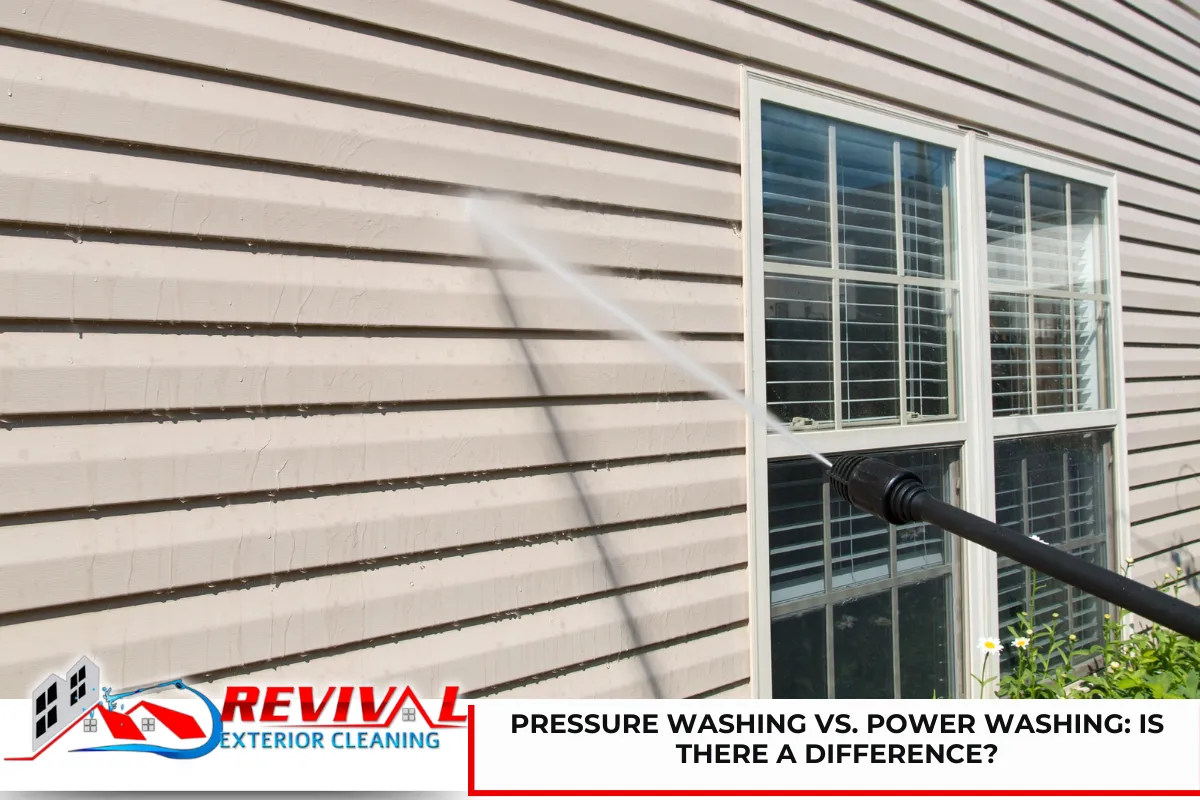
Many homeowners use the terms interchangeably, but there is a distinction.
- Pressure washing uses high-pressure water without heat.
- Power washing uses heated water in addition to pressure.
For algae on siding, heated water is rarely necessary. The key is the cleaning solution and controlled pressure. A professional pressure clean service understands how to adjust PSI levels based on siding material.
Vinyl, fiber cement, stucco, and wood all require different handling. Incorrect pressure levels can void warranties or cause costly repairs.
The Science Behind Algae Removal
Algae thrive in moist environments and anchor themselves to porous surfaces. Simply blasting them away does not eliminate spores.
Professional pressure cleaning often involves a sodium hypochlorite-based solution diluted appropriately. This solution:
- Breaks down organic material
- Kills spores at the source
- Lifts stains
- Prevents immediate regrowth
In North Carolina, exterior cleaning professionals must follow environmental guidelines. Wastewater runoff containing cleaning agents cannot be discharged into storm drains untreated, according to local water quality regulations enforced in Mecklenburg County. Reputable providers take precautions to protect landscaping and nearby waterways.
Read Is Pressure Washing in Charlotte, NC Safe for Painted Exteriors?
Is Pressure Washing Safe for All Types of Siding?
Not all siding materials respond the same way.
Vinyl Siding
Low-pressure soft washing is ideal. High-pressure spray can crack panels or force water behind seams.
Fiber Cement
Durable but still vulnerable to paint damage if the wrong nozzle or PSI is used.
Wood Siding
Requires careful pressure settings. Excessive force can gouge wood grain.
Brick and Stucco
More resilient but still susceptible to mortar erosion if mishandled.
A trained technician selects the appropriate nozzle, water flow, and cleaning mixture based on surface type.
How Often Should You Pressure Wash Siding in Charlotte?
Most Charlotte homeowners benefit from professional pressure washing every 12 to 24 months. Homes with heavy tree coverage or consistent shade may require more frequent service.
Signs it is time to schedule a pressure wash include:
- Visible green or black streaks
- Musty odor near siding
- Discoloration after rainfall
- Pollen buildup
Routine pressure cleaning not only improves appearance but also extends the life of your siding materials.
Does Pressure Washing Prevent Future Algae Growth?
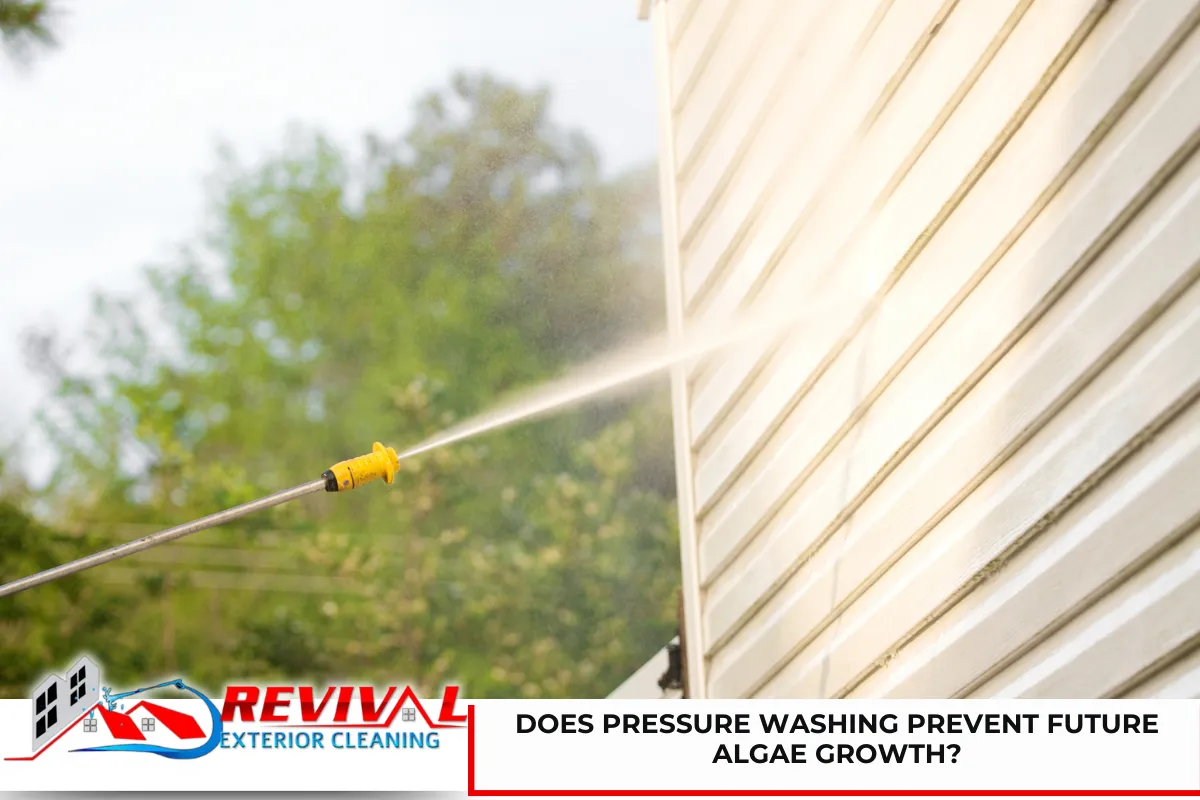
While no cleaning method guarantees permanent prevention, soft washing significantly slows regrowth. Some professional services apply algaecide treatments that inhibit spore development.
Additional preventative steps include:
- Trimming back tree branches
- Improving gutter drainage
- Installing zinc strips in some applications
- Increasing sunlight exposure where possible
Regular maintenance combined with professional power washing keeps algae under control.
Environmental Considerations in Charlotte, North Carolina
Charlotte enforces stormwater management standards aimed at protecting local creeks and lakes. Cleaning runoff should not enter storm drains without proper containment.
Responsible pressure cleaning companies:
- Pre-wet landscaping to protect plants
- Use biodegradable solutions when possible
- Control wastewater runoff
- Comply with North Carolina Department of Environmental Quality guidelines
Homeowners attempting DIY pressure washing should be aware of these regulations to avoid environmental violations.
DIY Pressure Washer vs. Hiring a Professional
Renting a pressure washer may seem cost-effective, but improper technique can cause damage.
Risks of DIY Pressure Washing
- Surface etching
- Water intrusion behind siding
- Injury from high-pressure spray
- Incomplete algae removal
Professional pressure washing services bring commercial-grade equipment, experience, and proper chemical handling knowledge.
In many cases, homeowners who attempt DIY pressure wash services end up hiring professionals to correct damage or address persistent stains.
The Cost of Ignoring Algae on Siding
Algae growth is not just a cosmetic issue.
Over time, moisture retention can:
- Accelerate siding deterioration
- Promote mold growth
- Increase repainting frequency
- Lower property value
Regular pressure cleaning is preventative maintenance. Compared to siding replacement costs, routine exterior cleaning is significantly more affordable.
What to Expect During a Professional Pressure Wash Service
A reputable service typically follows these steps:
- Exterior inspection
- Surface preparation
- Application of cleaning solution
- Controlled low-pressure rinse
- Final inspection
The process usually takes a few hours depending on home size.
Homeowners should close windows, secure outdoor items, and keep pets indoors during the service.
Final Thoughts on Restoring Your Home’s Exterior
Algae growth on siding is a common challenge for Charlotte homeowners, but it is manageable with the right approach. Professional pressure washing removes unsightly stains, protects materials, and enhances curb appeal. When performed responsibly and in compliance with local environmental guidelines, pressure cleaning is both safe and effective.
Routine maintenance not only improves appearance but also protects your investment for years to come.
Pressure Washing in Charlotte, NC – Revival Exterior Cleaning & Pressure Washing
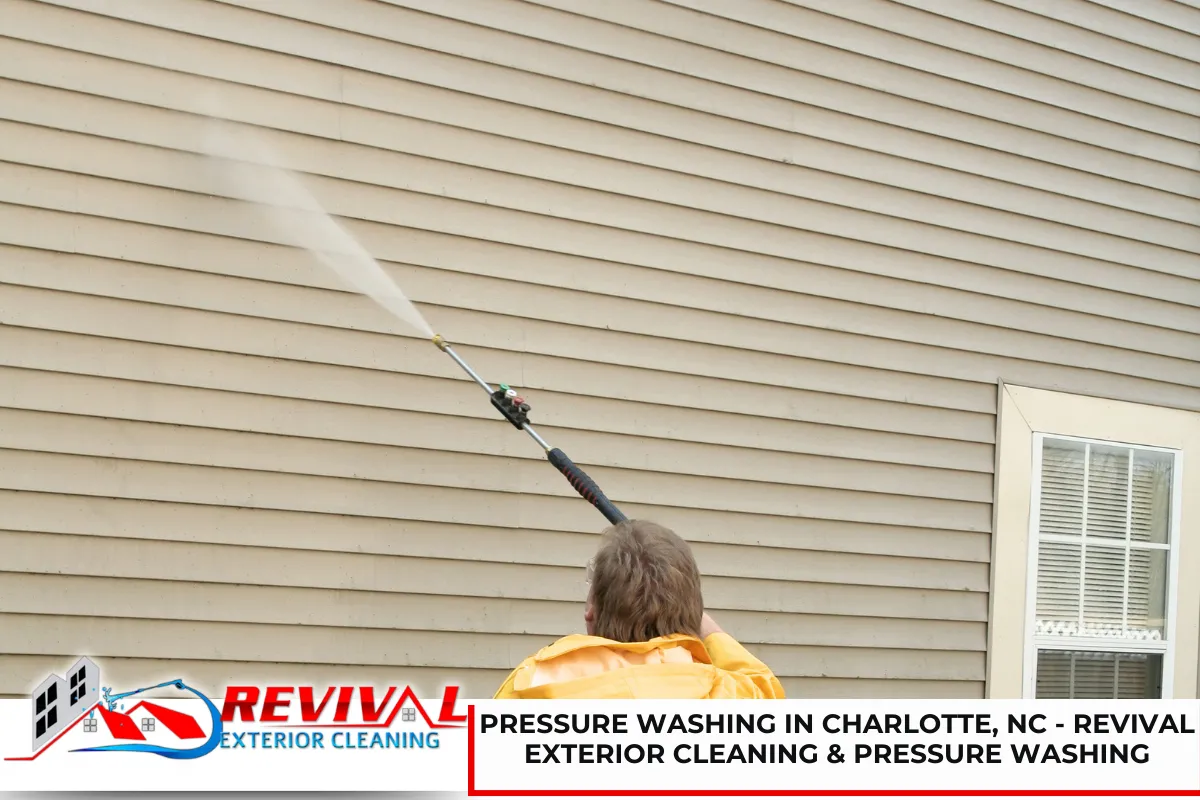
At Revival Exterior Cleaning & Pressure Washing, we help homeowners across Charlotte, North Carolina restore their siding safely and effectively. We understand how quickly algae spreads in our humid climate, and we use proven pressure washing and soft washing methods to eliminate it at the source.
Our team uses professional-grade equipment and environmentally responsible solutions to protect your home and landscaping. Whether you need routine pressure cleaning or a deep exterior restoration, we are ready to help. We proudly serve Charlotte and the surrounding communities with reliable scheduling and detailed workmanship.
Call us today at (980) 264-2359 or fill out our contact form to schedule your pressure washing service. Let us bring your home back to life.
Frequently Asked Questions
Does algae damage siding permanently?
Algae itself typically does not eat through siding materials, but it traps moisture against the surface. Over time, that moisture can contribute to staining, warping, or deterioration, especially on wood-based materials. Vinyl siding may not rot, but prolonged exposure to organic growth can cause discoloration that becomes harder to remove. Regular pressure washing reduces the risk of permanent staining and structural issues. Addressing algae early is the best way to protect your exterior investment and prevent costly repairs later.
Is bleach safe to use for removing algae?
When diluted properly and applied correctly, sodium hypochlorite solutions are commonly used in professional exterior cleaning. However, improper mixing can damage plants, discolor surfaces, and pose safety risks. Professionals understand the correct ratios and neutralization techniques. They also pre-wet landscaping and rinse thoroughly. DIY use without experience can result in unintended damage. It is safer to rely on trained technicians who follow environmental standards and proper handling procedures.
Will pressure washing increase my water bill?
A professional pressure wash generally uses less water than many homeowners expect. Commercial equipment is designed for efficiency, often using fewer gallons per minute than a standard garden hose left running. Because the cleaning process is targeted and completed within a few hours, the impact on your monthly water bill is usually minimal. The benefits of preventing siding damage and extending surface life far outweigh the small water usage increase.
Can algae grow back after professional cleaning?
Yes, algae can return over time, especially in humid climates like Charlotte. However, proper soft washing removes spores at the root, significantly slowing regrowth. Many homeowners notice results lasting one to two years. Maintenance schedules vary depending on shade, tree coverage, and moisture exposure. Routine pressure cleaning helps maintain long-term protection and keeps siding looking fresh year-round.
Is there a best season for pressure washing in Charlotte?
Spring and fall are popular seasons because temperatures are moderate and pollen or summer buildup is visible. However, pressure washing can be performed year-round as long as temperatures remain above freezing. Scheduling before peak humidity in late spring can help prevent heavy algae spread. Ultimately, the best time is when visible staining appears or before preparing your home for sale or repainting.
Disclaimer: This article is for informational purposes only and does not constitute professional or environmental compliance advice. Always consult qualified exterior cleaning professionals and follow local Charlotte and North Carolina regulations before performing pressure washing services.
Read Window Cleaning in Charlotte, NC: Is Pressure Washing or Soft Washing Better for Large Glass Panels?