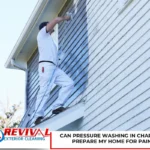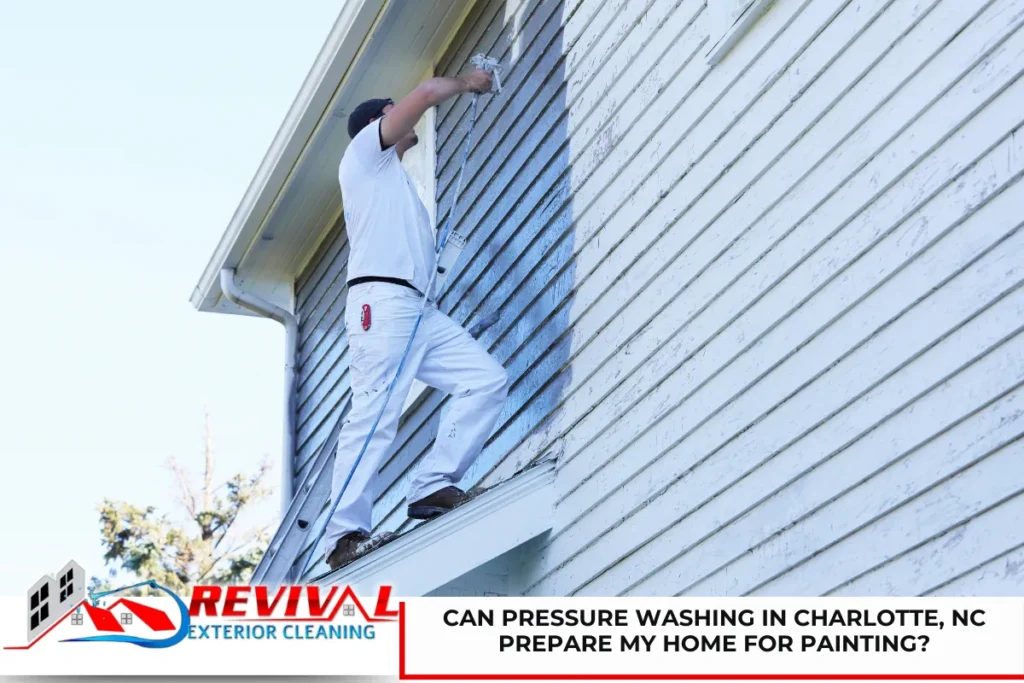
Pressure Washing in Charlotte, NC is often the missing step between a paint job that fails and one that lasts for years. If you’ve ever seen fresh paint start peeling, bubbling, or fading within months, the real problem usually wasn’t the paint. It was the surface underneath. Dirt, mildew, chalking, and loose debris can prevent proper adhesion. In a humid climate like Charlotte, exterior surfaces collect moisture, algae, and grime quickly. Skipping surface preparation may save time today but can cost thousands later. The solution? A thorough pressure wash before painting. When done correctly, it creates a clean, sound surface that allows primer and paint to bond properly, improving durability and curb appeal.
Why Surface Preparation Determines Paint Longevity
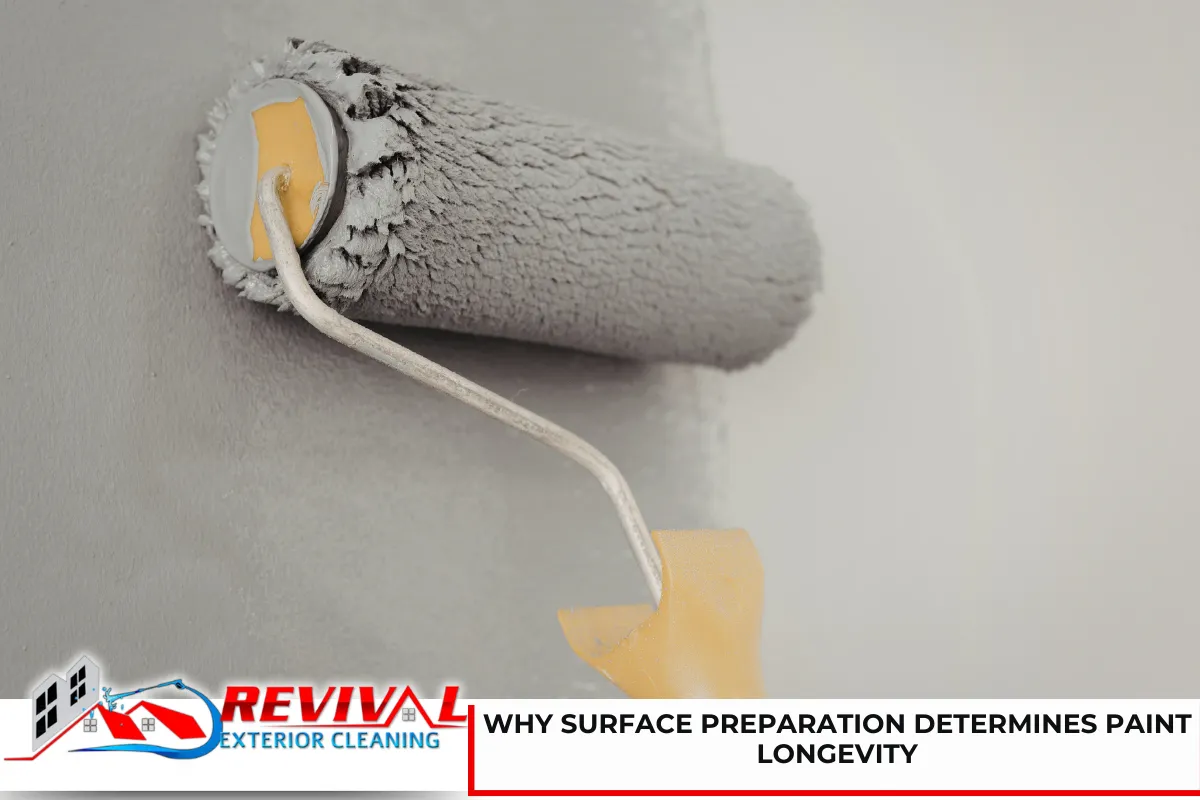
Painting a home isn’t just about color selection. It’s about creating a surface that allows paint to adhere properly. Exterior siding in Charlotte experiences:
- Humidity and seasonal rain
- Pollen buildup
- Mold and mildew growth
- Road dust and airborne pollutants
- Tree sap and organic debris
When paint is applied over contaminants, it traps moisture and grime underneath. Over time, this leads to blistering, cracking, and premature peeling.
Professional pressure cleaning removes these contaminants before primer and paint are applied. This preparation step improves adhesion and significantly extends the life of your paint job.
Charlotte’s Climate and Its Impact on Exterior Surfaces
Charlotte’s climate plays a major role in why pressure washing is so important before painting.
Humidity and Mold Growth
North Carolina’s warm, humid conditions create ideal breeding grounds for mold, mildew, and algae. These organisms cling to siding and trim, especially on shaded sides of the home. Painting over them without pressure cleaning can cause staining and paint failure.
Pollen and Airborne Particles
Charlotte sees heavy pollen seasons each year. Fine yellow dust settles into siding pores and crevices. Without a proper pressure wash, that layer acts like a barrier between paint and surface.
Storm Residue and Debris
Thunderstorms and wind events leave behind mud splatter and debris. Power washing clears these contaminants away before prep work begins.
How Pressure Washing Improves Paint Adhesion
Paint needs a clean, slightly textured surface to grip properly. A pressure washer removes:
- Flaking or peeling paint
- Dirt and grime
- Oxidized chalking on older siding
- Mold spores and algae
- Cobwebs and insect nests
By removing these materials, pressure washing creates a stable substrate. Many professional painters recommend washing at least 24–48 hours before priming to allow complete drying.
The Difference Between Pressure Washing and Power Washing
Many homeowners use the terms interchangeably, but there is a technical difference.
- Pressure washing uses high-pressure water to remove dirt and buildup.
- Power washing uses heated water along with pressure for deeper cleaning.
For most residential painting prep in Charlotte, a pressure wash is sufficient. However, surfaces with heavy grease or stubborn stains may benefit from heated water cleaning methods.
Surfaces That Should Be Pressure Cleaned Before Painting
Not all exterior materials respond the same way to water pressure. Proper technique is critical.
Vinyl Siding
Vinyl collects mildew and oxidation. A moderate pressure clean removes buildup without causing cracks or warping.
Fiber Cement and Hardboard
These materials must be handled carefully. Excessive pressure can cause surface damage. Soft washing techniques are often safer.
Brick and Masonry
Brick exteriors benefit from pressure cleaning to remove efflorescence and grime. Mortar joints should be inspected before washing.
Wood Siding and Trim
Wood requires lower pressure to avoid gouging. Loose paint should be scraped after washing and drying.
Concrete and Foundations
Driveways and foundations often require a stronger pressure wash to remove oil stains and embedded dirt prior to painting or sealing.
What Happens If You Skip Pressure Washing?
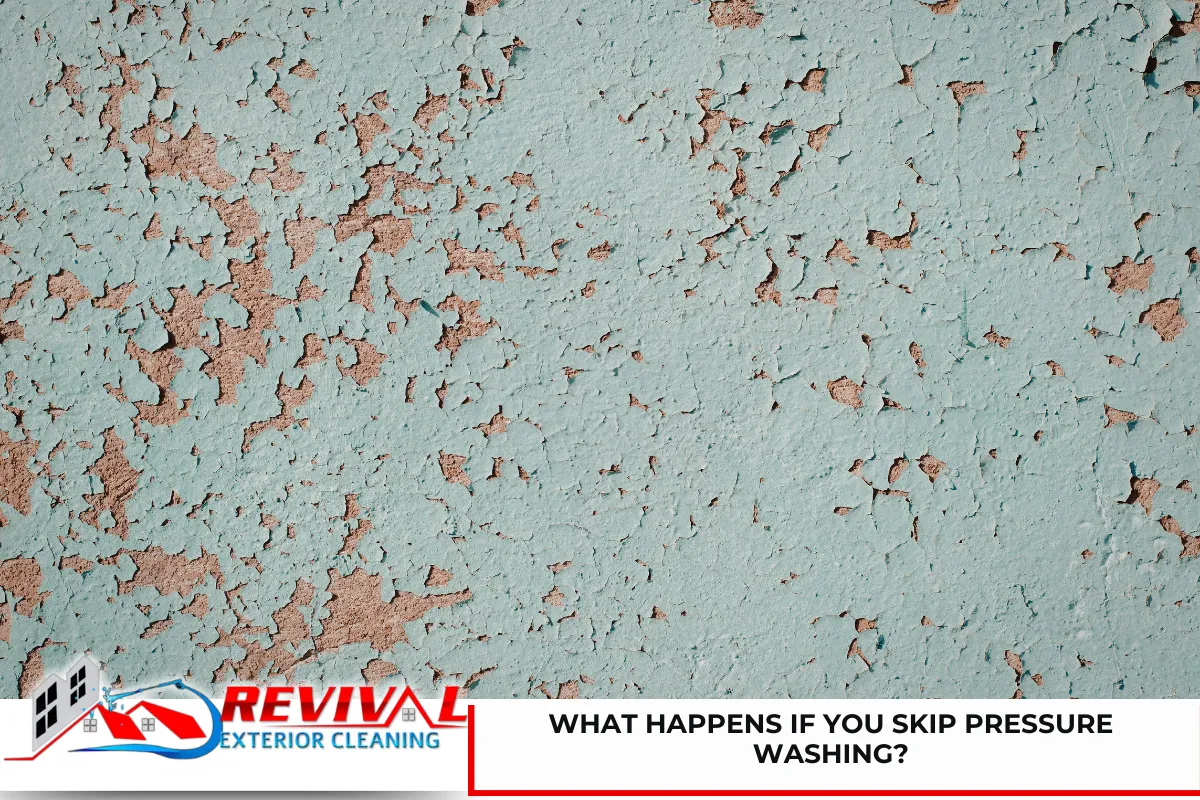
Skipping this step can lead to:
- Peeling within the first year
- Visible stains bleeding through paint
- Uneven color absorption
- Mold growth under paint layers
- Reduced lifespan of exterior coatings
Paint manufacturers often specify clean, dry surfaces in their preparation guidelines. Failing to follow these recommendations may void warranties.
Proper Drying Time Before Painting
After pressure washing, the home must dry thoroughly.
- Most siding requires 24–48 hours of dry weather.
- Wood surfaces may require longer drying times.
- Moisture meters can verify dryness before priming.
Painting over damp surfaces traps moisture and leads to blistering.
Charlotte Regulations and Environmental Considerations
In Charlotte, stormwater management regulations prohibit pollutants from entering storm drains. Wastewater from pressure cleaning must not discharge into stormwater systems if it contains chemicals or contaminants.
Homeowners and contractors should:
- Avoid allowing detergents to flow into storm drains.
- Follow Mecklenburg County stormwater guidelines.
- Use environmentally responsible cleaning solutions.
- Contain runoff when necessary.
Hiring experienced professionals ensures compliance with local regulations and protects nearby landscaping and waterways.
Should You DIY or Hire a Professional?
Renting a pressure washer from a home improvement store may seem cost-effective. However, improper use can cause damage.
Risks of DIY Pressure Washing
- Siding cracks
- Water intrusion behind panels
- Stripped window seals
- Damaged wood grain
- Personal injury from high-pressure spray
Professional pressure washing technicians understand PSI levels, nozzle selection, spray angles, and cleaning solutions appropriate for each surface.
Step-by-Step Process for Painting Preparation
A professional preparation process often includes:
- Inspection of exterior surfaces
- Protecting landscaping and fixtures
- Applying cleaning solution when necessary
- Pressure washing at appropriate PSI
- Rinsing thoroughly
- Allowing proper drying time
- Scraping loose paint
- Sanding rough edges
- Priming exposed areas
Each step contributes to a durable finish.
Read Will Pressure Washing in Charlotte, NC Remove Chalky Residue From Siding?
When Is the Best Time to Pressure Wash Before Painting?
In Charlotte, spring and early fall are ideal seasons for exterior projects. These periods typically offer:
- Moderate humidity
- Lower rainfall frequency
- Stable temperatures
Avoid pressure cleaning immediately before heavy rain. Dry conditions ensure surfaces fully dry before painting begins.
The Role of Soft Washing in Paint Preparation
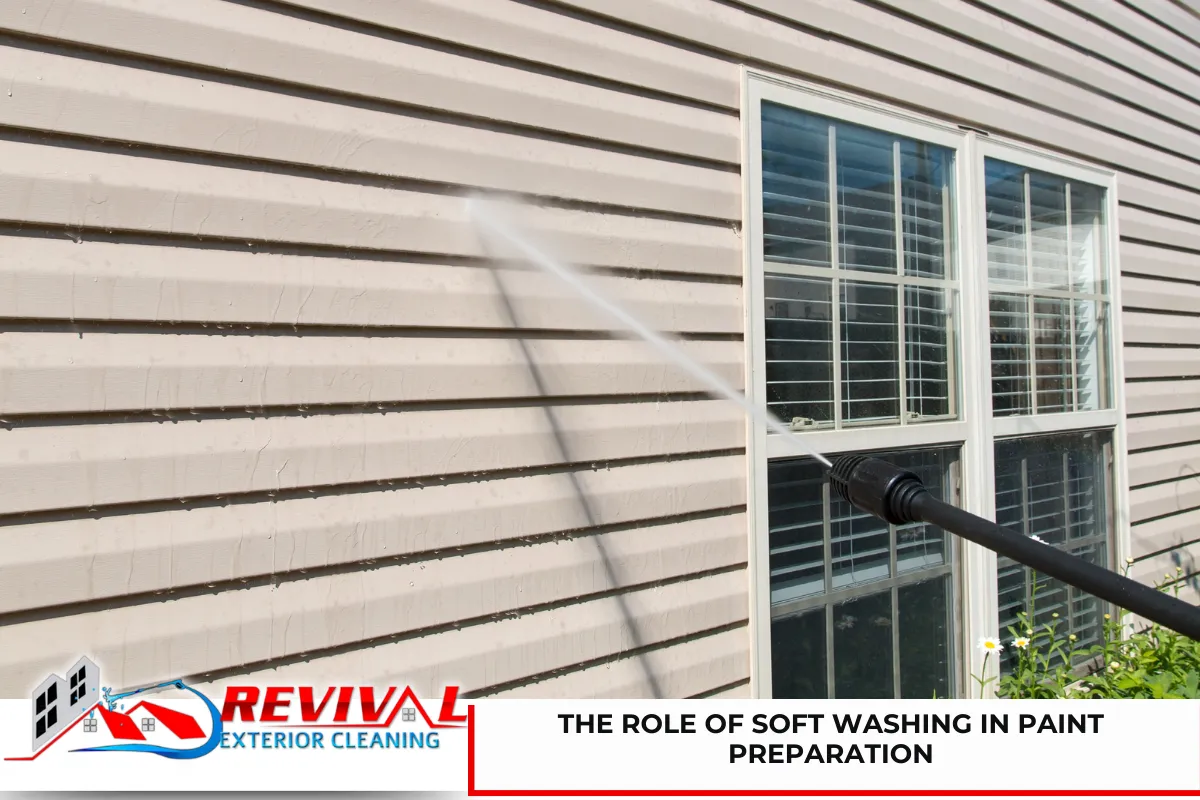
Some surfaces require low-pressure methods known as soft washing. This technique uses cleaning solutions combined with gentle water flow to remove organic growth without surface damage.
Soft washing is ideal for:
- Older wood siding
- Delicate trim
- Painted surfaces in good condition
- Rooflines prior to trim repainting
Choosing the correct method protects structural integrity.
Common Contaminants Found on Charlotte Homes
Exterior homes in the region commonly accumulate:
- Green algae streaks
- Black mildew spotting
- Red clay splatter
- Spider webs
- Tree pollen
- Air pollution residue
Pressure cleaning eliminates these contaminants and restores the surface before repainting.
How Pressure Washing Saves Money Long-Term
Although pressure washing adds an upfront cost, it reduces long-term expenses by:
- Extending paint lifespan
- Reducing repaint frequency
- Preventing moisture-related repairs
- Improving resale value
- Enhancing curb appeal
A properly prepared exterior may last 7–10 years before needing repainting, depending on materials and climate.
Signs Your Home Needs Pressure Washing Before Painting
Look for:
- Peeling or flaking paint
- Green or black staining
- Chalky residue on hands when touched
- Visible dirt buildup
- Spider webs and insect nests
- Uneven surface color
If any of these are present, a thorough pressure wash is necessary before painting.
Protecting Landscaping During Pressure Cleaning
Before pressure washing:
- Cover delicate plants
- Rinse vegetation before and after cleaning
- Avoid harsh chemical runoff
- Direct spray away from garden beds
Responsible cleaning protects your yard while preparing the home.
How Long Does a Pressure Wash Take?
For an average single-family home in Charlotte:
- 2–4 hours for standard exterior washing
- Additional time for heavy buildup
- Extra time for multi-story homes
Preparation and drying time must be factored into your painting timeline.
Choosing the Right Equipment
Professional-grade pressure washers typically range between 2,000 and 3,500 PSI for residential work. However, pressure settings vary by material.
Nozzle types, spray angles, and cleaning agents all influence effectiveness. Using the wrong tip can damage siding instantly.
Final Thoughts on Preparing Your Home for Paint
Pressure washing is not optional if you want a professional-quality paint job. In Charlotte’s humid environment, surfaces accumulate contaminants quickly. Skipping this essential preparation step risks peeling, cracking, and mold growth under fresh paint. When performed correctly, pressure cleaning creates a clean foundation that allows coatings to bond properly and last for years. Whether you plan to repaint for aesthetic reasons or to protect your investment, starting with a thorough pressure wash ensures the best results.
Pressure Washing in Charlotte, NC – Revival Exterior Cleaning & Pressure Washing
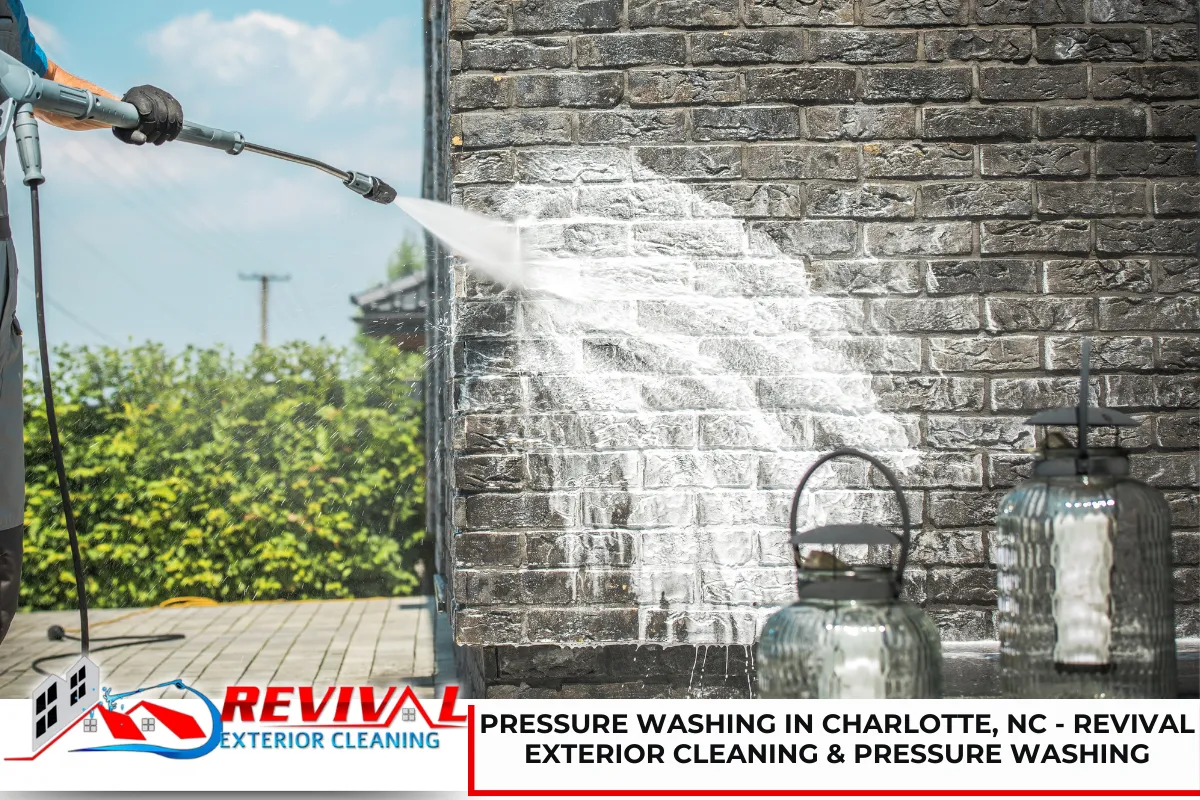
At Revival Exterior Cleaning & Pressure Washing, we specialize in preparing homes for flawless paint results. Our professional pressure washing services remove dirt, mildew, algae, and peeling paint safely and effectively. We understand Charlotte’s climate and use the proper pressure cleaning methods for each surface, whether it’s vinyl siding, brick, wood, or concrete.
We follow local environmental guidelines and take extra care to protect landscaping and surrounding areas. Our equipment delivers consistent results without surface damage. If you’re planning to repaint your home, let us handle the preparation the right way.
Call us today at (980) 264-2359 or fill out our contact form to schedule your service. We proudly serve Charlotte, North Carolina and the prominent surrounding areas. Let us help you protect your investment with expert pressure washing.
Frequently Asked Questions
How far in advance should pressure washing be done before painting?
Pressure washing should typically be completed 24 to 72 hours before painting, depending on weather conditions and surface material. In Charlotte’s humid climate, drying time is critical. Wood siding may require additional drying time compared to vinyl or brick. If moisture remains trapped beneath the surface, primer and paint may fail prematurely. Monitoring weather forecasts is also important to avoid rainfall between cleaning and painting. Ideally, schedule pressure cleaning during a stretch of dry, mild weather to ensure surfaces are fully dry before applying primer or paint.
Can pressure washing remove all old paint?
Pressure washing can remove loose, flaking, or peeling paint, but it does not completely strip intact paint layers. High-pressure water helps eliminate failing sections, making it easier to scrape and sand remaining rough areas afterward. For homes with multiple layers of deteriorating paint, additional methods like scraping or sanding may be required. Using too much pressure in an attempt to remove all paint can damage siding or force water behind surfaces. A balanced approach ensures proper preparation without structural harm.
Is detergent necessary when pressure cleaning before painting?
In many cases, yes. Detergents help break down mold, mildew, algae, and oily residues that plain water may not remove effectively. Charlotte homes often develop organic growth due to humidity, and cleaning solutions assist in killing spores before painting. However, detergents must be rinsed thoroughly to prevent residue from interfering with paint adhesion. Eco-friendly cleaning agents are recommended to comply with local environmental guidelines and protect landscaping and stormwater systems.
Will pressure washing damage caulking or seals?
Improper technique can damage caulking, window seals, and trim. Excessive pressure or incorrect spray angles may loosen caulk joints or force water into cracks. That’s why adjusting PSI and using appropriate nozzles is critical. Professional technicians are trained to avoid directing high-pressure streams directly at seams or gaps. After pressure washing, it’s common to inspect caulking and reseal areas as part of the painting preparation process. Proper care reduces the risk of moisture intrusion and structural damage.
Do all homes in Charlotte need pressure washing before repainting?
Almost all exterior repainting projects benefit from pressure washing, even if surfaces appear clean. Charlotte’s seasonal pollen, humidity, and airborne pollutants create buildup that isn’t always visible. Even newer homes accumulate contaminants that reduce paint adhesion. The only exception might be newly constructed surfaces that have remained protected and uncontaminated. In most cases, pressure cleaning is a recommended industry standard for exterior repainting projects to ensure durability and professional-quality results.
Disclaimer: This article is for informational purposes only and does not constitute professional construction or legal advice. Always consult qualified contractors and follow local Charlotte and Mecklenburg County regulations when performing exterior cleaning or painting projects.
Read Can Pressure Washing in Charlotte, NC Eliminate Algae Growth on Siding?