Why Oil Stains on Garage Floors Are Harder to Remove Than You Think
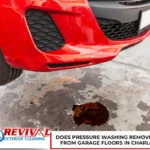
Pressure Washing in Charlotte, NC is often the first solution homeowners consider when dealing with stubborn oil leaks on garage floors. The problem is that oil stains don’t just sit on the surface—they penetrate deep into porous concrete. This makes them difficult to remove with simple pressure cleaning alone. Left untreated, these stains can spread, darken, and even create slipping hazards. The good news is that with the right combination of pressure wash techniques, cleaning agents, and professional equipment, oil stains can be significantly reduced or fully removed. Understanding how pressure washing works—and its limitations—is key to getting the best results.
What Happens When Oil Leaks Into Concrete?
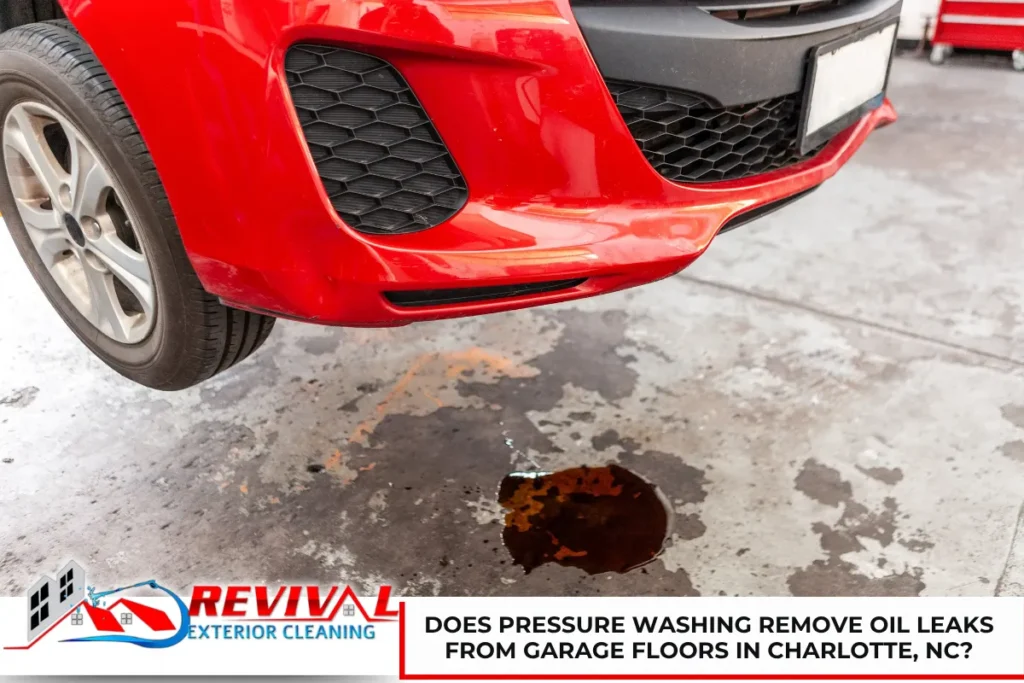
Garage floors in Charlotte homes are typically made of unfinished or lightly sealed concrete. Concrete is highly porous, meaning it absorbs liquids like motor oil, transmission fluid, and grease quickly.
Why Oil Bonds to Concrete Surfaces
When oil seeps into concrete, it binds with the material at a microscopic level. Over time, heat and oxidation make the stain darker and more stubborn. This is why a simple rinse or light pressure clean often doesn’t work.
Environmental Impact in Charlotte, NC
Charlotte’s climate—hot summers and occasional humidity—can worsen oil stains. Heat causes oil to expand and sink deeper into the concrete. Additionally, improper cleaning can allow contaminants to enter stormwater systems, which is regulated under local environmental guidelines.
Can Pressure Washing Alone Remove Oil Stains?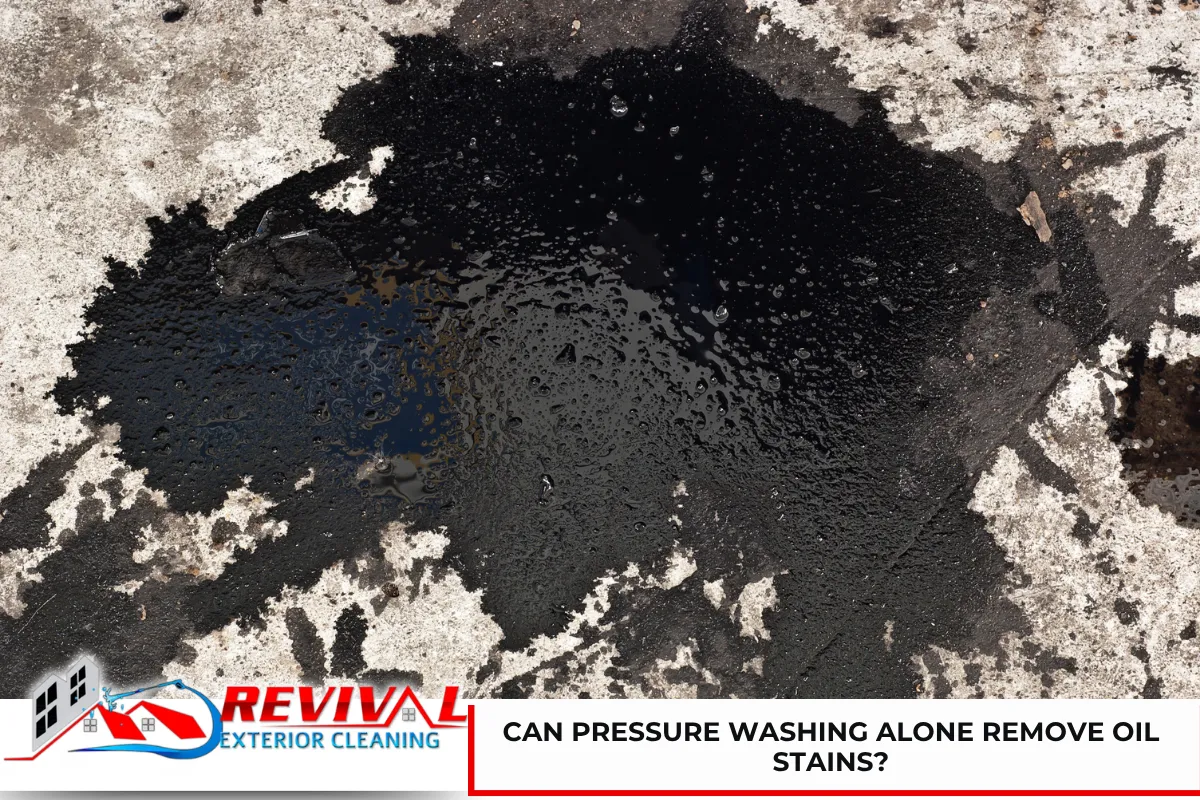
The Short Answer
A pressure washer alone may lighten oil stains, but it rarely removes them completely without additional treatment.
Why Pressure Washing Has Limitations
Pressure washing relies on high-pressure water to remove dirt and debris. While effective for surface cleaning, it doesn’t break down oil molecules embedded in concrete.
Here’s what typically happens:
- Surface grime is removed
- Some oil residue is lifted
- Deep stains remain visible
When Pressure Cleaning Works Best
Pressure cleaning is most effective when:
- The oil spill is fresh
- The surface has been pre-treated
- Hot water or power washing is used
The Role of Detergents and Degreasers
To effectively remove oil stains, professionals use specialized degreasers alongside pressure washing.
How Degreasers Break Down Oil
Degreasers work by emulsifying oil, breaking it into smaller particles that can be rinsed away. This step is essential before using a pressure washer.
Common Cleaning Solutions Used
- Alkaline degreasers
- Enzyme-based cleaners
- Industrial-grade concrete cleaners
These solutions are applied, allowed to dwell, then rinsed using pressure wash techniques.
Hot Water vs Cold Water Pressure Washing
Why Temperature Matters
Hot water power washing is significantly more effective for oil removal than cold water pressure cleaning.
- Hot water melts grease and oil
- Improves detergent performance
- Speeds up cleaning time
Cold water pressure washers can still be used, but results are often limited without proper chemicals.
Step-by-Step Process for Removing Oil Stains
Professional Cleaning Approach
- Inspection of the stain
Determine how deep and old the oil stain is. - Pre-treatment application
Apply a degreaser and allow it to penetrate. - Agitation
Scrub the area to loosen embedded oil. - Pressure washing or power washing
Use hot water and appropriate PSI settings. - Repeat if necessary
Deep stains may require multiple treatments.
Read Does Pressure Washing Remove Rust Stains From Driveways in Charlotte, NC?
DIY vs Professional Pressure Washing in Charlotte, NC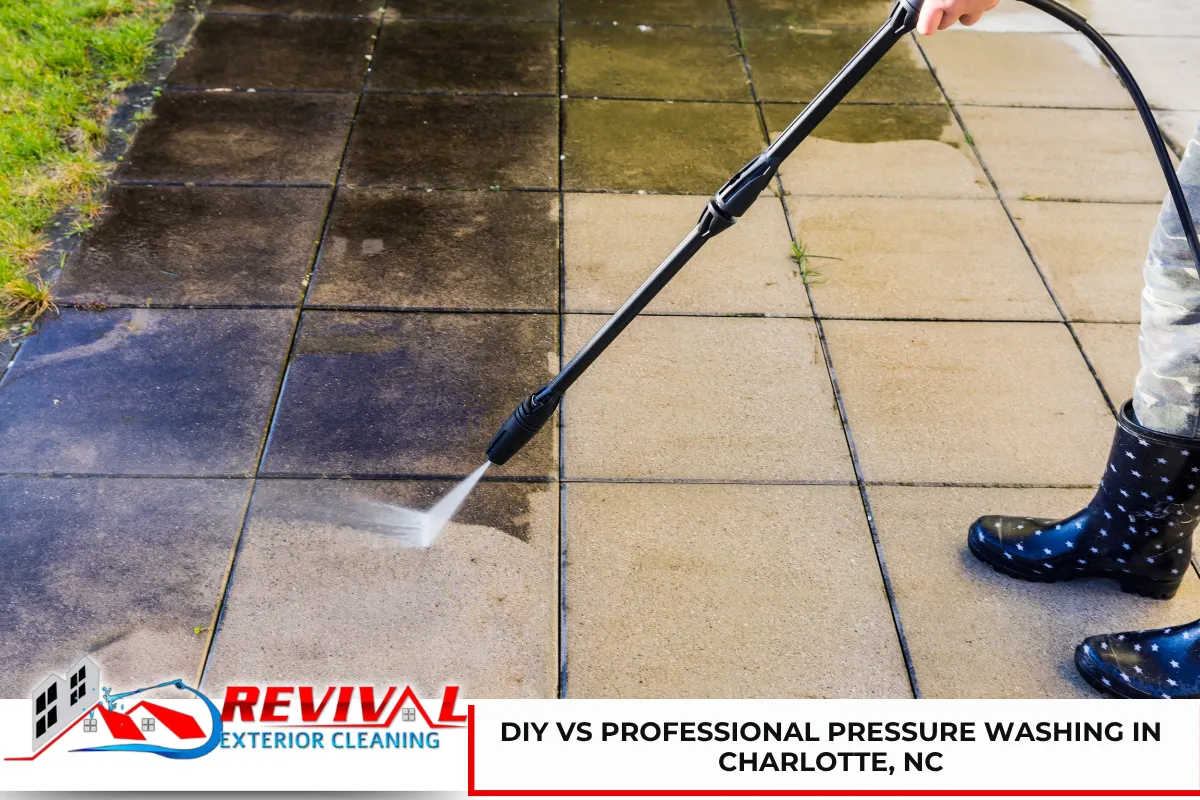
DIY Pressure Cleaning: Pros and Cons
Pros:
- Lower upfront cost
- Convenient for small spills
Cons:
- Limited equipment power
- Lack of professional-grade cleaners
- Risk of spreading stains
Professional Services Advantages
Hiring experts for pressure washing in Charlotte, NC offers:
- Commercial-grade pressure washers
- Hot water systems
- Eco-friendly cleaning solutions
- Compliance with local environmental regulations
Charlotte Regulations for Pressure Washing and Runoff
Why Compliance Matters
Charlotte follows environmental guidelines to prevent pollutants from entering storm drains. Oil and grease are considered contaminants.
Key Local Considerations
- Wastewater must not enter storm drains untreated
- Use of biodegradable cleaning agents is encouraged
- Proper containment and disposal methods are required
Professional pressure cleaning companies are trained to follow these standards, protecting both your property and the environment.
Factors That Affect Oil Stain Removal Success
Age of the Stain
Fresh stains are easier to remove. Older stains require multiple treatments.
Type of Oil
- Motor oil: Thick and stubborn
- Transmission fluid: Penetrates quickly
- Hydraulic fluid: Leaves deep stains
Surface Condition
Sealed concrete resists staining better than unsealed surfaces.
Alternative Methods Beyond Pressure Washing
Sometimes pressure washing alone isn’t enough. Additional methods include:
Poultice Cleaning
A paste applied to draw oil out of concrete over time.
Steam Cleaning
High-temperature steam can break down stubborn grease.
Concrete Sealing
After cleaning, sealing prevents future stains.
Preventing Future Oil Stains
Simple Preventative Steps
- Use drip pans under vehicles
- Clean spills immediately
- Apply a concrete sealer
- Schedule routine pressure wash maintenance
When to Call a Professional
If your garage floor has:
- Dark, set-in oil stains
- Multiple spill areas
- Slippery residue
It’s time to consider expert pressure washing services. Professionals have the tools and experience to restore your garage floor effectively.
What You Should Expect After Proper Cleaning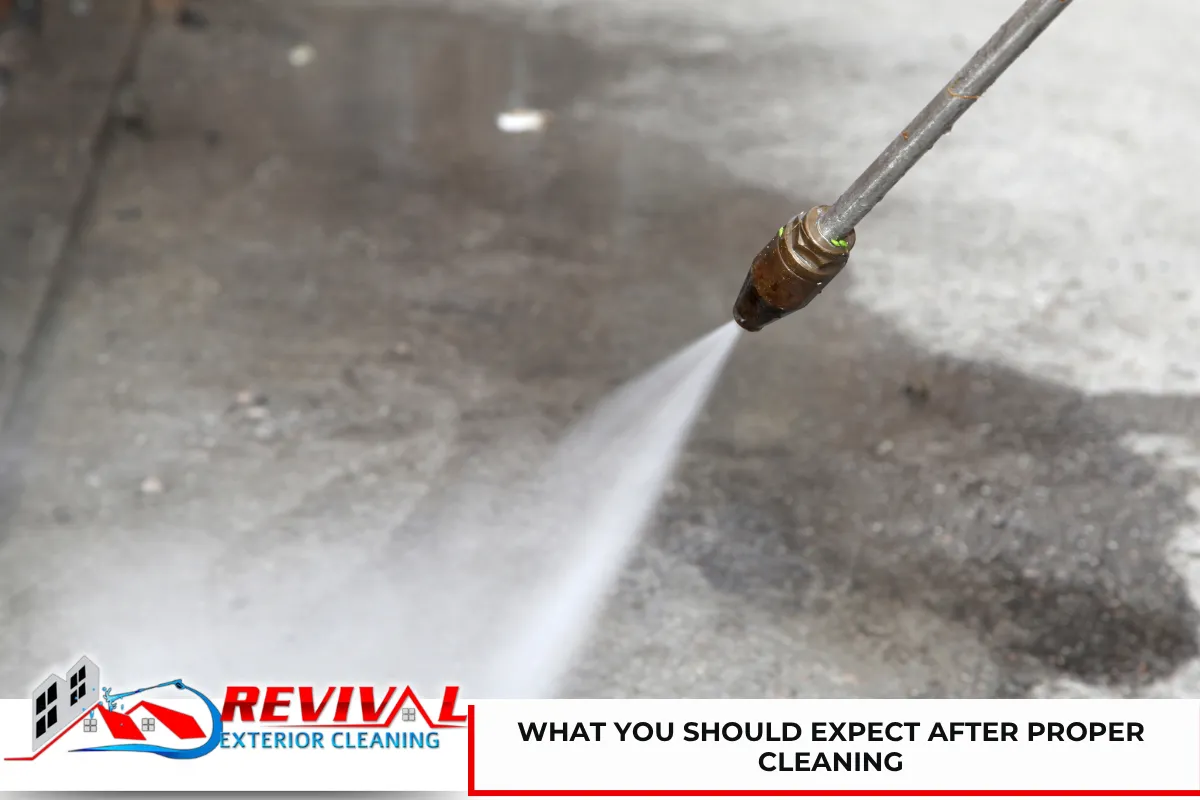
After a thorough pressure cleaning process:
- Oil stains are significantly reduced or removed
- Surface looks cleaner and brighter
- Slip hazards are minimized
- Concrete lifespan is extended
However, extremely deep stains may leave slight discoloration even after multiple treatments.
Long-Term Maintenance Tips for Garage Floors
To keep your garage floor clean:
- Schedule annual pressure washing
- Reapply sealant every 1–3 years
- Address leaks immediately
- Avoid letting oil sit for long periods
Consistent maintenance is the key to preventing permanent damage.
Final Thoughts on Restoring Oil-Stained Garage Floors
Oil stains don’t have to be permanent. While pressure washing alone may not fully eliminate deep stains, combining it with proper cleaning solutions and professional techniques can deliver impressive results. In Charlotte, where environmental compliance matters, working with experienced professionals ensures both effective cleaning and responsible practices. With the right approach, your garage floor can look clean, safe, and well-maintained again.
Pressure Washing in Charlotte, NC – Revival Exterior Cleaning & Pressure Washing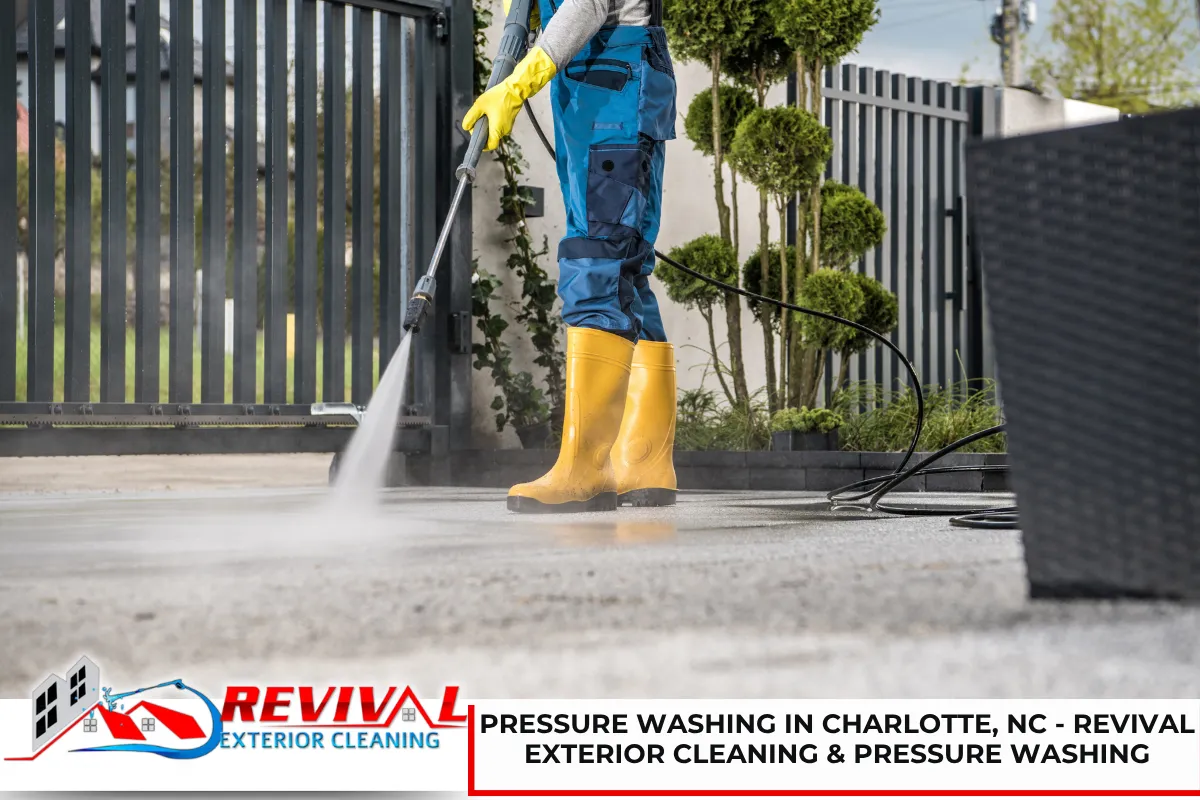
At Revival Exterior Cleaning & Pressure Washing, we specialize in removing tough oil stains from garage floors using advanced pressure washing and power washing techniques. We understand how frustrating oil leaks can be, and we’re here to help restore your concrete surfaces safely and effectively.
We use professional-grade pressure washers, hot water systems, and eco-friendly degreasers to break down and lift even the most stubborn stains. Our team follows all Charlotte environmental guidelines, ensuring proper wastewater handling and responsible cleaning practices.
When you choose us, you’re choosing reliable service, fast response times, and results that last. Whether it’s a small spill or years of buildup, we have the expertise to handle it.
Call us today at (980) 264-2359 or fill out our contact form to schedule your pressure washing service in Charlotte, North Carolina and surrounding areas.
Frequently Asked Questions
Can baking soda or cat litter remove oil stains before pressure washing?
Yes, absorbent materials like baking soda or cat litter can help pull fresh oil from concrete before pressure washing. They work best when applied immediately after a spill. However, they won’t remove deep stains completely. After absorption, pressure cleaning combined with a degreaser is still necessary to eliminate remaining residue embedded in the surface.
Does sealing concrete completely prevent oil stains?
Concrete sealing significantly reduces the chances of oil penetration but doesn’t make the surface completely stain-proof. A high-quality sealant creates a barrier, giving you more time to clean spills before they soak in. However, if oil is left sitting too long, it can still cause discoloration. Regular maintenance and cleaning are still important.
How long does it take to remove oil stains with pressure washing?
The time depends on the size and severity of the stain. Small, fresh stains may take under an hour, while older or larger stains can require multiple treatments over several hours or even days. Professional pressure washing services often achieve faster and more effective results due to better equipment and cleaning agents.
Is pressure washing safe for all garage floors?
Pressure washing is generally safe for concrete garage floors when done correctly. However, using too much pressure can damage the surface or cause etching. Professionals adjust PSI levels and use proper techniques to ensure safe cleaning. Delicate or coated floors may require alternative methods or lower pressure settings.
Can oil stains come back after pressure cleaning?
Oil stains don’t technically “come back,” but residual oil trapped deep within the concrete can resurface over time, especially in warm conditions. This is why thorough cleaning and multiple treatments are sometimes necessary. Sealing the concrete after cleaning helps prevent this issue and keeps your garage floor looking clean longer.
Disclaimer: This article is for informational purposes only. Results may vary based on surface condition and stain severity. Always follow local Charlotte regulations for wastewater disposal or consult a professional pressure washing service for proper handling.
This ensures a deeper clean without risking damage.
Read Is Pressure Washing Safe for Stamped Concrete in Charlotte, NC?