The Real Answer for Homeowners Concerned About Paint Damage
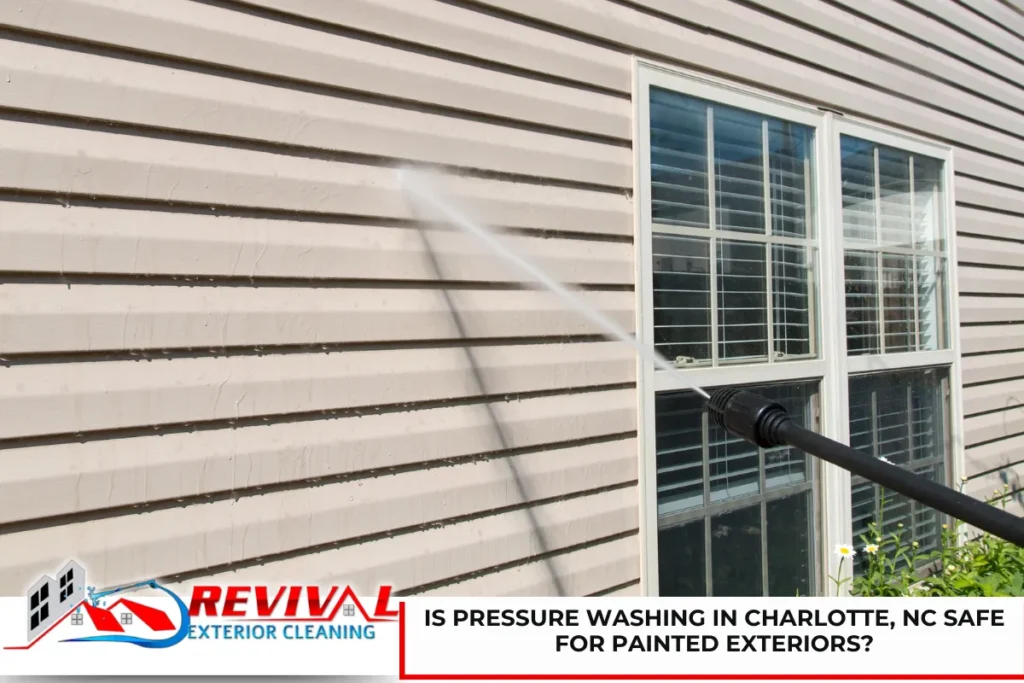
Pressure Washing in Charlotte, NC is safe for painted exteriors—but only when it’s done correctly. Many homeowners worry that using a pressure washer will strip paint, gouge siding, or leave permanent streaks. That concern is valid. Too much force, the wrong nozzle, or poor technique can absolutely cause damage. Charlotte’s humid climate adds another layer of complexity, allowing mold, algae, and mildew to cling tightly to painted surfaces.
The solution isn’t avoiding exterior cleaning altogether. It’s understanding the difference between high-pressure blasting and controlled, professional pressure cleaning. When proper PSI levels, soft washing methods, and surface-appropriate detergents are used, pressure wash services can safely restore painted siding without harm. The key is technique, equipment, and local knowledge.
Why Painted Exteriors in Charlotte Need Regular Cleaning
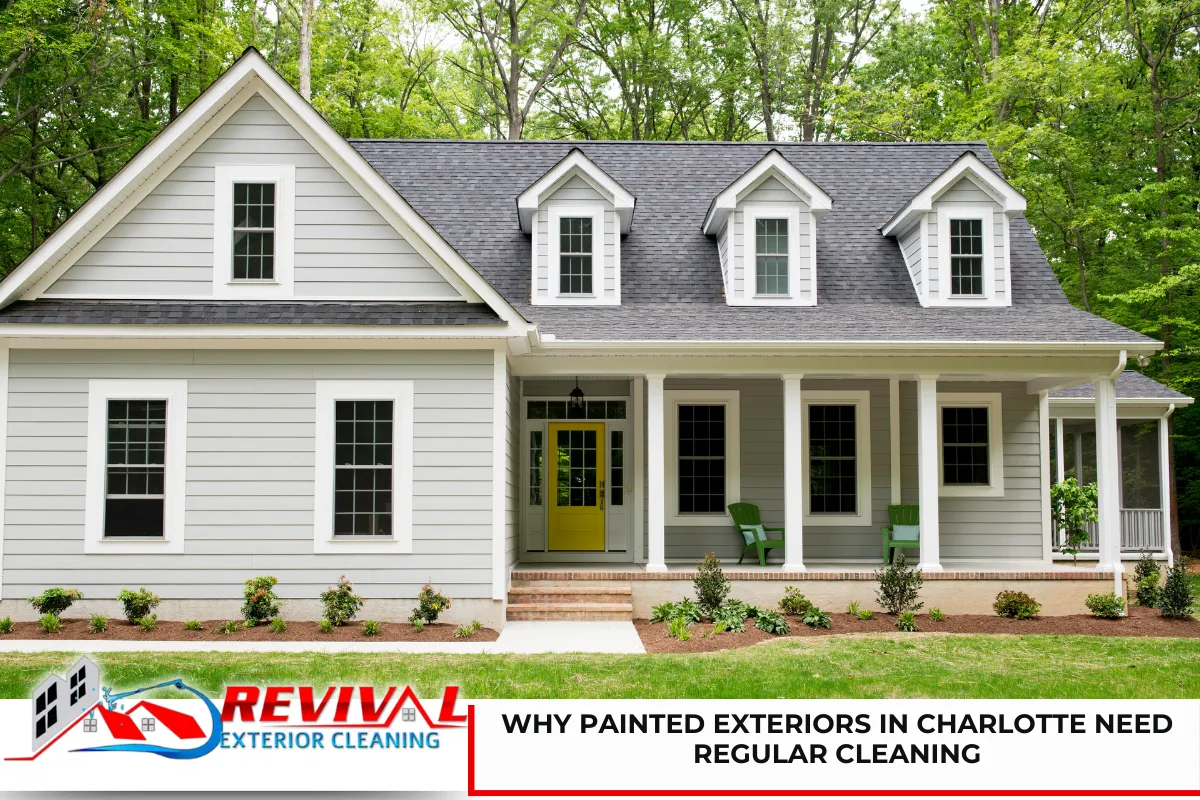
Charlotte’s climate plays a major role in how painted surfaces age. With hot summers, steady rainfall, and high humidity, exterior paint is constantly exposed to moisture and airborne contaminants.
Common issues affecting painted siding include:
- Green algae and mildew growth
- Pollen buildup during spring
- Red clay dust staining
- Dirt and road grime
- Oxidation on older paint
When left untreated, these contaminants don’t just affect appearance. Mold and algae can retain moisture against the paint, potentially shortening its lifespan. Regular pressure washing removes these harmful elements before they break down protective coatings.
How Humidity Impacts Paint Longevity
Moisture trapped against siding encourages mildew growth. In shaded areas, especially on the north side of homes, organic growth spreads quickly. Over time, this can cause:
- Discoloration
- Peeling edges
- Fading
- Surface chalking
Routine exterior pressure cleaning helps prevent these issues while maintaining curb appeal.
When Pressure Washing Becomes Unsafe for Painted Surfaces
The risk comes from misuse, not the process itself.
A pressure washer can produce anywhere from 1,300 to 4,000 PSI. Painted siding typically requires much lower pressure. Using excessive force can:
- Strip paint prematurely
- Force water behind siding panels
- Cause wood rot
- Etch softer materials
- Leave visible streak lines
Common Mistakes That Cause Paint Damage
- Using a zero-degree red tip nozzle
- Spraying too close to the surface
- Washing upward beneath siding seams
- Cleaning old or already peeling paint
- Ignoring manufacturer recommendations
Professional power washing companies adjust pressure levels depending on whether the surface is vinyl, wood, brick, fiber cement, or stucco.
Soft Washing vs. High-Pressure Washing for Painted Homes
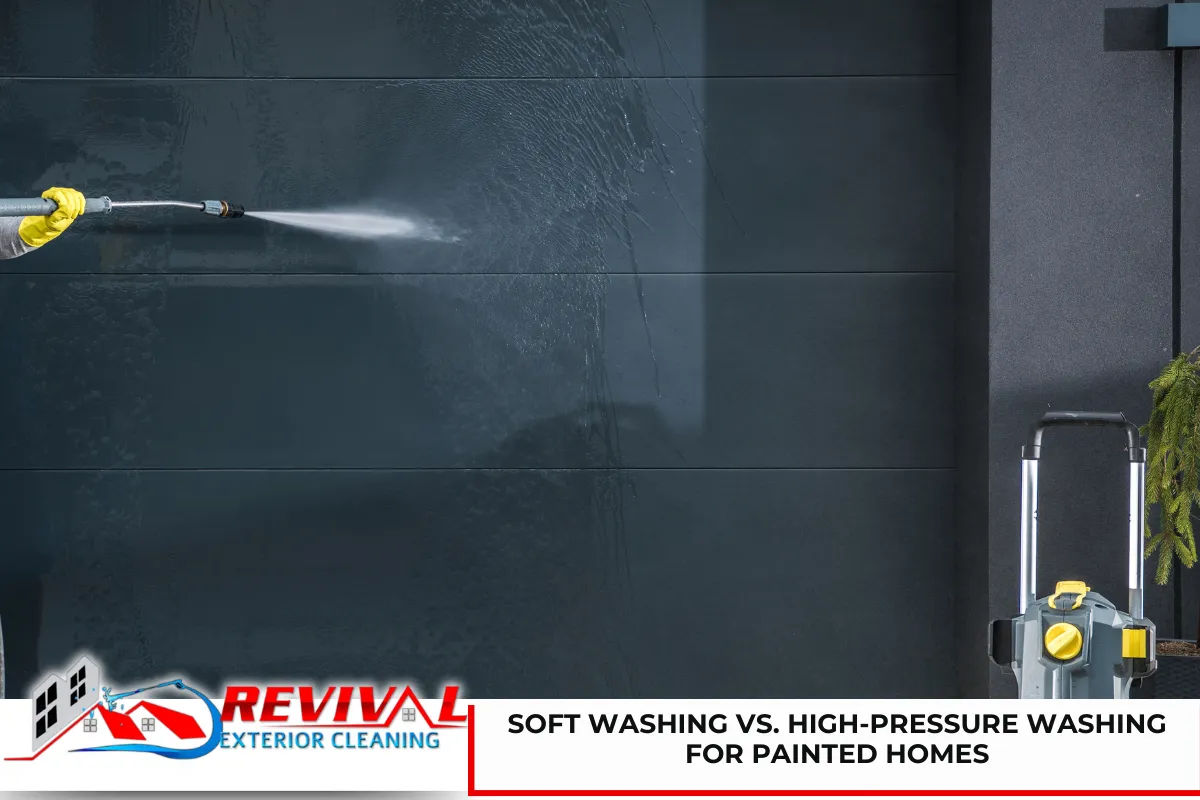
Not all pressure cleaning is high pressure. In fact, most residential painted surfaces are cleaned using a method called soft washing.
What Is Soft Washing?
Soft washing uses low-pressure water combined with biodegradable cleaning solutions to break down organic growth. The water pressure is often similar to a garden hose, but the cleaning agents do the heavy lifting.
Soft washing is recommended for:
- Painted wood siding
- Fiber cement siding
- Stucco
- Older painted brick
- Trim and fascia
This method reduces the risk of paint stripping while still delivering a thorough clean.
When Moderate Pressure Is Acceptable
In some cases, controlled pressure washing may be used on:
- Newer, well-bonded paint
- Durable vinyl siding
- Concrete or masonry foundations
The operator must adjust PSI levels carefully and maintain proper spray angles.
Understanding PSI: How Much Is Too Much?
PSI (pounds per square inch) determines the force of water coming from a pressure washer.
General guidelines for painted exteriors:
- Vinyl siding: 1,300–1,600 PSI
- Wood siding: 1,200–1,500 PSI
- Painted brick: 500–1,500 PSI (depending on condition)
- Stucco: Under 1,500 PSI
Anything above 2,000 PSI on painted siding increases the risk of damage. Professional pressure wash technicians use adjustable machines and test small areas before cleaning entire sections.
Charlotte Regulations and Environmental Considerations
Pressure washing in Charlotte must follow environmental guidelines set by local and state authorities. Wastewater runoff is regulated under North Carolina’s stormwater management rules.
According to the North Carolina Department of Environmental Quality (NCDEQ):
- Wash water containing chemicals cannot enter storm drains untreated.
- Contractors must prevent polluted runoff from reaching waterways.
- Some commercial projects require wastewater recovery systems.
For homeowners, this means hiring a pressure cleaning provider who understands proper containment and responsible chemical use. Biodegradable detergents and careful rinsing practices protect both your property and local water systems.
Improper discharge into storm drains can lead to fines, particularly for commercial properties. Professionals are trained to comply with these regulations.
Read Can Pressure Washing in Charlotte, NC Eliminate Algae Growth on Siding?
Surface Types and How They React to Pressure Washing
Vinyl Siding
Vinyl is durable but can crack if sprayed too closely. Proper technique involves spraying at a downward angle and maintaining distance.
Wood Siding
Wood is more delicate. Excessive pressure can cause splintering or raised grain. Soft washing is usually preferred.
Fiber Cement
Often marketed under well-known brands, fiber cement holds paint well but can be damaged by aggressive washing.
Brick and Masonry
Painted brick requires lower pressure than bare brick. High force can loosen mortar joints.
Stucco
Stucco can crack if water penetrates small surface fractures. Low pressure and wide spray tips are recommended.
Signs Your Painted Exterior Is Safe to Wash
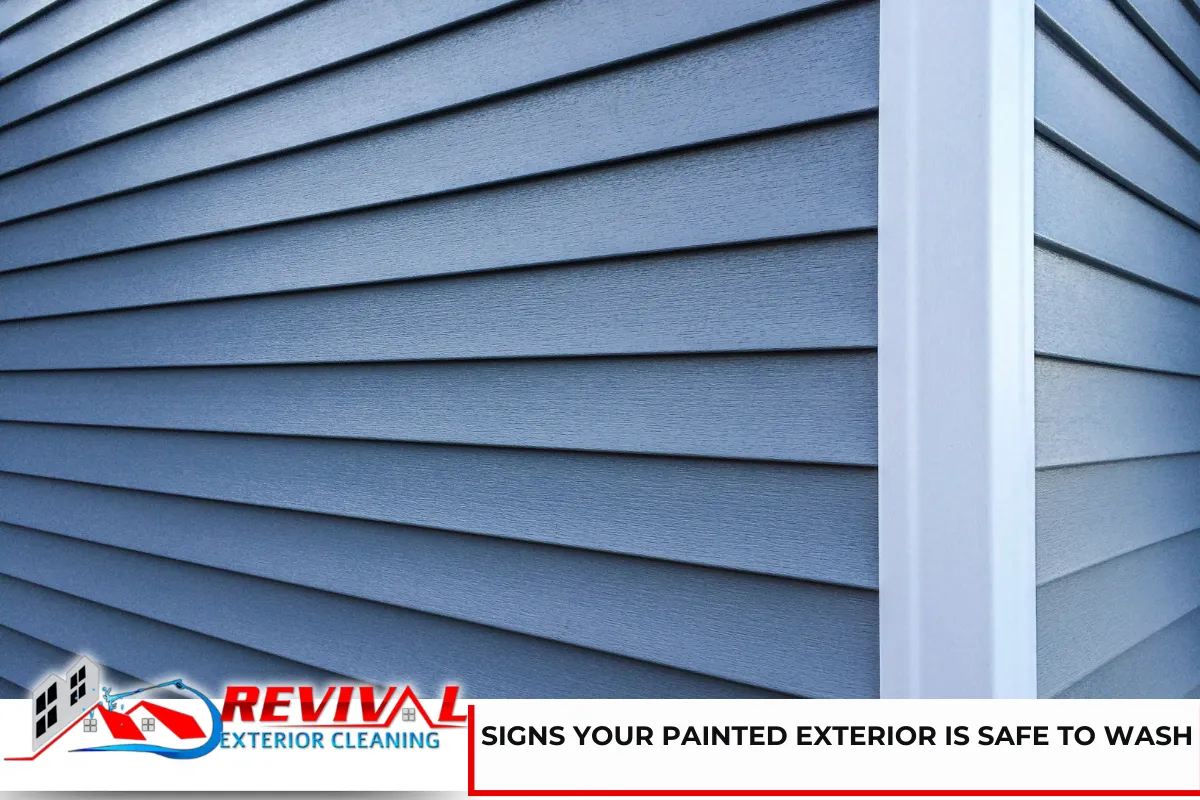
Before scheduling pressure cleaning, inspect for:
- Peeling or flaking paint
- Cracked caulking
- Rotting wood
- Loose siding panels
If paint is already failing, pressure washing may worsen the issue. In those cases, light cleaning followed by repainting may be more appropriate.
Benefits of Professional Pressure Cleaning for Painted Homes
When done correctly, pressure wash services offer several advantages:
- Extends paint life
- Prevents mold growth
- Improves curb appeal
- Prepares surfaces for repainting
- Maintains property value
Homeowners often notice their paint looks brighter after cleaning, even without repainting.
DIY vs. Hiring a Professional in Charlotte
Renting a pressure washer may seem cost-effective. However, improper use is one of the most common causes of exterior paint damage.
DIY risks include:
- Using incorrect nozzle tips
- Overlapping spray marks
- Driving water behind siding
- Uneven cleaning patterns
Professionals understand:
- Correct PSI calibration
- Chemical dwell times
- Surface-specific cleaning techniques
- Safe ladder usage
- Stormwater compliance
The cost of repairing damaged paint often exceeds the cost of hiring experienced technicians.
How Often Should Painted Homes Be Pressure Washed?
For Charlotte homes, most experts recommend exterior cleaning every 12–24 months.
Factors that influence frequency:
- Tree coverage
- Shaded areas
- Proximity to traffic
- Local pollen levels
- Recent storms
Homes surrounded by heavy vegetation may require annual cleaning to prevent algae buildup.
The Right Time of Year for Exterior Cleaning
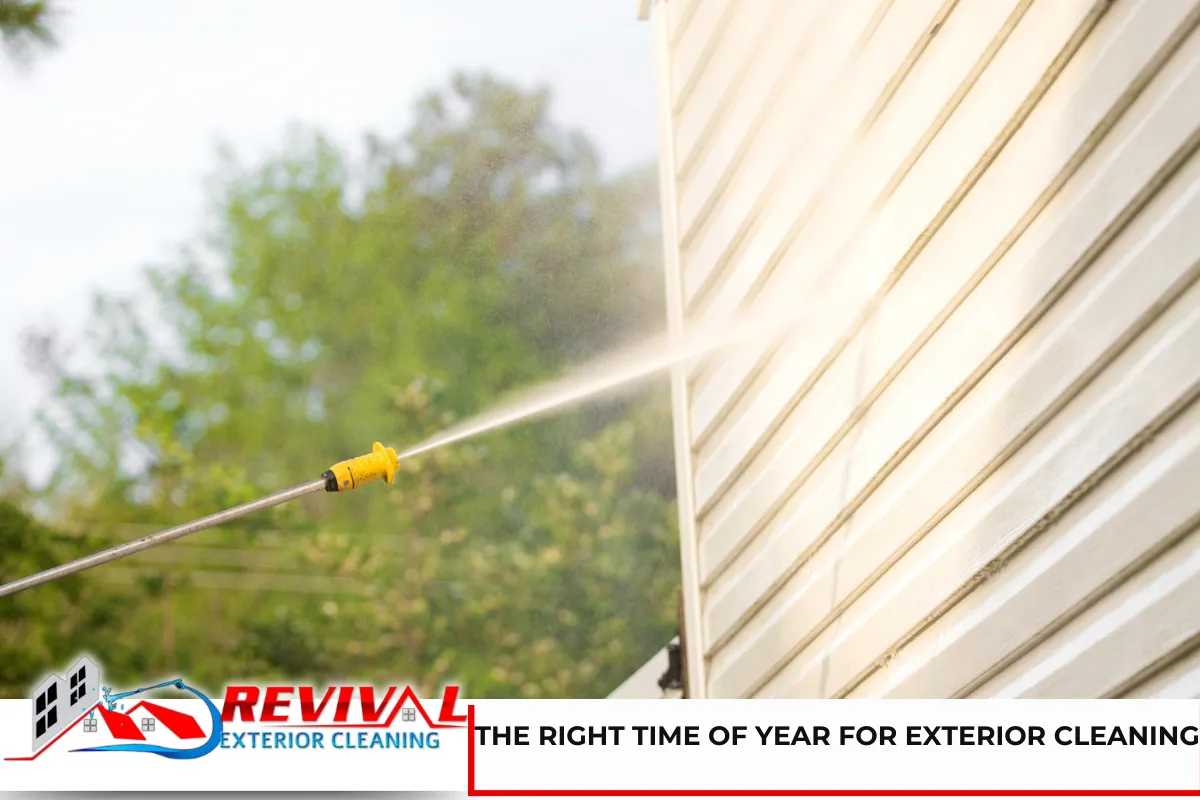
Spring and fall are ideal seasons for pressure washing in Charlotte.
Spring removes pollen and winter grime.
Fall clears summer algae growth before cooler weather sets in.
Avoid freezing temperatures, as water trapped in siding can expand and cause cracking.
Safety Measures Professionals Use to Protect Paint
Reputable power washing companies:
- Pre-test small sections
- Adjust PSI settings per surface
- Use wide-angle nozzles
- Maintain safe spray distance
- Protect landscaping
- Cover electrical outlets
- Avoid upward spraying beneath siding
These steps significantly reduce risk.
Cost Considerations for Painted Exterior Cleaning
Pricing varies depending on:
- Home size
- Surface material
- Accessibility
- Level of buildup
- Additional services like driveway cleaning
In Charlotte, residential exterior pressure wash services typically range from a few hundred dollars upward, depending on property size.
Cheaper quotes may indicate rushed service or improper technique. Quality and experience matter more than the lowest price.
Does Pressure Washing Void Paint Warranties?
Some paint manufacturers recommend gentle washing methods. Using extreme pressure could void certain warranties.
Homeowners should:
- Review paint warranty documents
- Avoid aggressive blasting
- Keep records of professional cleaning
Soft washing methods are generally compatible with most exterior paint warranties.
Final Thoughts: Safe When Done Right
Pressure washing painted exteriors in Charlotte is not inherently dangerous. The real issue lies in how it’s performed. When correct pressure levels, proper detergents, and surface-specific techniques are used, painted siding can be cleaned safely and effectively.
Avoid high-pressure shortcuts. Choose knowledgeable professionals who understand Charlotte’s climate, environmental regulations, and exterior materials. Done right, pressure cleaning enhances your home’s appearance while protecting your investment for years to come.
Pressure Washing in Charlotte, NC – Revival Exterior Cleaning & Pressure Washing
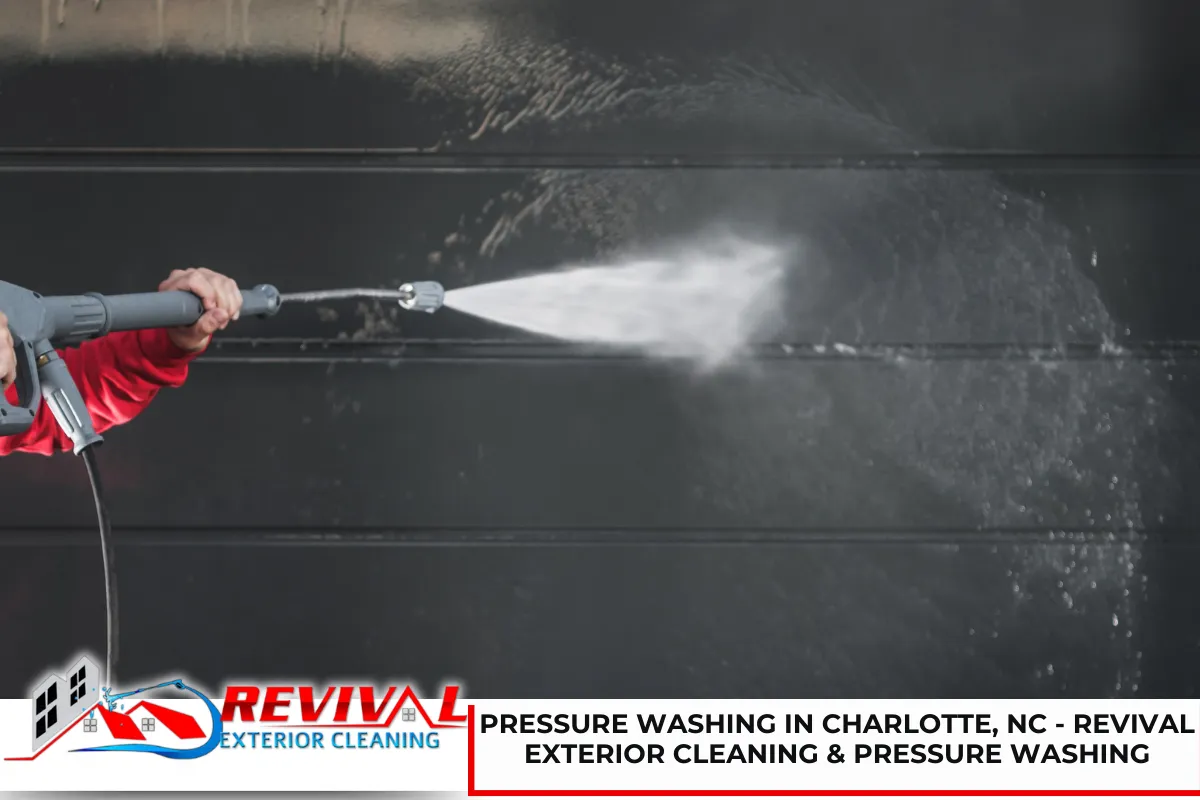
At Revival Exterior Cleaning & Pressure Washing, we specialize in safe, professional pressure washing for painted homes throughout Charlotte, North Carolina and the surrounding areas. We understand how local humidity and algae growth affect exterior paint, and we adjust our pressure cleaning methods accordingly.
Our team uses controlled PSI settings and soft washing techniques to protect your siding while delivering a deep, thorough clean. Whether you need routine maintenance or preparation before repainting, we have the equipment and experience to do it right.
We take pride in following all North Carolina environmental guidelines to ensure responsible water use and runoff control. When you choose us, you’re choosing careful workmanship and long-lasting results.
Call us today at (980) 264-2359 or fill out our contact form to schedule your pressure wash service and restore your home’s curb appeal safely.
Frequently Asked Questions
1. Can pressure washing remove oxidation from painted siding?
Yes, pressure washing can reduce oxidation, but it must be done carefully. Oxidation appears as a chalky residue on older paint, especially on aluminum or vinyl siding. Aggressive cleaning can worsen the problem by removing protective layers. A low-pressure wash combined with specialized cleaning solutions is typically recommended. In severe cases, oxidation may require additional treatment beyond a standard pressure clean. Testing a small area first helps determine the safest approach.
2. Will pressure washing help prepare my home for repainting?
Absolutely. Exterior cleaning is one of the most important steps before repainting. Removing dirt, mildew, and loose debris allows new paint to adhere properly. However, peeling paint should be scraped separately. Pressure washing alone will not fix failing coatings. For best results, allow surfaces to fully dry—usually 24 to 48 hours—before applying primer or paint.
3. Is power washing safe for older historic homes in Charlotte?
Historic homes require special care. Older wood siding and aged paint layers are more delicate. In these cases, soft washing is usually safer than traditional high-pressure methods. It’s also important to check for lead-based paint if the home was built before 1978. Federal guidelines regulate disturbance of lead paint, so professional assessment is recommended before cleaning.
4. How long does a typical residential pressure wash take?
Most single-family homes in Charlotte can be cleaned within two to four hours, depending on size and buildup. Larger homes or properties with heavy algae growth may take longer. Drying time varies based on weather conditions, humidity, and shade coverage.
5. Can pressure washing increase home value?
While it doesn’t directly increase square footage, exterior cleaning improves curb appeal significantly. A well-maintained exterior creates a strong first impression for buyers. Real estate professionals often recommend pressure washing before listing a property. Clean siding signals proper maintenance, which can positively influence buyer perception.
Disclaimer: This article is for informational purposes only and does not constitute professional advice. Cleaning methods should be evaluated based on specific property conditions. Always consult a qualified professional before performing exterior pressure washing.
Read Window Cleaning in Charlotte, NC: What Factors Affect the Price of Soft Washing Windows?