Can Pressure Washing Really Erase Nail Rust on Your Charlotte Deck?
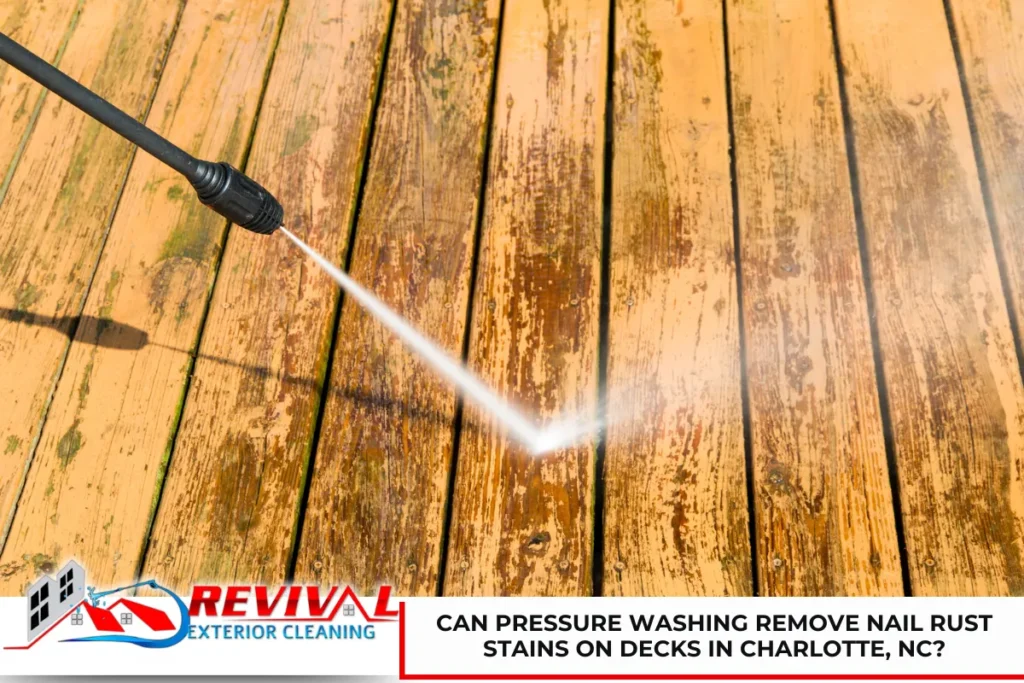
Pressure washing is considered one of the most effective methods for removing tough stains, including rust, from various surfaces such as decks and driveways. However, those stubborn orange-brown halos around nail heads on your Charlotte deck tell a different story. After every rainy spell and humid summer week, those iron oxide stains seem to spread, making your solidly built deck look neglected and worn. The rust shows through fresh sealer, kills curb appeal, and frustrates homeowners who have tried everything.
The solution involves more than just blasting water at the problem. A strategic combination of power washing, specialized rust-removal cleaners, and correct techniques protects your wood while actually removing the stains. This guide covers Charlotte-specific advice on safe PSI levels, DIY versus hiring a professional, and proven methods to prevent rust from returning.
Key Takeaways
- Pressure washing can fade light surface nail rust stains but usually requires specialized rust removers and proper technique to fully eliminate deep-set discoloration on decks.
- Charlotte’s high humidity, frequent storms, and warm temperatures accelerate rust formation and organic buildup on both wood and composite deck surfaces.
- Incorrect pressure washer use can damage deck boards by raising grain, causing splintering, or driving rust pigments deeper into porous materials.
- The most effective approach combines rust-removing chemicals (like oxalic acid), soft washing methods, and low-to-moderate pressure for thorough stain removal.
- Homeowners must follow Charlotte and North Carolina environmental regulations regarding chemical runoff and stormwater drainage when cleaning outdoor surfaces.
Why Nail Rust Stains Form on Decks in Charlotte, NC
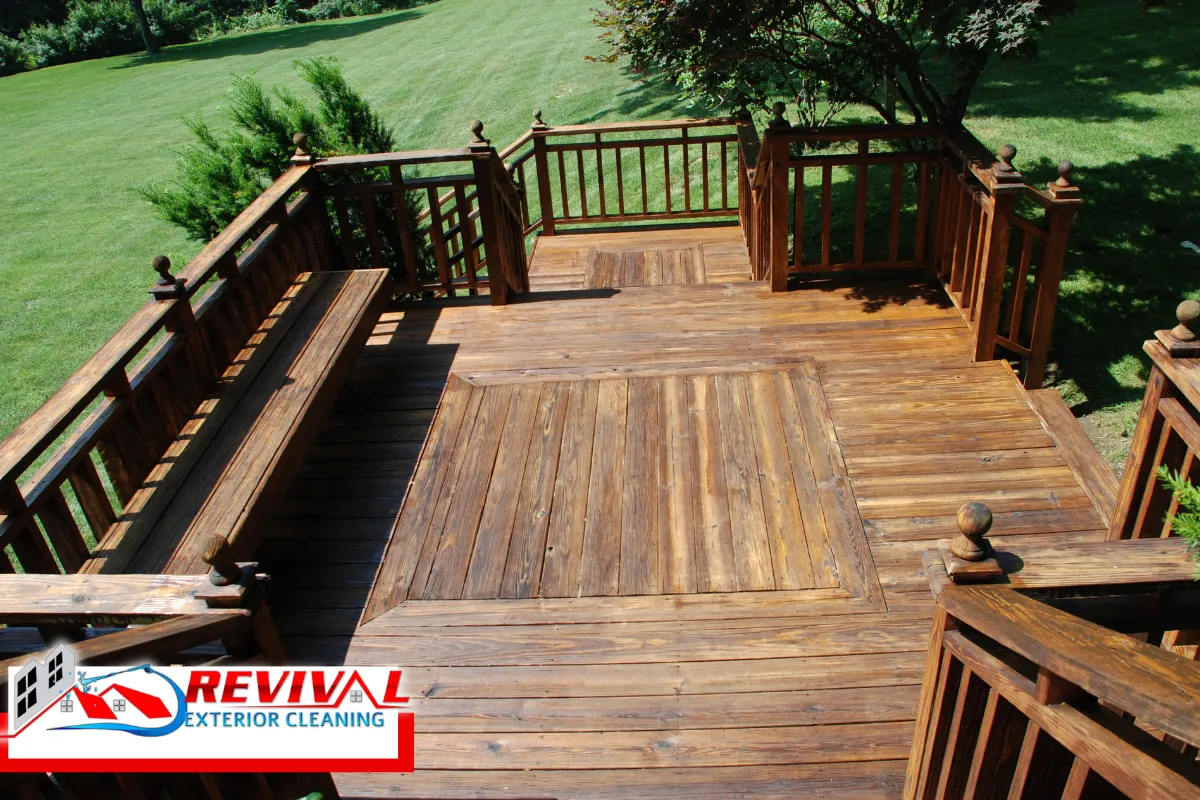
Rust is iron oxide that forms when steel or iron fasteners oxidize in the presence of moisture and oxygen. Once this chemical reaction begins, it releases soluble iron ions that migrate into porous deck materials like pine, cedar, or pressure-treated lumber. These pigments bind tightly to wood fibers, creating those characteristic orange shadows that penetrate up to one-eighth of an inch into softwoods within two to five years of exposure.
Common deck fasteners include standard steel nails, coated nails, deck screws, and hidden fastener systems. Cheap or uncoated metal is most likely to rust, while older Charlotte homes built before the 2000s often contain plain carbon steel or poorly galvanized hardware.
Charlotte’s climate creates perfect conditions for accelerated corrosion:
- Average annual rainfall of 43 inches
- Relative humidity frequently exceeding 70 percent year-round
- Approximately 50 thunderstorms annually creating wet-dry cycles
- Warm average temperatures around 62 degrees Fahrenheit promoting electrolytic reactions
High humidity and mineral-heavy irrigation water can exacerbate rust stains significantly. Contributing factors include trapped moisture under deck furniture, clogged gaps between boards, failing stain or sealer, and standing water near the house foundation.
Can Pressure Washing Alone Remove Nail Rust Stains?
Pressure washing alone is generally ineffective at removing deep nail rust stains from wooden decks. While a pressure washer removes surface contaminants like loose rust particles, dirt, mildew, and algae, it cannot dissolve iron oxide that has soaked into wood fibers. The high-pressure water used in pressure washing typically ranges from 1,500 to 3,500 PSI, which is effective for blasting away dirt, grime, and stains that regular cleaning methods cannot remove—but rust requires chemical intervention.
Results vary by material. Composite and PVC decking show better response to pressure cleaning alone, with approximately 70 percent efficacy on surface-level rust. Older, unsealed wood boards may see only 30 percent improvement without chemical assistance.
Cranking up PSI to chase stubborn rust is risky. High-pressure washing can cause damage to wood fibers if not handled properly. Studies indicate wood grain raising occurs above 2,000 PSI, with splintering risk increasing above 3,000 PSI. Some manufacturer warranties, including those from major composite decking brands, become void if pressure exceeds certain thresholds.
Using lower pressure with appropriate cleaning agents protects the wood’s integrity while removing stains. The best practice combines moderate-pressure cleaning with specialty rust removers or oxalic-acid-based cleaners for deeper stains.
Choosing the Right Cleaning Method for Rust-Stained Decks
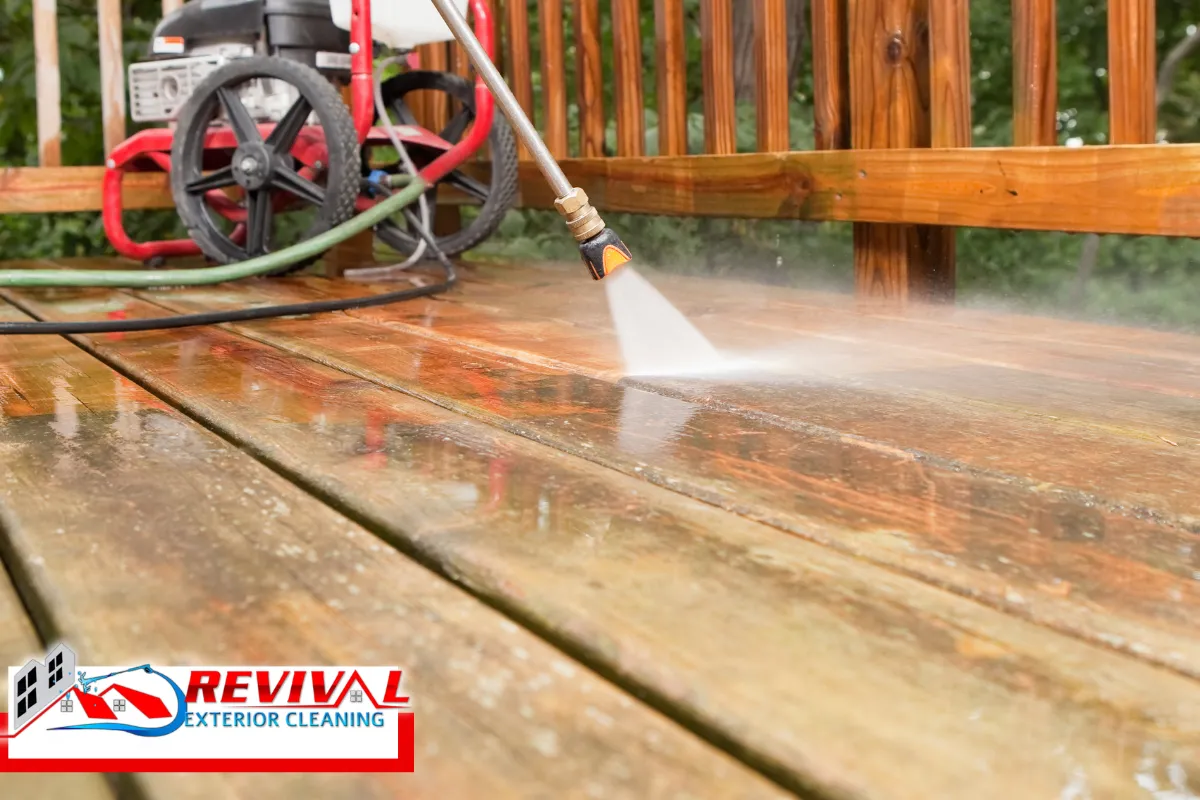
Three primary approaches exist for treating rust-stained decks: high-pressure washing, soft washing with cleaners, and targeted hand scrubbing.
Pressure washing typically uses a high PSI ranging from 1,500 to 3,500 to effectively clean tough surfaces like concrete and brick. This method works well for sturdy wood with heavy grime but risks damage on aged or cracked decks.
Soft washing employs a lower PSI and utilizes biodegradable cleaning solutions to safely remove organic materials from delicate surfaces such as vinyl siding and roofs. Soft washing is a method used in pressure washing that employs low pressure and biodegradable cleansers to safely remove organic materials from delicate surfaces. This approach achieves approximately 85 percent efficacy on light rust when paired with oxidizers.
The choice between pressure washing and soft washing depends on the surface being cleaned. Consider these factors when selecting your method:
- Deck age: Older decks with weathered boards benefit from soft washing to prevent further deterioration
- Material type: Wood requires gentler treatment than composite; composite tolerates 1,500-2,200 PSI if manufacturer approved
- Rust severity: Light surface stains respond to pressure alone; deep penetration requires chemical treatment
- Presence of mold or algae: Soft wash kills 99 percent of mildew spores while remaining gentle on surfaces
- Existing finishes: Pressure washing services can strip sealers; soft washing preserves protective coatings
For historic or delicate decks in the Charlotte area, consulting a pressure washing company that understands local materials and weathering patterns is strongly advised.
Safe Pressure Washing Practices for Decks in Charlotte
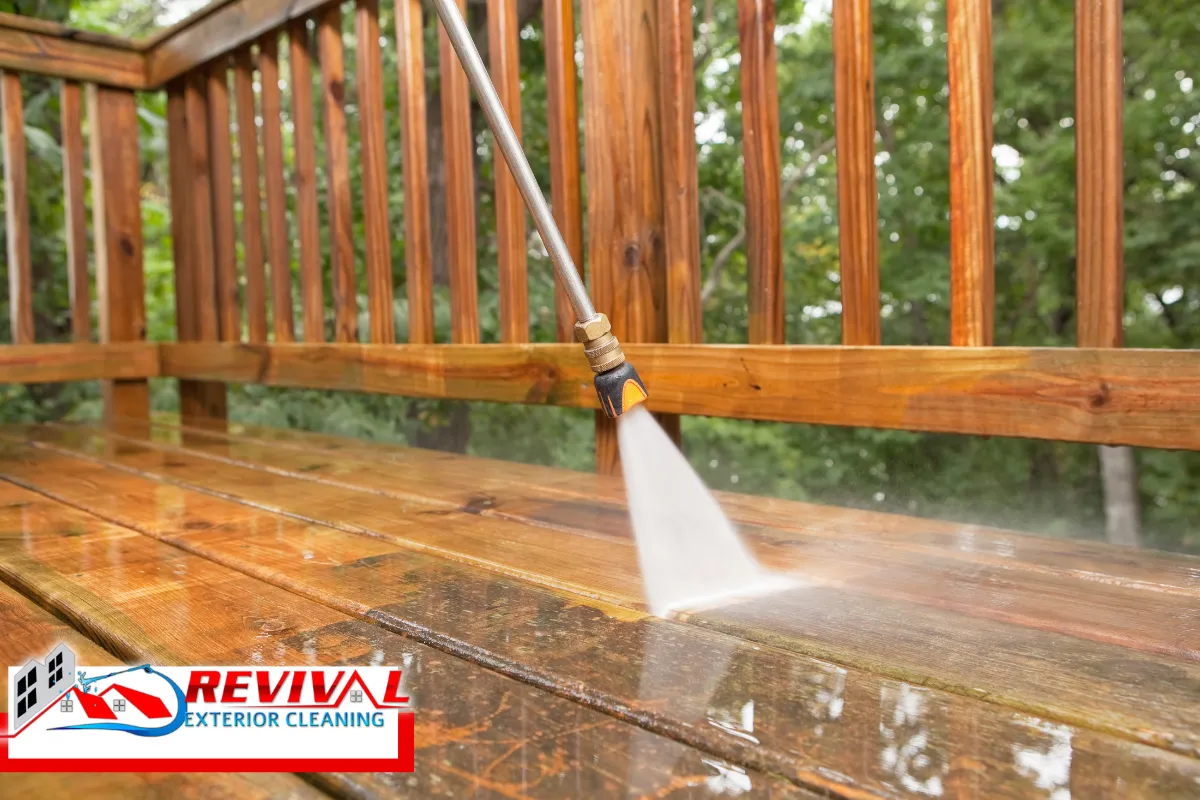
Decks are far more vulnerable to pressure washing damage than concrete driveways or brick surfaces. Wood and composite materials require careful technique to avoid permanent scarring, fuzzing, or void warranties.
Safe starting ranges for deck cleaning:
| Surface Type | Recommended PSI | Notes |
| Softwood (pine, cedar) | 500-1,200 | Stay at lower end for aged wood |
| Pressure-treated lumber | 800-1,500 | Test inconspicuous area first |
| Composite decking | 1,200-1,800 | Check manufacturer specifications |
| Hardwood (ipe, mahogany) | 1,000-1,500 | More resistant but still requires care |
Use a wide fan nozzle between 25 and 40 degrees, keeping the wand 12 to 18 inches from the surface. Always follow the grain direction of the boards to minimize visible marks. Test a small inconspicuous area first and check for raised grain, fuzzing, or etching before continuing across the entire deck.
Rust Removers and Cleaners that Work with Pressure Washing
Professional rust stain removal typically requires specialized acidic cleaning solutions to break down the iron oxide. Chemical rust removal plus controlled power washing services deliver the most effective results for nail bleed stains.
Oxalic acid is considered the gold standard for removing rust and mineral stains from wood. At 5-10 percent concentration, oxalic acid removes 80-95 percent of embedded iron stains when allowed to dwell for 15-30 minutes before low-pressure rinsing. Commercial rust removers are often used by professionals to neutralize rust stains effectively.
Common active ingredients in deck-safe rust removers include:
- Oxalic acid (most effective for deep penetration)
- Citric acid (gentler alternative, pH 3-5)
- Phosphoric acid (works on both wood and metal)
- Specialized chelating agents (convert insoluble rust to water-soluble compounds)
A mixture of white vinegar and water can work for lighter or newer stains on wood, though results vary compared to commercial products.
General application steps:
- Wet the deck surface thoroughly
- Apply cleaner to stained areas using a pump sprayer
- Allow dwell time per label instructions (typically 15-30 minutes)
- Lightly agitate stubborn spots with a soft brush
- Rinse with pressure washer on low to moderate pressure
Choose cleaners labeled as safe for pressure wash use and compatible with your deck material and any existing stain or sealer. Wear gloves and eye protection, prevent overspray onto landscaping, and follow product instructions in line with local environmental guidelines.
Read Does Pressure Washing Improve Deck Lifespan in Charlotte, NC?
Step-by-Step Process to Treat Nail Rust Stains on Your Deck
Follow this workflow for effective rust stain treatment:
- Inspect deck condition: Identify rust patterns around fasteners. Note loose boards, popped nails, or rotten spots requiring repair before cleaning. Check for deep penetration that may need additional treatment.
- Prepare the area: Move all furniture and accessories off the deck. Cover nearby plants with plastic sheeting. Sweep leaves and debris from between boards and around railings.
- Set up containment: Position berms or barriers if necessary to prevent runoff into storm drains or garden beds per Charlotte stormwater regulations.
- Initial gentle pressure clean: Remove dirt, mildew, mold, and loose rust using appropriate PSI (500-1,200 for wood) and a 25-40 degree fan nozzle. Work in sections following the grain.
- Apply rust remover: Spray specialized rust remover on remaining stains. Allow proper dwell time according to product directions.
- Agitate if needed: Use a soft-bristle brush on stubborn areas without gouging wood fibers.
- Final rinse: Thoroughly rinse with the pressure washer, watching for runoff control and ensuring no chemical residue remains.
- Allow drying: Let deck dry completely—typically 24-72 hours in Charlotte’s humidity—before applying any stain or sealer.
When Pressure Washing Is Not Enough to Fix Rust on Decks
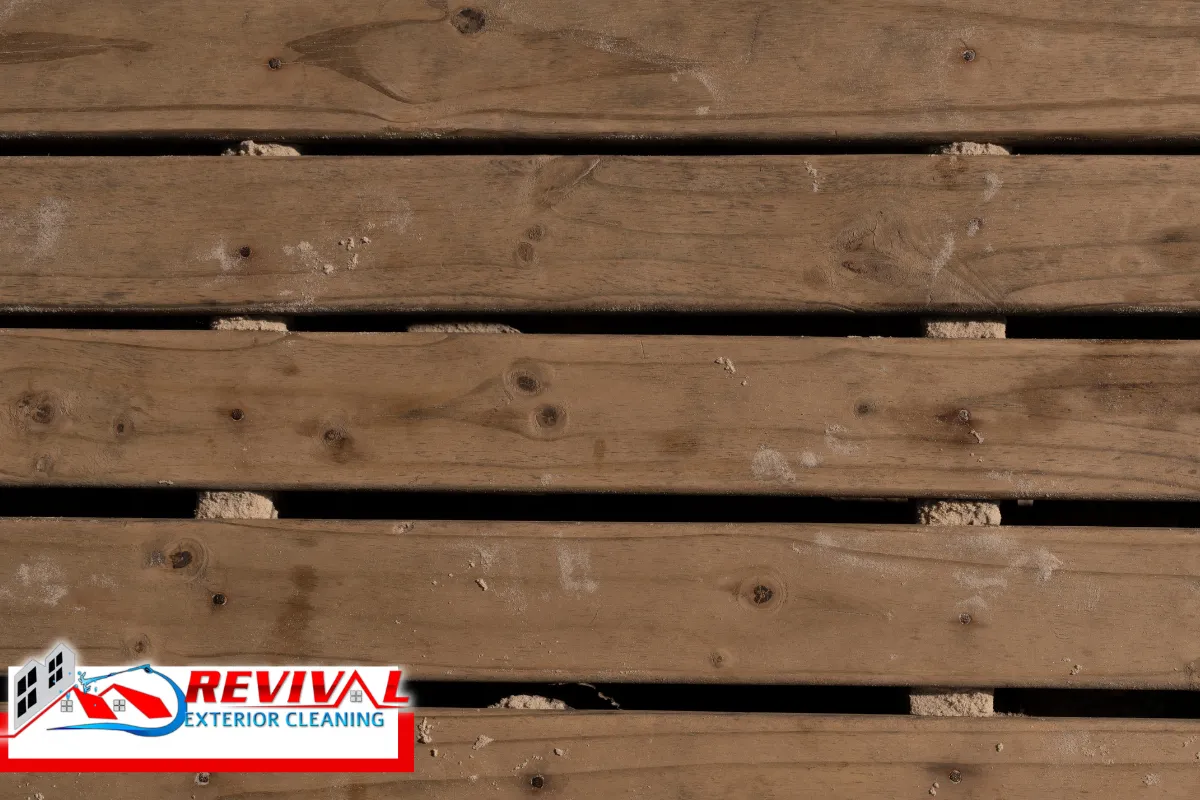
Some deep nail bleed stains in older boards may remain faintly visible even after best-practice cleaning methods and chemical treatment. When cleaning alone cannot restore the surface, additional options include:
- Light sanding of individual boards (removes approximately 1/32 inch per pass)
- Replacing badly stained or cracked planks
- Flipping reversible boards when structurally possible
- Applying a high-quality stain or solid-color coating formulated to mask discoloration
Persistent rust typically indicates ongoing hardware problems. Replacing rusty nails with stainless steel fasteners can prevent rust from recurring. Stainless steel 316 screws reduce corrosion by 95 percent compared to standard galvanized fasteners.
For best results, it is recommended to hire a professional to avoid damaging deck wood while treating the rust. Homeowners considering structural changes or extensive resurfacing should consult a licensed contractor familiar with Charlotte climate and building practices.
Preventing Future Nail Rust Stains on Charlotte Decks
Prevention costs less than repeatedly stripping stubborn rust stains. Implement these strategies to protect your investment:
Upgrade fasteners: When repairing or building decks, use stainless steel, hot-dipped galvanized (ASTM A153 specification), or approved deck screws. The difference in cost between stainless at approximately $0.20 each versus standard steel at $0.05 is minimal compared to future restoration expenses.
Apply protective finishes: Use a penetrating, UV-resistant deck sealer or stain every two to three years. Quality penetrating sealers block 50-70 percent of moisture ingress, significantly slowing rust transfer.
Maintain routine cleaning: In Charlotte, it is recommended to have professional pressure washing services performed every 1 to 2 years for residential properties to maintain cleanliness and prevent mold and mildew growth. Light soft wash cleaning once or twice annually extends deck life 5-10 years.
Address Charlotte’s seasonal challenges: Pollen seasons from March through May trap moisture and accelerate issues by 30 percent on shaded decks. Promptly remove wet leaves and clear gaps for drainage after storms.
DIY vs. Professional Deck Pressure Cleaning in Charlotte
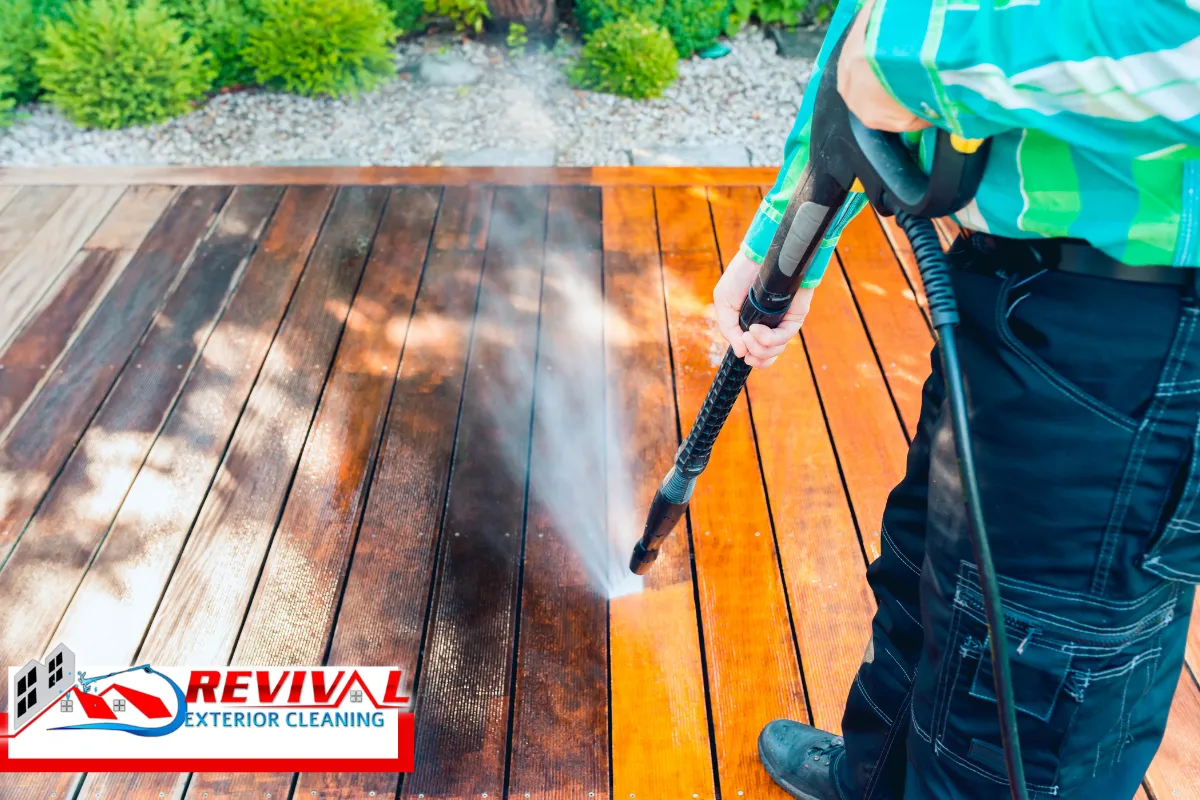
Pressure washing services can effectively clean a variety of exterior surfaces, including driveways, sidewalks, decks, and building exteriors. Deciding between DIY and hiring pressure washing professionals depends on your deck’s condition and your comfort level with equipment.
Tasks suitable for DIY:
- Gentle rinsing with homeowner-grade equipment
- Basic deck wash with mild detergents
- Applying mild rust removers according to label directions
- Small deck areas under 300 square feet
Scenarios better suited to professionals:
- Large multi-level decks requiring commercial pressure washing services
- Severe rust staining requiring specialized cleaning methods
- Fragile or historic wood needing expert assessment
- Decks close to pools, water features, or sensitive landscaping
Pricing for pressure washing and soft washing in Charlotte varies based on the size of the area being cleaned, the type of surface, and the level of buildup. As a general guide, driveway cleaning runs $120–$200, house soft wash starts around $200–$400 for an average home, and roof soft washing typically starts at $200. Full exterior packages that include the house, driveway, and walkways are often the most cost-effective option for pressure washing services.
Pressure washing can significantly improve the appearance of exterior surfaces, making them look new again by effectively removing built-up dirt, mold, and mildew. Professionals bring commercial equipment, specialized nozzles, and local knowledge of Charlotte weather and environmental practices. Many Charlotte homes benefit from a hybrid approach: DIY light maintenance between periodic professional deep cleaning for optimal long-term results.
Get Your Decks Pressure Washed Today!
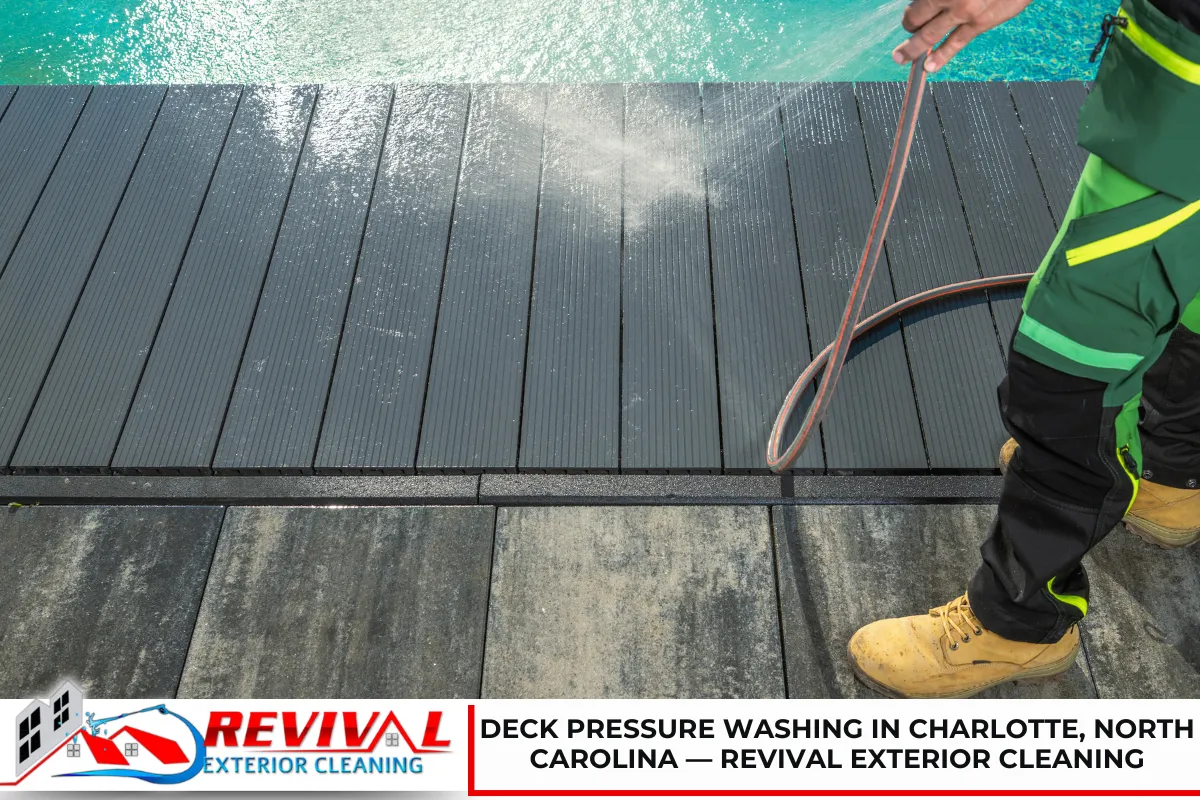
At Revival Exterior Cleaning & Pressure Washing, we understand the unique challenges Charlotte decks face with nail rust stains, humidity, and seasonal buildup. Our team provides tailored pressure washing for decks, driveways, siding, and other surfaces throughout Charlotte, North Carolina and prominent surrounding areas including Mint Hill.
We take pride in using the right blend of soft washing services, controlled pressure, and rust-targeting cleaners to protect your property while delivering results. Our pressure washing professionals know exactly how to treat stubborn stains without damaging your wood or voiding manufacturer warranties.
As a fully licensed and insured pressure washing company, we prioritize safety, efficient service, and customer satisfaction. We offer free estimates to help Charlotte residents understand their options without obligation.
Ready to restore your deck’s appearance? Contact us today by calling (980) 264-2359 or fill out our online contact form. Let Revival Exterior Cleaning & Pressure Washing show you the difference professional exterior cleaning makes for your home’s exterior and curb appeal.
Frequently Asked Questions
How often should I pressure clean a deck in Charlotte to keep rust away?
Most Charlotte homeowners benefit from scheduling a full deck wash once per year, with spot cleaning as needed throughout the seasons. Decks in heavy shade or under tree cover may require an additional cleaning due to increased moisture retention and organic debris accumulation. Routine pressure cleaning prevents moisture-holding grime that accelerates corrosion around nails and screws.
However, over-washing with excessive pressure wears finishes prematurely, so balanced maintenance matters. During each cleaning, inspect hardware for signs of corrosion and replace heavily rusted fasteners promptly. Charlotte’s storm patterns, pollen seasons running March through May, and hot humid summers often justify both a spring cleaning and a quick late-summer rinse on frequently used decks. Establishing a consistent schedule protects your investment long-term.
Will pressure washing make nail rust stains worse if done incorrectly?
Improper pressure washing can indeed worsen rust problems. Using too narrow a nozzle tip or standing too close roughens wood fibers, creating a texture where rust pigments embed more deeply next time moisture contacts the surface. High-pressure blasting can also spread fine rust particles across the deck, creating faint streaks if not rinsed thoroughly.
Avoid directing concentrated water streams directly at nail heads or screws. Instead, clean with a wider fan pattern from moderate distance—12 to 18 inches minimum. Always pair power washing with appropriate rust-neutralizing cleaners so loosened rust particles are chemically treated before rinsing away. Homeowners uncertain of their technique should schedule at least one professional cleaning to establish a safe baseline and learn proper methods for future DIY maintenance sessions.
How long should I wait after pressure washing before staining a rust-treated deck?
Wood must dry completely after both cleaning and rust-remover application before applying stain or sealer. General guidelines suggest waiting 24 to 72 hours depending on board thickness, sun exposure, shade coverage, and Charlotte’s typical humidity levels. Rushing this step traps moisture beneath finishes, causing peeling, bubbling, and premature failure.
Perform a simple moisture test by taping a piece of clear plastic to the deck surface for 24 hours. If condensation forms underneath, the wood needs additional drying time. Always follow specific manufacturer instructions for your chosen stain or sealer, as different formulations have different requirements. Plan your job around local weather forecasts to avoid sudden rain during the critical curing window that follows application.
Are there eco-conscious options for treating rust stains when pressure washing my deck?
Several plant-safer rust removers based on organic acids and biodegradable surfactants work effectively for deck use. Products containing citric acid or phosphoric acid derived from natural sources biodegrade approximately 95 percent within 28 days, making them suitable choices near gardens, creeks, and sensitive landscaping areas throughout Charlotte neighborhoods.
Shield all landscaping with plastic sheeting, control runoff direction, and never direct wash water into storm drains per local environmental regulations. Start with the least aggressive cleaning chemistry that reasonably removes the rust, increasing strength only if initial treatment proves insufficient. Professional soft washing services in Charlotte often carry specialized, low-impact products specifically designed for residential neighborhoods where environmental considerations matter to families and neighbors alike.
Can power washing remove rust from metal railings and fasteners as well as from deck boards?
Pressure washing strips loose rust and peeling paint from metal rails effectively, but the job does not stop corrosion by itself. After cleaning metal components, apply rust-converting primer followed by exterior-rated paint or protective coating to prevent future oxidation. Without this additional step, bare metal typically re-corrodes within 6 to 12 months in Charlotte’s humid climate.
Exercise caution with aggressive pressure on thin or decorative metal elements that might bend or sustain damage. Consider isolating metal-cleaning runoff using tarps or barriers so rusty water does not re-stain the wood boards you just cleaned. Combining targeted rust removers, light brushing, and controlled pressure washing delivers superior long-term results on mixed wood-and-metal deck structures common throughout the Charlotte area.
Important Notice: This article provides general information only. Conditions vary by property, material, and age. Always follow product directions, manufacturer guidelines, and local Charlotte and North Carolina regulations. Consult a qualified professional before performing deck pressure washing or rust removal on your specific property.
Read Will Driveway Pressure Washing Remove Weeds From Cracks in Charlotte, NC?