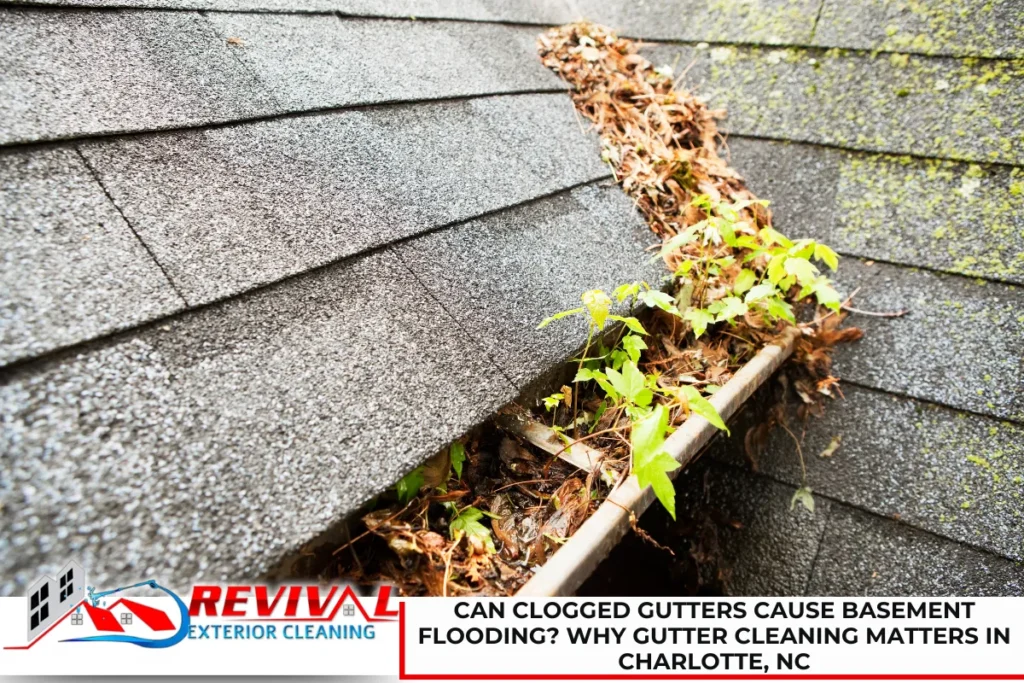
Why Gutter Cleaning Is Your First Defense Against Basement Flooding
Gutter cleaning might seem like a minor chore, but it stands between your Charlotte home and thousands of dollars in water damage. Here’s the problem: when leaves, pine needles, and debris accumulate in your gutters, rainwater has nowhere to go. Instead of flowing safely away from your house, it spills over the edges and pools directly against your foundation. In a city that receives over 43 inches of rain annually—often delivered in intense summer thunderstorms—this overflow quickly saturates the soil around your basement walls.
The consequences are serious. Standing water around a foundation can cause soil erosion and lead to the formation of cracks that allow water to enter basements. That wet carpet smell in your finished basement? The peeling paint on your foundation walls? These problems often trace back to neglected gutters. Overflowing water from clogged gutters can damage foundations, decks, and landscaping, and may also lead to mold growth inside the home.
The solution is straightforward: routine maintenance, professional gutter cleaner services, and smart drainage upgrades that keep your system moving water safely away from your property.
Key Takeaways
- Clogged gutters can lead to basement flooding by forcing rainwater to overflow and pool against a home’s foundation, creating hydrostatic pressure that pushes water through cracks and porous concrete.
- Charlotte’s heavy thunderstorms, clay-rich soil, and mature tree canopy make regular gutter cleaning critical—at least twice per year, with quarterly service for homes under heavy tree cover.
- Hiring a professional gutter cleaner eliminates safety risks from ladder work and ensures thorough downspout clearing that DIY efforts often miss.
- Proper gutter washing, downspout care, and yard grading work together to significantly reduce water intrusion and structural damage risk.
- Neglecting gutter maintenance can result in foundation repairs costing $5,000 to $20,000, mold remediation averaging $2,500 to $10,000, and ruined flooring and belongings.
How Clogged Gutters Lead Water Straight Into Your Basement
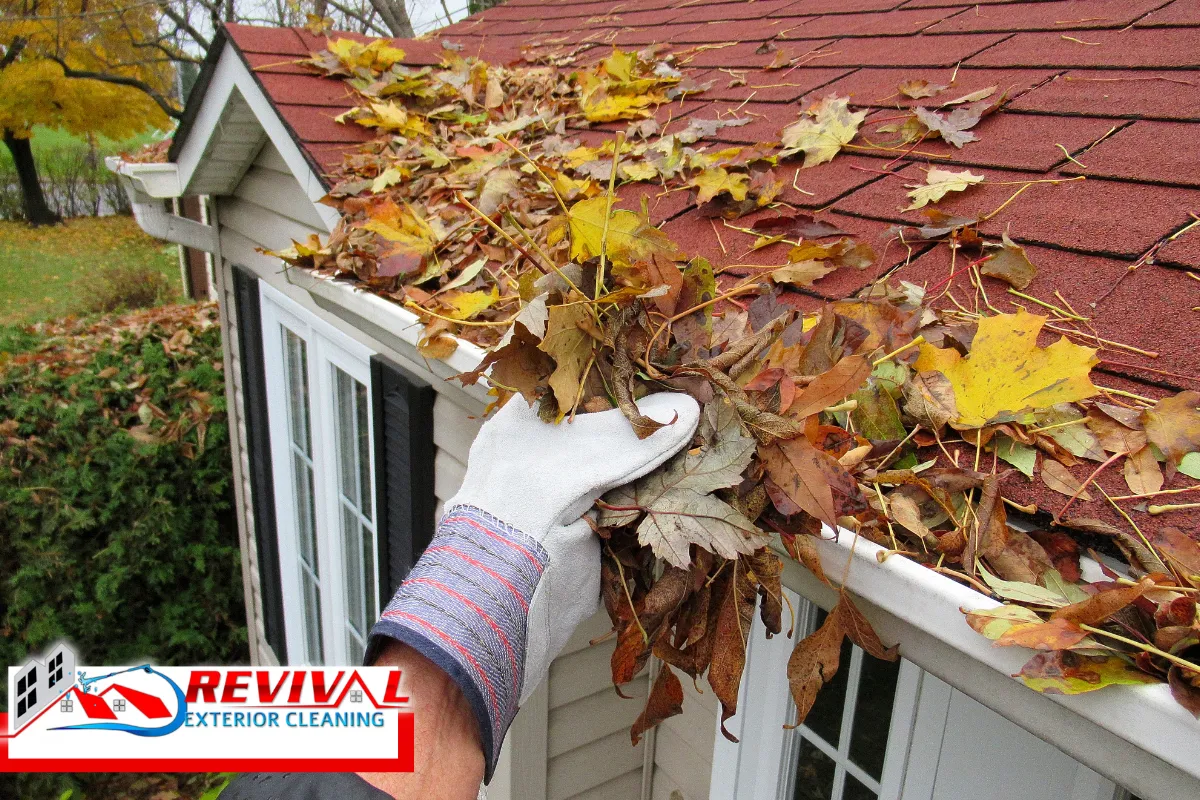
Gutters serve a simple but vital purpose. They capture roof runoff and channel it through downspouts to discharge points away from your home. Properly functioning gutters direct water into downspouts that should discharge at least five feet away from the home to prevent pooling at the foundation. When this system works correctly, rainwater never has a chance to accumulate near your basement walls.
The chain reaction begins when debris blocks this pathway. Leaves, twigs, shingle grit, and dirt create dams that stop water flow. During Charlotte’s frequent thunderstorms, water backs up rapidly and cascades over the gutter fronts. This overflow saturates the backfill soil surrounding your foundation—soil that’s typically less compact than native ground and absorbs water quickly.
Hydrostatic pressure is the force that pushes water through tiny cracks, joints, or porous concrete in basement walls due to pooling water around foundations. Just one foot of standing water can generate over 600 pounds per square foot of pressure against your basement walls. That’s enough force to widen micro-cracks or push moisture through intact concrete over time. Clogged gutters can cause water to overflow, leading to leaks behind the gutter that may enter the home and cause structural damage.
Downspout-specific clogs compound the problem. When debris lodges at 90-degree bends or underground extensions, water bubbles back at gutter inlets and leaks at seams. Even partial blockages can cause significant overflow during a single intense storm.
The Hidden Structural Damage Behind a “Small” Gutter Clog
Basement flooding is only the most obvious consequence. The structural damage that accumulates over seasons of neglect can be far more expensive to repair.
Chronic overflow erodes the soil beneath your footings. This erosion undermines the structural support your foundation depends on, potentially causing differential settlement of one to two inches over time. The result? Cracked slabs, bowed walls, and repair bills ranging from $5,000 to $20,000 according to industry estimates.
Water intrusion affects more than concrete:
- Sill plates (the lowest horizontal framing members) rot when exposed to persistent moisture
- Steel reinforcement in poured concrete rusts, weakening structural integrity
- Metal components near the foundation corrode faster
- Efflorescence (white, powdery salt deposits) appears as moisture evaporates through masonry walls
Clogged gutters can cause water to overflow and leak behind the gutter, leading to serious structural damage to your home. Viewing gutter wash and maintenance as a structural protection investment—not just a cosmetic chore—saves money and preserves your property value over time.
Why Charlotte, NC Homes Are Especially Vulnerable to Gutter-Related Water Damage
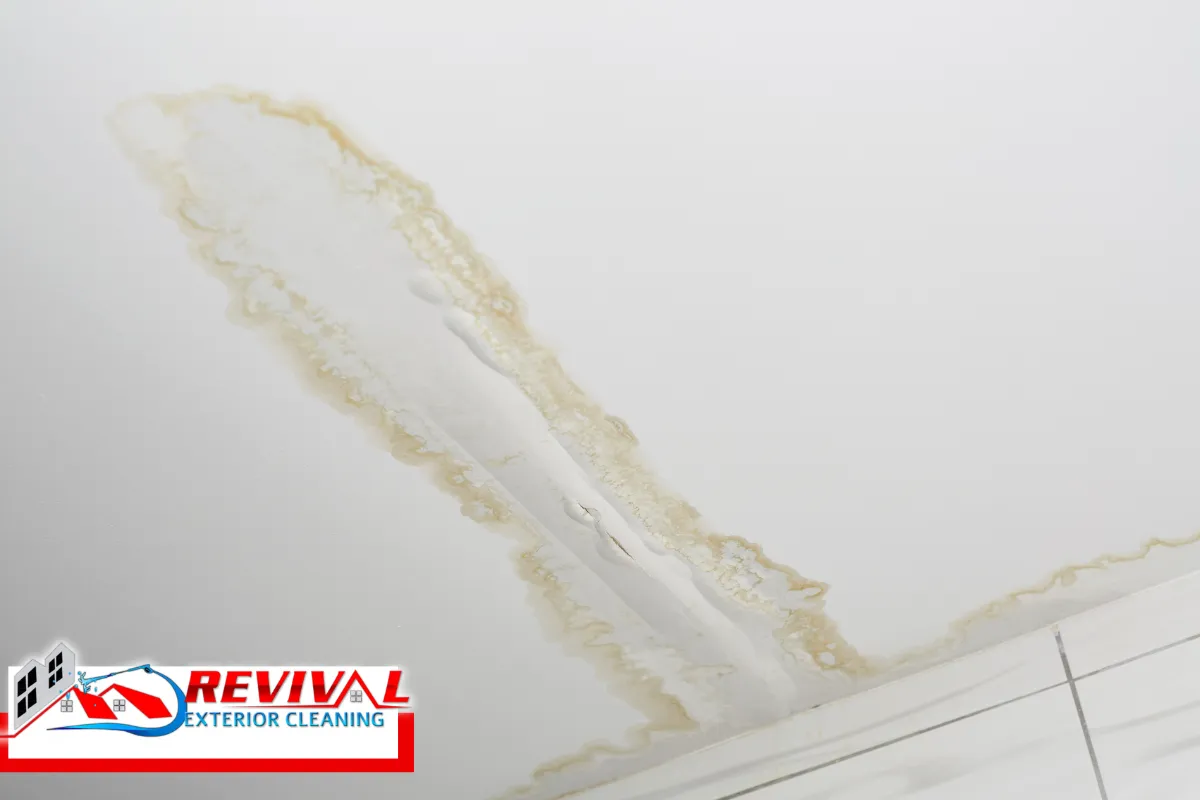
Charlotte’s combination of climate patterns and common construction features creates heightened water-intrusion risk for homeowners throughout the region.
The city’s humid subtropical climate brings hot, humid summers and mild winters. Annual precipitation averages 43.1 inches, often concentrated in convective thunderstorms that can dump two to four inches in just a few hours during peak season from June through August. Many Charlotte homes feature basements or crawlspaces that sit below grade, making them natural collection points for any water that reaches the foundation.
Charlotte’s clay-rich soil expands when wet and contracts when dry, causing the ground to shift and open cracks for water to enter. These Piedmont Ultisols can expand and contract by up to 20-30% volumetrically through repeated wetting-drying cycles, progressively widening seepage paths.
The city’s mature tree canopy—covering approximately 40% of the urban area—includes prolific debris producers like red maples, live oaks, loblolly pines, and sweetgums. Gutter maintenance is necessary to prevent clogs caused by heavy tree debris, particularly pine needles and oak leaves during seasonal changes. Fall leaf drop alone can fill standard five-inch gutters within weeks for homes surrounded by trees.
Local Rainfall Patterns and What They Mean for Your Gutters
Regular cleaning of gutters is essential in Charlotte, NC, due to heavy rainfall and tree debris that can quickly overwhelm gutter systems. The area’s storms don’t arrive gently—they often exceed one inch per hour during peak events.
Consider a single severe thunderstorm dumping three inches of rain over two hours. On a 2,000 square foot roof, this generates roughly 1,875 gallons of runoff. When gutters are partially clogged, they simply cannot handle this volume. Water overflows equivalent to multiple garden hoses directed straight at your foundation.
When a month’s worth of rain falls in just a few days—common during tropical storm remnants or stalled fronts—neglected gutters turn into liability channels rather than protection systems. These local rainfall patterns justify more frequent gutter cleaning than the standard once-a-year rule that works in drier climates.
Charlotte Building Features That Increase Basement Flood Risk
How homes are built and landscaped in Charlotte affects how water behaves around them. Several common features increase vulnerability:
- Walk-out basements with below-grade portions on sloped lots
- Below-grade window wells that collect overflow and direct it toward walls
- Steep roof pitches (6:12 to 8:12 are common) that concentrate runoff into gutters quickly
- Aging gutter systems in older neighborhoods with undersized downspouts
- Settling that has disrupted original grading over decades
Common problems include disconnected splash blocks, downspouts ending too close to foundations, and missing extensions or underground drains. Hardscapes like driveways, patios, and sidewalks can redirect water toward rather than away from basements if not properly installed.
Take time to evaluate both your gutters and surrounding surfaces to see where water actually flows during storms. Understanding these patterns helps you address weak points before they cause damage.
Common Signs Your Gutters Are Putting Your Basement at Risk
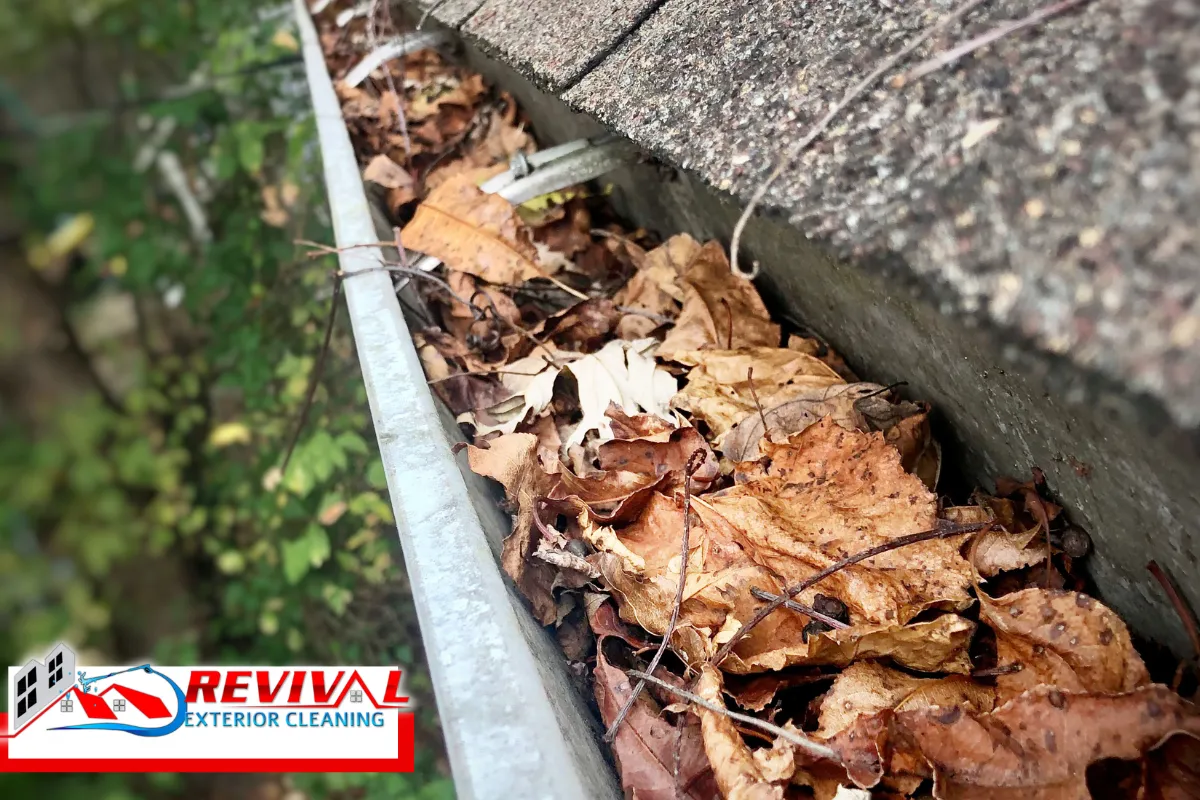
Early warning signs often appear long before water enters your basement. Learning to recognize them can save significant expense and hassle.
Visual gutter clues:
- Water spilling over the front edge during moderate rain
- Sagging sections (debris can add 50-100 pounds per 10-foot section)
- Rust stains or mineral deposits on fascia boards
- Plants, weeds, or small trees growing in the troughs
Ground-level indicators near your foundation:
- Washed-out mulch beds and soil gullies two to six inches deep
- Standing puddles that persist after rain stops
- Water lines or staining one to two feet up foundation walls
Basement red flags:
- Damp spots along perimeter floors after storms
- Musty odors from volatile organic compounds in mold
- White powdery deposits (efflorescence) on block walls
- Peeling paint from trapped moisture
If these signs appear during or after Charlotte storms, schedule a thorough gutter cleaning and inspection promptly.
Basement Moisture Red Flags Charlotte Homeowners Shouldn’t Ignore
Moisture issues rarely fix themselves. Left unaddressed, they worsen with each rain event.
Key red flags requiring attention:
- Recurring wet spots on basement floors within 24-48 hours of rain
- Rusty bottom edges on metal furniture or appliances
- Visible mold on baseboards, especially in corners
- Elevated humidity causing condensation on basement windows
- A persistent earthy smell that intensifies after storms
Belongings stored directly on the slab often show damage first. Cardboard boxes become soft and warped; metal furniture edges develop rust. These serve as early warning systems for ongoing seepage.
Document when moisture appears—whether after storms, during specific seasons, or continuously. This information helps professionals trace issues back to gutter, grading, or drainage sources more efficiently.
Best Practices for Gutter Cleaning and Gutter Washing in Charlotte
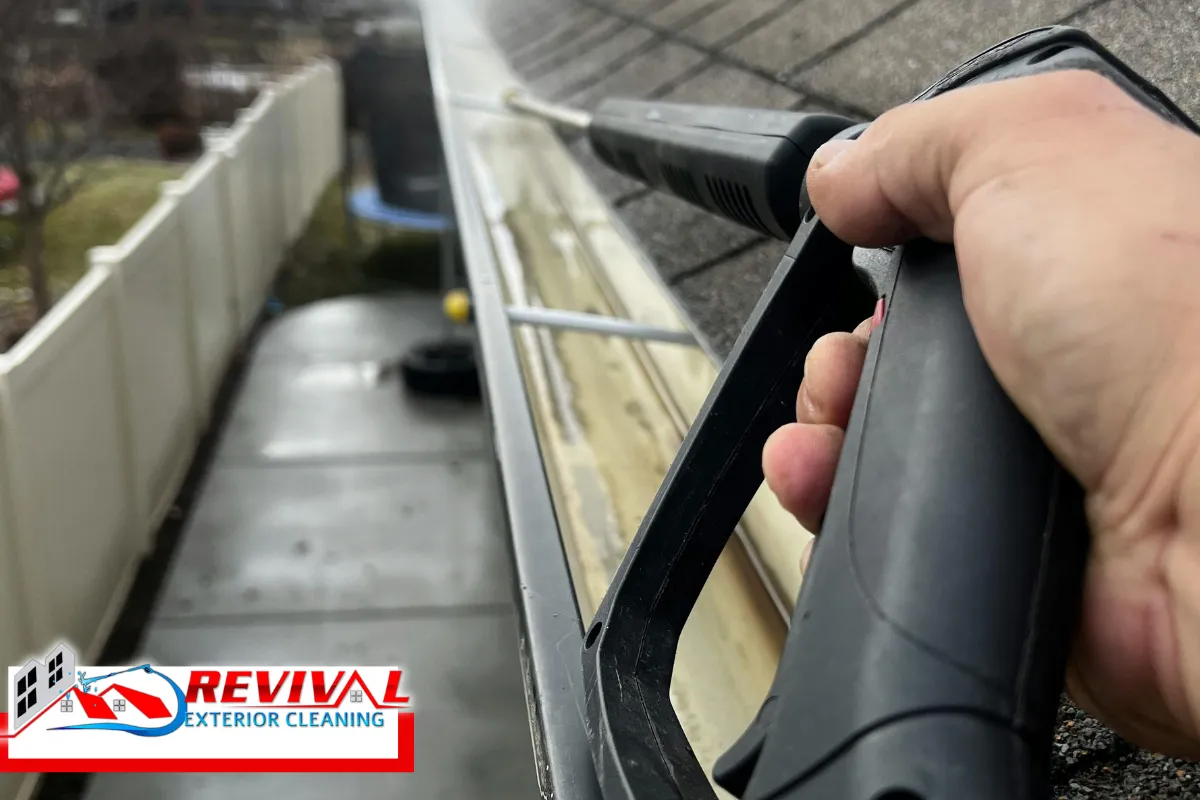
In Charlotte’s climate, proactive gutter maintenance is indispensable for preventing basement flooding and protecting your home. It is recommended to clean gutters at least twice a year to prevent clogs, backups, and potential damage to the home.
Recommended schedule:
| Home Situation | Cleaning Frequency |
| Standard suburban lot | Twice yearly (spring and fall) |
| Heavy tree cover | Quarterly |
| Pine trees nearby | Every 2-3 months |
| After major storms | Additional inspection |
Basic cleaning steps:
- Clear loose debris from roof edges
- Scoop out accumulated leaves and sediment with gloved hands or plastic tools
- Flush downspouts with a garden hose from the top down
- Check joints and hanger brackets for looseness
- Verify gutters maintain proper slope (about 1/4 inch per 10 feet toward outlets)
Gutter cleaning services typically include the removal of leaves and debris from gutters and unclogging downspouts to prevent backups. Gutter washing with low to moderate water pressure can help remove fine sediment, shingle grit, and organic buildup after hand-cleaning. This additional step ensures nothing remains to impede water flow.
Read Do Dirty Gutters Attract Pests? The Hidden Risks Without Regular Gutter Cleaning in Charlotte, NC
DIY Gutter Cleaning vs. Hiring a Professional Gutter Cleaner
Both approaches have merit depending on your comfort level, home design, and available time.
DIY advantages:
- Control over scheduling and immediate attention to small issues
- Potential cost savings of $100-300 per visit
- Familiarity with your own property’s problem areas
DIY challenges:
- Ladder falls cause 81,000 injuries and 300 deaths annually according to CDC data
- Most homeowners miss clogs in downspout bends—surveys suggest 70% overlook these
- Multi-story or steep rooflines create significant access difficulties
- Pest exposure (wasps, rodents) in debris accumulation
Professional gutter cleaner benefits:
- Trained crews with proper safety equipment
- Specialized tools including extension wands and vacuum systems
- Ability to spot fascia rot, loose hangers, and shingle damage during service
- Efficient debris removal and haul-away per local waste regulations
Homeowners uncomfortable with heights or with multi-story homes should strongly consider professional service. The experienced team at a quality gutter cleaning company completes most jobs in one to three hours versus four to six for DIY work, with better results.
Safe and Effective Use of Pressure Washers Around Gutters
Pressure washing can assist gutter wash work but requires careful technique to prevent damage. Understanding the limitations protects both your gutters and your safety.
Pressure guidelines:
- Standard aluminum gutters (0.027-0.032 inch thickness) can dent at pressures exceeding 2,000 PSI
- Optimal range: 1,200-1,900 PSI with 25-40 degree fan nozzles
- Maintain 12-18 inch distance from gutter surfaces
- Work from stable ladder positions to avoid blowback destabilization
Extremely high pressure focused too close can strip paint, delaminate fascia boards, or force water behind siding. Many professionals prefer a combination of hand cleaning, low-pressure rinsing, and soft-wash techniques on nearby siding and brick surfaces.
Mecklenburg County code requires stormwater discharge not to erode adjacent properties. Professional crews typically use containment methods for debris haul-away to stay compliant and efficient.
Beyond Gutters: Other Ways to Stop Water Before It Reaches Your Basement
Gutters are crucial but work best when combined with other drainage and waterproofing strategies. Clean gutters prevent foundation damage by managing how rainwater reaches the ground, thereby avoiding issues such as foundation settling and cracking—but they’re just one component.
Grade your soil properly: Ensure a minimum six-inch drop over the first ten feet from your foundation. This 5% slope moves surface water away from basement walls before it can saturate soil.
Extend downspouts adequately: Use flexible corrugated pipes or buried PVC (four-inch diameter minimum) to carry water at least five to ten feet from the foundation.
Add splash blocks: Position these at downspout outlets to diffuse concentrated flow and prevent erosion.
Consider additional waterproofing: For homes with high water tables or persistent moisture issues, interior or exterior waterproofing membranes, French drains, or sump pumps (1/3 to 1/2 HP models handling 2,000-4,000 gallons per hour) may be necessary.
Starting with clean, functioning gutters is the most affordable first step before investing in more extensive waterproofing systems.
Landscaping and Hardscapes That Help or Hurt Drainage
Landscaping choices can either move water away from your home or trap it near the foundation.
Drainage obstacles to avoid:
- Raised beds installed tight against foundation walls
- Decorative edging that creates dams holding water after storms
- Large shrubs planted too close to basement walls, interfering with drainage and gutter access
Beneficial drainage features:
- Swales (shallow channels with 1-2% cross-slope) directing water away
- Stone dry creek beds that channel runoff during heavy rain
- Permeable pavers allowing water absorption rather than pooling
- Rain gardens positioned to collect and slowly absorb diverted runoff
When planning landscaping projects, factor in downspout locations and typical stormwater paths around your yard. Keep plantings at least two to three feet from foundation walls to maintain access and prevent moisture accumulation.
Long-Term Benefits of Consistent Gutter Maintenance for Charlotte Homeowners

Consistent maintenance saves money and stress over the life of your home. The investment in regular gutter care delivers returns in multiple areas.
Financial protection:
- Reduced risk of foundation repairs ($5,000-$20,000)
- Avoided mold remediation costs ($2,500-$10,000)
- Prevention of flooring and contents damage ($1,000-$5,000)
Extended system lifespan:
- Properly maintained gutters last 30-40 years versus 20 years for neglected systems
- Standing water accelerates galvanic corrosion on steel components
- Regular cleaning prevents fascia and soffit rot from persistent moisture
Cleaning your gutters is one of the most important things you can do to maintain the beauty and value of your home. Indirect benefits include protected landscaping, unstained siding, and maintained curb appeal that supports property value.
In Charlotte’s storm-prone environment, a reliable gutter maintenance plan is a key part of responsible homeownership.
How Often Should You Schedule Gutter Cleaning in Charlotte?
Frequency depends on tree cover, roof type, and local conditions. Experts recommend cleaning gutters in Charlotte at least twice a year, once in spring and once in fall, with more frequent checks advised for properties with significant tree cover.
Recommended schedule by situation:
| Property Condition | Minimum Frequency |
| Minimal tree cover | Twice yearly |
| Moderate tree cover | Three times yearly |
| Heavy canopy/pine trees | Quarterly |
| After tropical storms or severe weather | Additional inspection |
It is recommended that you properly clean your gutters at least twice a year to prevent clogs, backups, and potential damage to your home. Late spring (after pollen and seed drop) and late fall (after leaf drop) represent optimal timing for most Charlotte properties.
Keep a simple maintenance calendar and photograph problem areas. This documentation helps professionals address recurring issues efficiently and can support insurance claims if water damage ever occurs.
Clogged gutters can become breeding grounds for pests such as mosquitoes, termites, and rodents due to the accumulation of moisture. Regular cleaning eliminates these habitats along with the debris that creates them.
Gutter Cleaning in Charlotte, NC – Reach out to Revival Exterior Today!

At Revival Exterior Cleaning & Pressure Washing, we understand how critical properly functioning gutters are to protecting your Charlotte home from water damage. Our dependable crews provide thorough gutter cleaning throughout Charlotte, North Carolina, and prominent surrounding areas including Matthews, Rock Hill, Ballantyne, SouthPark, and beyond.
We take the hassle and risk out of gutter maintenance. Our experienced team removes leaves, debris, and buildup from your gutters, flushes downspouts to ensure clear drainage, and inspects for potential issues like loose hangers or gutter repair needs. We handle the ladder work, the mess, and the debris disposal—so you don’t have to.
Our maintenance services pair perfectly with our pressure washing expertise for whole-home exterior care. We work efficiently to protect your property while delivering quality results our customers consistently praise in their reviews.
Ready for a free estimate? Call us today at (980) 264-2359 or fill out our online contact form to request a free quote. Let us help you protect your home from basement flooding and maintain the beauty and value of your property. Our friendly team is standing by to provide reliable service at a fair price.
Frequently Asked Questions
The following questions address additional concerns Charlotte homeowners commonly have about gutter maintenance and basement water protection.
Do gutter guards mean I never have to clean my gutters again?
Gutter guards reduce debris accumulation but do not eliminate the need for periodic inspection and cleaning. Fine particles like shingle grit, pollen, and small leaf fragments can still enter or accumulate on top of most guard systems. In Charlotte’s tree-filled neighborhoods, this buildup happens faster than many homeowners expect. Gutter cleaning services can also include gutter guard installation to help prevent debris accumulation, but guards require maintenance too. Plan for regular checkups, though typically less frequently than unprotected gutters. A professional gutter cleaner can safely clean around and over many guard systems while verifying downspouts remain clear. Before installing guards, consult with a professional to choose a style appropriate for your roof pitch, nearby trees, and rainfall patterns.
How can I tell if my downspouts are clogged, not just the gutters?
Several observable signs indicate downspout blockages rather than gutter-only clogs. Watch for water bubbling out at the gutter outlet during rain, seams leaking along the downspout length, or no water emerging from the bottom during heavy storms. During a gutter wash session, a simple garden hose test reveals whether water flows freely through each downspout. Clogs commonly occur at elbows, underground connections, or where compacted leaves and seed pods become lodged. Avoid forcing high-pressure water into fully blocked downspouts without care—this can cause joints to burst or detach entirely. If clogs persist after basic clearing attempts, especially when downspouts connect to buried drain lines, calling a professional service is the quick and reliable solution.
How long does professional gutter cleaning usually take on a typical Charlotte home?
Timing varies based on home size, number of stories, debris level, and roof complexity. For many single-family Charlotte homes, expect roughly one to three hours for a thorough job. Multi-story homes or heavily clogged systems take longer, particularly when professionals need to clear compacted material from multiple downspouts and underground extensions. Experienced crews work methodically—positioning ladders safely, cleaning sections systematically, flushing downspouts completely, and checking for obvious issues like loose hangers or leaks requiring gutter repair. The first visit often takes additional time for careful assessment, while subsequent appointments typically proceed faster once major buildup has been removed. Reputable companies prioritize attention to detail, safety, and minimal disruption to your daily routine.
What should I do before a gutter cleaning crew arrives at my home?
A few simple preparation steps make the visit smoother and more efficient for everyone. Move vehicles away from the house perimeter to give ladder access and protect cars from falling debris. Clear toys, patio furniture, and delicate plants away from areas directly below the roofline where work will occur. Secure pets indoors during the appointment to keep them safe and prevent distractions. Before the crew arrives, note any known problem spots—areas where overflow occurs, previous leak locations, or basement moisture issues. Pointing these out helps the team pay special attention where it matters most. Removing heavy items from around downspouts and foundation areas allows crews to test drainage thoroughly and recommend any necessary improvements to your system.
Can my homeowners insurance cover basement damage caused by clogged gutters?
Coverage varies significantly by policy and insurer, and the circumstances of the damage matter. Most standard HO-3 policies distinguish between sudden, accidental events and damage resulting from long-term maintenance neglect like chronically clogged gutters. Insurers may deny claims—industry data suggests a 10-20% denial rate for preventable water damage—if evidence shows the homeowner failed to maintain their gutter system. Review your specific policy documents and speak directly with your agent to understand how water damage and seepage are handled. Keeping records of regular gutter cleaning appointments, including photos and receipts, demonstrates reasonable care if you ever need to file a claim. This information is general guidance only and is not a substitute for personalized insurance or legal advice from qualified professionals.
Disclaimer: This article provides general home maintenance information for Charlotte, NC residents. It is not professional legal, insurance, engineering, or code-compliance advice. Always consult qualified local experts for guidance specific to your property and situation.
Read Can Pressure Washing Remove Nail Rust Stains on Decks in Charlotte, NC?