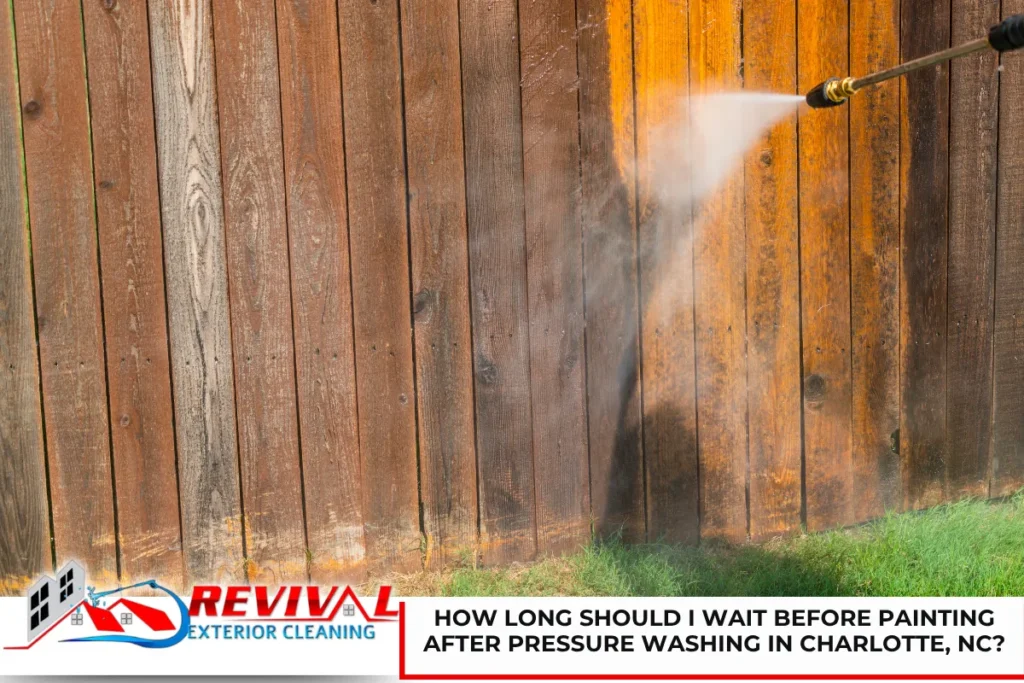
Pressure washing is the first thing many homeowners do before an exterior painting job, but the gap between cleaning and applying that fresh coat of paint matters more than most people realize. Rush the process in Charlotte’s humid climate, and you risk peeling paint, bubbles forming under the surface, and a job that fails within months. Wait too long without a plan, and pollen, dust, and mildew settle right back onto the wall you just cleaned. The answer sits in a narrow window that depends on your home’s siding material, sun exposure, humidity, and recent weather. This guide breaks down the specific drying times, testing methods, and scheduling strategies that keep your painting job on track in Charlotte, NC.
Key Takeaways
- Most exterior surfaces in Charlotte need 48 to 72 hours of dry weather after a pressure wash before you can safely start painting. Wood siding and stucco often need longer.
- Charlotte’s humidity, morning dew, and afternoon storms slow evaporation and can reset the drying clock if rain falls after cleaning.
- Vinyl and aluminum siding dry fastest (24 to 48 hours in full sun), while brick, masonry, and bare wood may need 72 hours or more.
- Painting too soon causes peeling, blistering, mold bleed-through, and shortened paint life. A moisture meter reading below 15% confirms readiness on porous materials.
- Professional pressure washing with correct technique and nozzle selection reduces moisture forced into cracks and gives painters a more predictable prep timeline.
How Long Should You Wait Before Painting After Pressure Washing in Charlotte?
For most homes in Charlotte, plan on 48 to 72 hours between your pressure wash and the moment you pick up a paintbrush. Most surfaces need 24 to 72 hours to dry, but local humidity and material type push many projects toward the longer end of that range. Here is a quick breakdown by material under typical Charlotte conditions (temperatures around 65 to 85 degrees, no rain, moderate humidity):
- Vinyl and aluminum siding: 24 to 48 hours in direct sun with good airflow
- Fiber cement boards: roughly 48 hours, closer to 72 in shade or high moisture
- Brick, stone, and concrete foundations: 48 to 72 hours; mortar joints hold water longer
- Wood siding, trim, and fascia: at least 72 hours; bare wood or shaded areas may need 4 to 7 days
These numbers assume the house gets decent sun exposure and the forecast stays clear. Shaded elevations, deep cracks near windows, and heavily saturated walls after a thorough cleaning session can push drying time well past the minimum range. The safest approach combines a minimum wait window with a hands-on dryness check before you start painting any exterior work.
How Charlotte’s Weather Affects Drying Time After Pressure Washing
Charlotte sits in a humid subtropical climate zone, and that matters for every step of paint prep. Humidity can delay evaporation and increase drying times, turning what might be a 48-hour wait in an arid region into a 72-hour wait here.
Key local factors that slow drying:
- Afternoon thunderstorms during spring and summer can re-wet siding within hours of washing. Recent rainfall can reset the drying time clock on any wall it touches.
- Morning dew collects on exterior surfaces overnight, especially on north-facing walls and shaded sides of homes tucked into tree-lined neighborhoods. Shaded areas take longer to dry than sunlit areas, sometimes by a full day or more.
- Summer relative humidity routinely hovers above 80% in the morning. High humidity extends drying time on every material, and the effect is cumulative across multiple humid days.
- If rain occurs during the drying window, additional drying time is required before the surface is ready for primer or paint.
For the best results, wait for at least a full day of no rain, temperatures between 60 and 90 degrees, humidity below about 70%, and some wind or air movement. In similarly humid subtropical climates, 48 hours is considered a safer baseline for drying after a power wash, and Charlotte often demands the same patience. Spring and early fall tend to deliver the most consistent stretches of warm, dry weather for this kind of schedule.
Dry Time by Surface Type: Vinyl, Wood, Brick, and Stucco
Surface material affects drying time after pressure washing because each material absorbs and releases water at different rates. Knowing what your house is made of narrows the guess out of your schedule.
Vinyl and aluminum siding are non-porous, so water sits on the surface rather than soaking in. Vinyl and fiber cement siding typically dry within 24 to 48 hours under Charlotte’s sun. Color matters here: darker vinyl absorbs more heat and dries faster on the surface, but any water pooled behind laps or around trim needs time to evaporate. Older vinyl with cracks may trap more moisture than newer panels.
Fiber cement boards, including Hardie board common across Charlotte homes, have moderate porosity. The material absorbs water into its top layers, so even after the surface feels dry to the touch, the substrate can hold moisture. Plan on 48 hours minimum in good conditions, and push toward 72 hours for shaded walls or sections that were heavily soiled and needed extra rinsing.
Brick, stone, and masonry foundations are porous throughout. Mortar joints act like sponges, pulling water deep into the wall. Stucco and masonry may take 48 to 96 hours to dry completely due to their porous nature. Hard surfaces like smooth-faced brick release moisture faster than rough-textured stucco, but both need careful monitoring. Foundation walls shaded by landscaping or porches can stay damp for days.
Wood siding, fascia, and trim absorb the most water of any common exterior material. Porous materials like wood may need 72 hours to dry, and that number stretches to 4 to 7 days for bare wood, weathered boards with open grain, or sections that sit in perpetual shade. Sun exposure can speed up drying times for surfaces that face south or west, but north-facing wood trim under a roof overhang may hold moisture content well above the 15% threshold for days. Heavily mildewed wood washed with detergent or mildewcide takes on extra moisture during treatment, adding to the wait. Areas around windows, doors, and horizontal trim tend to collect and hold water, so check those spots before you pull out a brush.
Read Is Pressure Washing Recommended After Storms in Charlotte, NC?
How to Tell If Your Exterior Is Dry Enough to Paint
Counting days gives you a starting point, but testing the actual surface is the only way to know it is ready. Visual checks can be deceiving; moisture may remain trapped beneath a surface that looks and feels dry on the outside.
Here are practical checks any homeowner can do:
- Touch test: press your palm flat against the wall in several spots. The surface should feel dry and warm, not cool or clammy. A cool sensation means water is still evaporating from below.
- Visual inspection: look for dark patches, a wet sheen, or damp-looking mortar lines. Walk the house at different times of day; morning moisture from dew can reveal problem spots that dry out by afternoon.
- Clear plastic tape test: tape a small square of clear plastic sheeting against the wall and leave it for a few hours or overnight. If condensation forms on the inside of the plastic, the surface is still releasing moisture. A patch test like this can confirm surface dryness before painting and is one of the simplest methods available.
Professionals working on wood and other porous materials typically use a moisture meter (using pinless models or carefully inserting pin-type probes into inconspicuous areas) to get an accurate reading. Moisture content should be below 15% before painting; some manufacturers recommend 12% for bare wood. If you do not own a meter, focus your testing on problem spots: lower walls near mulch or landscaping, north-facing sides, and recently repaired or patched areas. Surfaces should be completely dry before applying primer or paint. If any check shows lingering moisture, wait another day.
Common Mistakes When Painting After a Pressure Wash
Rushing from wash day to paint day is the single biggest reason exterior paint fails early on Charlotte homes. Painting too soon can cause peeling and bubbling, and those problems often show up within the first season.
Mistakes that lead to early failure:
- Painting the next morning after a late-afternoon wash, especially on wood or stucco. Overnight dew adds moisture right back to a surface that was barely starting to dry.
- Ignoring shaded or sheltered walls. The sunny side of the house may look ready while the north wall behind the magnolia tree is still holding water in every lap joint.
- Using pressure washers set too high or holding the nozzle too close. This can force water into cracks and behind loose paint, saturating the substrate far deeper than a light wash would.
- Skipping cleaning agents where mold, mildew, or chalk has built up. Debris left behind contaminates the bond between primer and surface, leading to peeling paint within months.
- Not checking paint manufacturer data sheets for temperature and humidity ranges. Applying a fresh coat outside those specs can void the product warranty.
Safer alternatives include using lower pressure with the correct fan tip, washing in the morning so the wall gets a full day of heat and airflow, and scheduling your painting job with at least one buffer day beyond the minimum dry time. Spot priming bare wood or patched areas only after confirming dryness protects the full exterior work from adhesion failures.
Best Practices for Scheduling Exterior Painting in Charlotte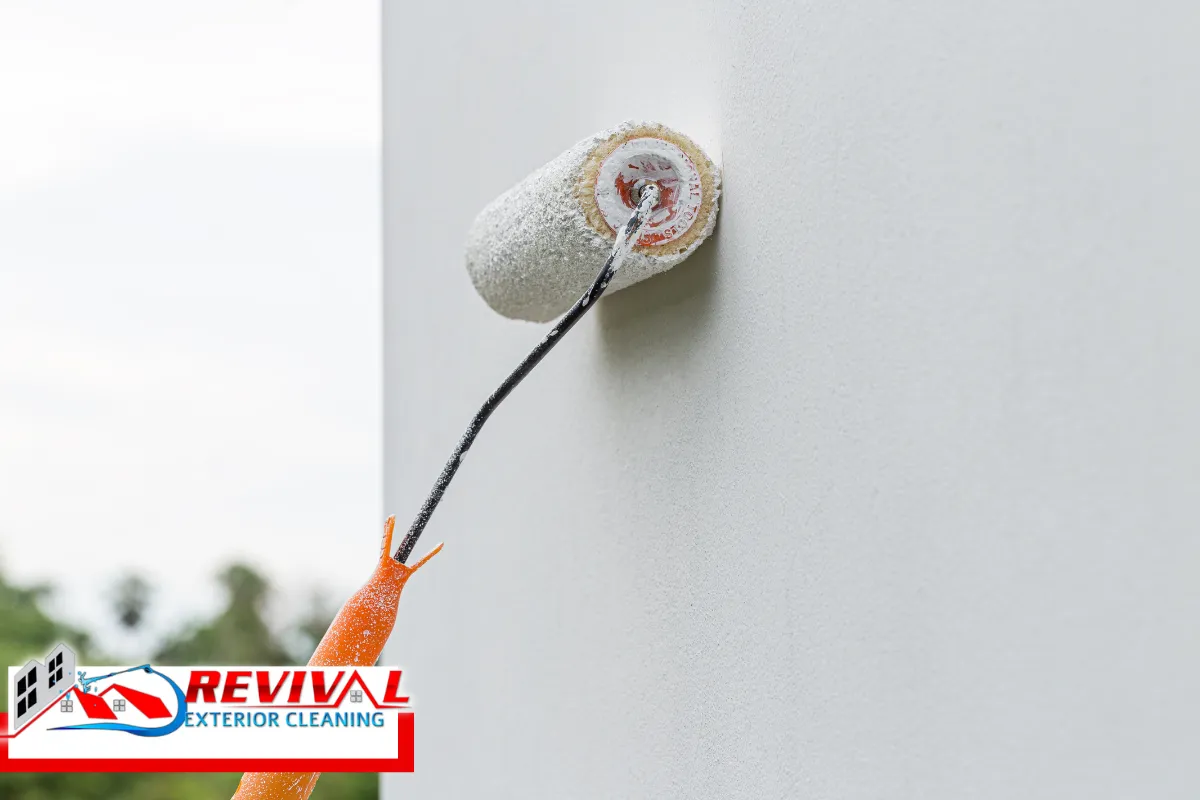
Planning around weather, dry time, and contractor availability makes the difference between a job that lasts and one that peels. Pressure washing should be scheduled 2 to 3 days before painting so the house has a realistic window to dry.
Here is a simple timeline for a typical Charlotte home:
- Day 1 (morning): professional pressure cleaning of all exterior surfaces. Starting early gives the house a full day of sun and warmth before overnight cooling.
- Day 2: monitor the weather and walk the house. Check shaded walls, wood trim, and masonry joints. If conditions stay dry and warm, sand any rough spots and prepare surfaces on quicker-drying sides.
- Day 3: begin painting on vinyl, aluminum, or fiber cement panels that pass dryness checks. Hold off on wood, stucco, or brick elevations that still show moisture.
- Day 4 (buffer): tackle the slower-drying sides. This extra day is especially useful for wood siding, trim, and stucco.
Check the forecast for 2 to 3 consecutive dry days before locking in your schedule. Spring and early fall typically offer the most reliable windows around Charlotte, with moderate heat and lower humidity than the summer months. Coordinate your painters and washing contractors so everyone agrees on the minimum drying window and nobody starts before the house is ready. Many homeowners find that this kind of coordinated plan saves money by avoiding rework and call-backs from premature paint failure.
Why Professional Pressure Washing Sets Up a Longer-Lasting Paint Job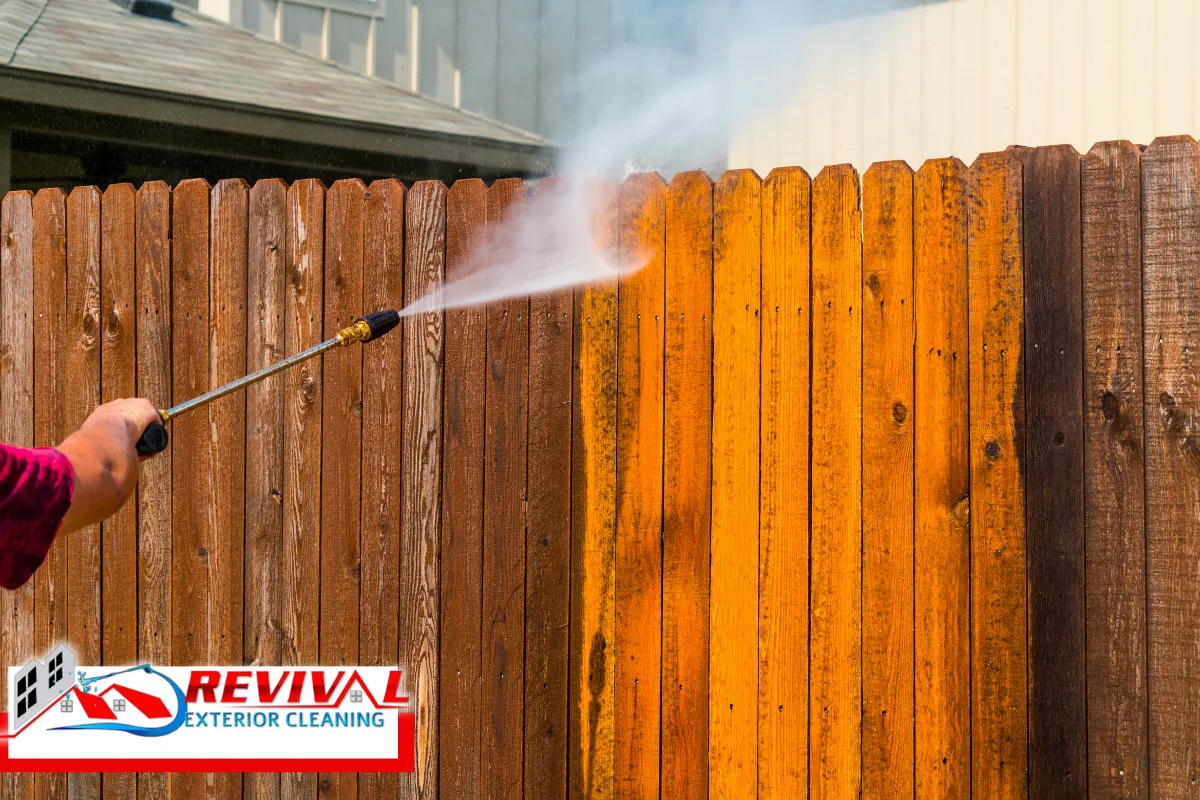
How you wash is just as important as how long you wait afterward. Professional pressure washing services bring several advantages that directly affect how well paint adheres:
- Correct pressure and nozzle selection prevent water from being blasted behind siding, into wall cavities, or through gaps around windows. Pros adjust per square inch of force based on the material.
- Proper detergents remove mold, mildew, pollen, cobwebs, dirt, and chalky residue that a water-only rinse leaves behind. This is essential for paint prep on any exterior.
- Consistent technique across all elevations means the painters inherit a uniform, clean surface without prep surprises hiding on the back of the house.
Contractors experienced with Charlotte neighborhoods know the common building materials and how each one responds to washing and drying. A sound, clean, fully dried surface allows primer and finish coats to bond at full strength. Paying attention to cleaning, dry time, and weather together often adds years to the life of an exterior paint job; cutting corners on any one of those three shortens it.
Pressure Washing in Charlotte, NC – Reach Out to Revival Today!
At Revival Exterior Cleaning & Pressure Washing, we help Charlotte homeowners prepare their homes for a lasting exterior paint job. Our pressure washing removes mold, dirt, mildew, loose paint, and debris from siding, brick, stucco, and trim without causing damage to the underlying material. We are based in Charlotte, North Carolina and proudly serve the prominent surrounding areas with expert exterior cleaning tailored to local building materials and weather patterns. We adjust our wash methods and timing so your home dries on schedule and paint can go on at the right time. Ready to get started? Call us at (980) 264-2359 or fill out our online contact form to schedule a quote. We are committed to giving your home the clean, solid foundation every great paint job deserves.
Frequently Asked Questions
Can I Pressure Wash and Paint Different Sides of My House on Different Days?
Yes, and many homeowners in Charlotte do exactly this. Walls that face south or west receive more sun and dry faster, so you may be able to paint those sides a day or two before the north-facing or shaded sides are ready. The key is to test each elevation separately before applying primer or paint. Walk the house and check for cool spots, damp mortar lines, or condensation under a small square of clear plastic. Do not assume that because one wall passed the moisture test, the opposite wall did too. Treating each side on its own timeline prevents you from painting over trapped water and ending up with blistering or mold growth months later.
How Does Mold or Algae Treatment Affect Drying Time Before Painting?
Mildewcide and algae-killing detergents require extra rinse water to remove chemical residue from exterior surfaces, which introduces more moisture into the substrate. On brick and stucco, this can add 12 to 24 hours to the standard drying window. On wood, the effect is greater because the grain absorbs both the solution and the rinse water. after treating mold or algae, allow at least one additional day beyond the normal minimum dry time and ensure all wash water is contained or neutralized in accordance with Charlotte-Mecklenburg storm-drainage regulations. Verify with a moisture meter on wood and a visual check on masonry before moving to paint prep. Skipping the extra wait risks trapping cleaning chemicals under the paint film.
Is It Safe to Pressure Wash Older Paint Before a Repaint in Charlotte?
Older paint layers, especially those applied before the mid-1980s, may contain lead. Charlotte follows federal EPA guidelines that require safe work practices when disturbing lead-based paint. If your home was built before 1978, comply with federal EPA Lead-Based Paint RRP rules before using any power washing equipment on painted surfaces built prior to 1978. Even on homes with non-lead paint, high pressure can gouge soft wood, blow water behind clapboards, and chip away at layers that are still bonded. Use a lower-pressure setting or a light wash with appropriate detergents rather than brute force. A qualified contractor will know how to clean without creating more damage or health hazards.
How Soon Can I Repaint After a Soft Wash Instead of a Full Power Wash?
Soft washing uses lower pressure and relies on cleaning solutions to do the heavy lifting, which means less water is forced into the substrate. For vinyl and aluminum siding, you may be able to cut the wait by roughly 12 hours compared to a full high-pressure wash, bringing the window closer to 24 hours in ideal sun and dry weather. Wood and masonry still absorb the solution and rinse water, so the savings are smaller; plan on at least 48 to 72 hours. The tradeoff is that soft washing leaves surfaces cleaner with less risk of substrate damage, which can make the process smoother overall for your painters.
What Should I Do If Part of the House Dries Faster Than the Rest?
Start your paint prep and priming on the sides that are confirmed dry, and leave the slower-drying elevations alone until they pass the same tests. Use the wait time to sand, caulk, and spot-prime the dry walls while the shaded or north-facing sides continue to release moisture. Avoid the temptation to guess that a wall is “close enough” because it feels mostly dry; trapped moisture under a fresh coat will show up as peeling or bubbling within the first year. If one wall refuses to dry after several days of warm weather, check for drainage problems, sprinkler spray hitting the wall, or roof runoff keeping the area wet.
Disclaimer
This article provides general exterior painting and pressure washing guidance for Charlotte, NC homeowners. Conditions vary by property. Always follow product labels, manufacturer specifications, and consult qualified professionals or local historic/HOA guidelines (as applicable) for project-specific decisions.
Read How Pressure Washing Removes Chewing Gum From Charlotte, NC Sidewalks