
How Often Should You Clean Gutters
Gutter cleaning is one of those tasks that’s easy to forget until water is pouring over your fascia boards or pooling against your foundation. In Charlotte, clogged gutters lead to wood rot, mold, siding damage, and foundation repairs that can run into the thousands. The solution is straightforward: set a consistent, seasonal cleaning schedule with a professional who knows the local debris cycle.
Here’s the short answer for how often should you clean your gutters:
- Cleaning is recommended once in spring and once in fall for most homes. Schedule the first visit in late May or early June after pollen season wraps up, and the second in late November after the bulk of leaf drop has finished.
- A third visit makes sense for properties with heavy pine coverage, large hardwood canopies, or gutters that visibly fill between scheduled cleanings.
- Homes in newer developments with minimal nearby trees may get by with once-a-year service in late fall, but even these properties need visual inspections at least twice a year.
- The right frequency depends on tree coverage, roof shape, and storm exposure, not just the calendar.
Professional gutter washing or soft washing gutters may also be needed when algae, tiger striping, or pollen stains build up on the exterior of your gutter line. This exterior work is separate from clearing the trough but is often bundled with a regular cleaning visit.
Key Takeaways
Charlotte homeowners deal with year-round debris from pine needles, seasonal leaf drop, spring pollen, and frequent storms. Most homes in the area need professional gutter service at least twice a year, and properties surrounded by trees often need three or more visits.
- Most homes need professional gutter cleaning twice a year: once in late spring and once in late fall.
- Heavy tree coverage, especially from pine trees or mature hardwoods, increases the recommended frequency to three or four times a year.
- Major storms and high winds can push extra debris into your gutter system, sometimes requiring unscheduled service.
- Gutter guards reduce the amount of cleaning needed but do not eliminate it; annual inspections are still necessary even with guards installed.
- Charlotte’s humid subtropical climate, clay soils, and long growing season mean gutters here clog faster than in cooler, drier regions.
This article walks through each season’s debris patterns, warning signs that something’s wrong, and how to build a cleaning schedule that fits your specific Charlotte neighborhood and lot conditions.
Why Charlotte’s Climate Demands a Stricter Gutter Cleaning Schedule
Charlotte experiences a distinct four-season cycle affecting gutter maintenance. The humid subtropical climate produces long, warm growing seasons and frequent summer thunderstorms. North Carolina experiences heavy rainfall, and that volume of water puts constant stress on any gutter system that isn’t draining freely. Gutter maintenance frequency should consider local rainfall and storm patterns, and Charlotte’s patterns are more demanding than many homeowners expect.
- Frequent storms and high winds during warm months drive leaves, twigs, and shingle grit into gutters and downspouts.
- Spring pollen from oaks and other hardwoods creates a sticky layer that traps fine debris and slows drainage through outlets.
- Fall leaves from hardwoods combine with year-round pine needle accumulation to form thick mats that block water flow within weeks.
- Winter rain events and occasional freeze-thaw cycles exploit any remaining clogs, and ice can form in clogged gutters during winter, causing damage to hangers, seams, and fascia.
- Charlotte’s clay-heavy soils make matters worse: when overflowing water pools near a foundation, clay retains that moisture and increases the risk of hydrostatic pressure against basement walls or crawlspace walls.
Microclimates within the service area also play a role. A home tucked into a wooded cul-de-sac in Myers Park may need three cleanings a year, while a home on an open ridge-top lot in a newer subdivision a few streets away might handle two. Two houses on the same block can have different cleaning needs based on canopy density alone.
Season-by-Season Guide to Gutter Cleaning in Charlotte
Each season brings a different type of debris and a different level of urgency. This section breaks down what’s happening in your gutters month by month so you can plan your cleaning schedule around real conditions rather than guesswork.
Spring (March through May): Pollen, Seed Pods, and Sludge
March through May brings a heavy wave of spring pollen, seed pods, and catkins from Charlotte’s dominant tree species. Late spring is the best time to clean gutters after pollen and seed drop have subsided.
- Pollen and fine organic material mix with spring showers to form a sticky sludge inside gutter troughs and at downspout inlets. This sludge hardens if left through summer.
- Common Charlotte debris during pollen season includes oak tassels (the stringy catkins that willow oaks shed in March and April), maple seed “helicopters,” and sweetgum gumballs that bridge across the gutter channel.
- Schedule professional spring cleaning in late May or early June, once the main pollen and seed pod drop has finished.
- Downspout outlets and splash blocks should be checked at the same time to make sure spring runoff drains away from the home’s foundation and doesn’t pool at the ground level.
A gutter cleaner may also rinse or lightly pressure wash gutters externally during a spring visit to remove visible pollen staining, using appropriate nozzle settings and controlled low pressure (typically under 300 PSI)
Summer (June through August): Thunderstorms and Heavy Rain
Summer storms in Charlotte are intense. Heavy thunderstorms can exacerbate debris accumulation in gutters by driving broken branches, roof grit, and windblown material into a system that may already have leftover spring residue.
- Branches, twigs, and large debris get washed into gutters during strong storm events, quickly turning a marginal clog into a complete blockage.
- If a proper late spring cleaning was done, most gutter systems should handle summer rains without issues. Still, walk the perimeter of your home after major storms and look for signs of trouble.
- Watch for these in summer: water overflowing from the gutter edge during heavy rain, water streaks on siding below the roofline, and landscape erosion in mulch beds under the drip line.
- Properties with dense tree canopy, older gutter systems, or those hit by severe weather events may benefit from a mid-summer professional visit.
Avoid climbing a ladder in wet or windy conditions. If you suspect a problem after a summer storm, let a trained technician with proper equipment handle it.
Fall (September through November): The Primary Cleaning Window
Fall is the single most critical season for Charlotte gutter maintenance. Late fall cleaning is critical after the majority of leaves have fallen, and skipping this window sets up your home for problems that compound through winter.
- Tree type impacts cleaning frequency, with hardwoods causing the bulk of fall leaf drop. Peak accumulation from oaks, maples, and sweetgums typically runs from late October through late November.
- A blanket of fall leaves, acorns, and pine needles can fill gutters within two to three weeks in older, tree-lined neighborhoods like Cotswold or Hidden Valley.
- Schedule professional service for late November or early December, after most leaves have fallen but before winter storms arrive.
- This fall visit is also the best time for a full inspection of loose fasteners, seams, slope, and overall system condition; everything is exposed once the trough is cleared.
Homes with metal roofs or steep pitches tend to funnel leaf debris more aggressively into gutters, making this cleaning even more necessary.
Read How Do Professionals Clean Gutters Quickly? Insights From Gutter Cleaning Experts in Charlotte, NC
Winter (December through February): Needles, Residual Debris, and Freeze Risks
Winter in Charlotte is milder than in cold climates farther north, but the season still puts pressure on gutters. Pine needles accumulate year-round and can block water flow in gutters, and winter is when that accumulation becomes most problematic.
- Loblolly pine trees drop needles year-round, clogging gutters faster than most homeowners expect. These fine needles mat over outlets and screens, restricting drainage even when larger leaves are gone.
- Residual debris from a single season of leaf drop, if not fully cleared, absorbs winter rain and becomes heavy, adding weight to hangers and stressing seams.
- On freezing nights, water sitting in a clogged trough can turn into ice pockets. These ice formations expand inside seams and can pull gutters away from fascia boards. True ice dams are less common in Charlotte than in northern states, but partial icing still causes damage.
- A late-winter cleaning in February is recommended for homes with heavy pine coverage, wooded lots, or any property that experienced icing during the previous weeks.
This winter visit prepares the gutter system for the incoming spring pollen wave, keeping things from starting the new season already half-clogged.
Factors That Change How Often You Need Your Gutters Cleaned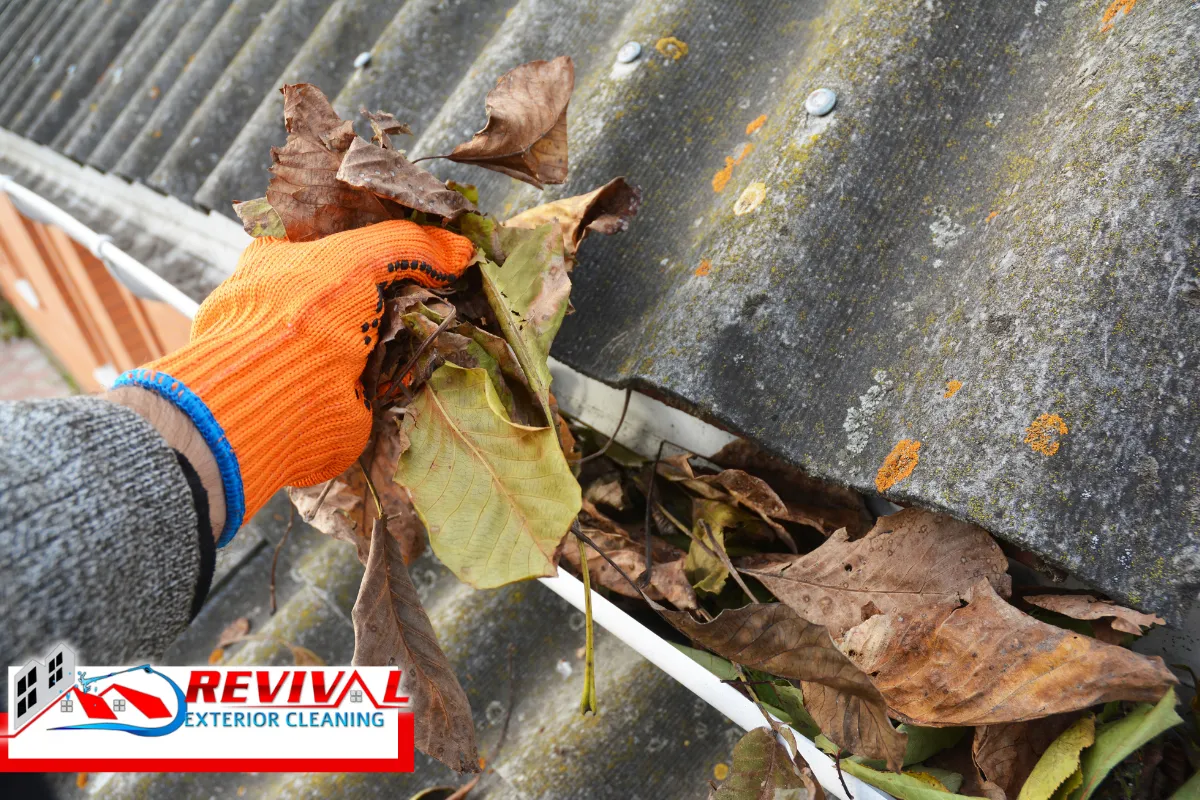
Twice a year is a starting point. The right frequency for your property depends on conditions specific to your lot and roof.
- Tree type and density: properties with pine trees may require cleaning every three months because needles accumulate year-round. Heavy hardwood canopy means more leaf drop in a compressed window.
- Roof size, pitch, and complexity: valleys, dormers, and multiple levels create more collection points and harder-to-reach sections.
- Age and design of the gutter system: seamless gutters have fewer weak points than sectional systems. A 6-inch channel handles more volume than a 5-inch channel but still fills with debris at the same rate.
- Exposure to frequent storms and high winds, common on hilltop lots or in storm-prone Charlotte neighborhoods.
- Nearby construction, unpaved roads, or open fields that produce dust and grit, accelerating buildup between visits.
- Properties with moderate tree coverage generally do well with twice a year service, while heavy tree coverage increases gutter cleaning frequency to three or four times a year.
A professional can review these factors on-site and recommend a personalized cleaning schedule rather than a one-size-fits-all plan.
Warning Signs Your Gutters Need Professional Attention Now
Waiting for a calendar date isn’t always enough. Visible symptoms often reveal that your gutter system needs urgent service. Typical signs that gutters need cleaning include overflow and sagging, but there are several others to watch for:
- Water is overflowing from the gutters during rain, especially in specific spots above doors, walkways, or landscaping beds.
- Water isn’t coming out of the downspouts during rain, indicating a clog somewhere between the inlet and the drain outlet.
- Leaves and debris are visible from the ground in gutters, or you can see organic material poking above the gutter edge.
- Sagging gutters indicate excess weight from debris; the gutter runs may look wavy or have sagging sections pulling away from the roof edge.
- Plants growing in gutters show prolonged neglect. If weeds growing out of the trough are visible, the debris has been sitting long enough to become soil.
- Stains or streaks on siding indicate water overflow, and peeling paint near the gutter line or mildew under eaves are related symptoms.
If any of these signs appear, schedule a cleaning now rather than waiting for the next planned visit.
What Happens When You Skip Gutter Cleaning in Charlotte?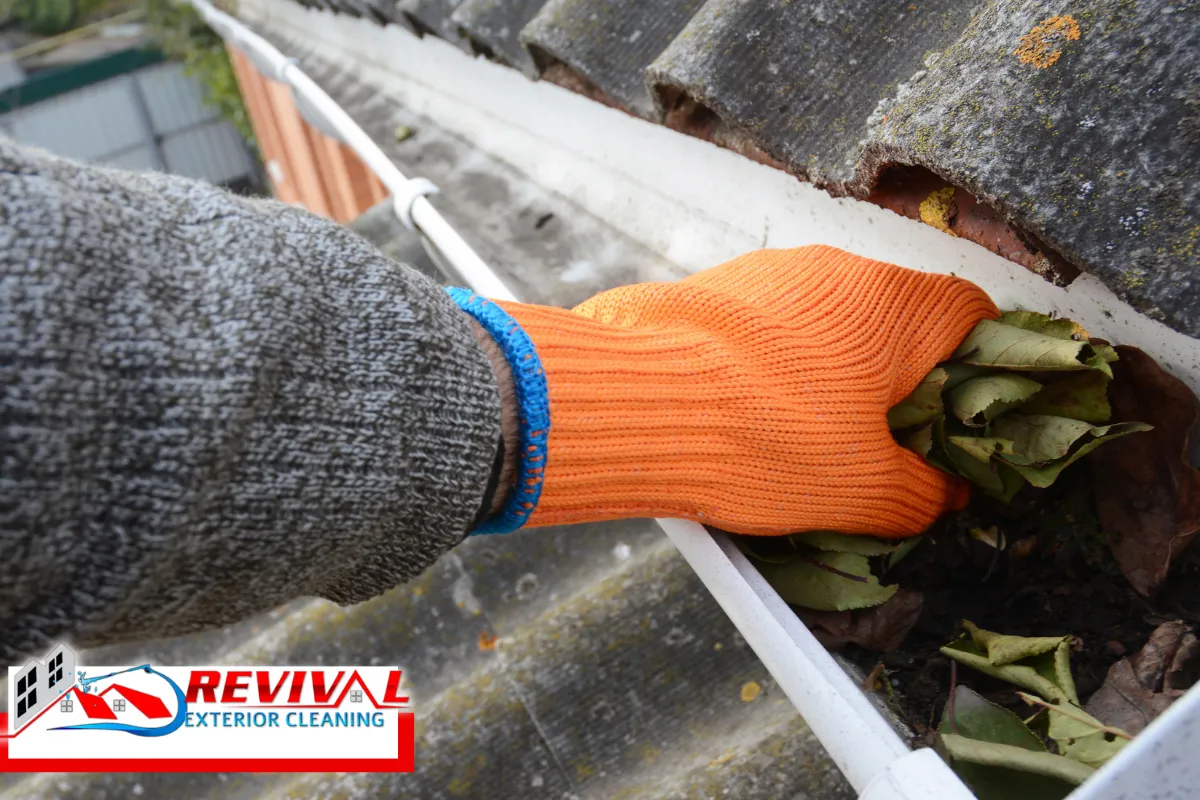
Neglected gutters quietly cause thousands of dollars in damage over a few seasons in Charlotte’s wet climate. Regular gutter cleaning is far cheaper than the repairs that result from ignoring the problem.
- Roof and fascia damage: standing water backs up against fascia boards and rafter tails, causing wood rot. Gutters in humid climates can lead to rapid rot and mold growth, and Charlotte’s humidity accelerates this process.
- Siding stains and algae streaks develop where overflowing water repeatedly runs down exterior walls.
- Landscape erosion washes out mulch beds and cuts trenches along the drip line where water continually overflows. This creates visible ground damage and redirects water toward the foundation.
- Foundation risks are real: overflowing gutters pool water against crawlspace walls or slabs. Over time, this moisture intrusion leads to foundation damage and structural problems that cost thousands to address.
- Pest concerns include mosquitoes breeding in standing water inside the trough, and rodents or insects using clogged debris as nesting material.
Early professional intervention costs a fraction of what rotten trim, compromised foundations, or interior water damage will run.
Do Gutter Guards Eliminate the Need for Cleaning?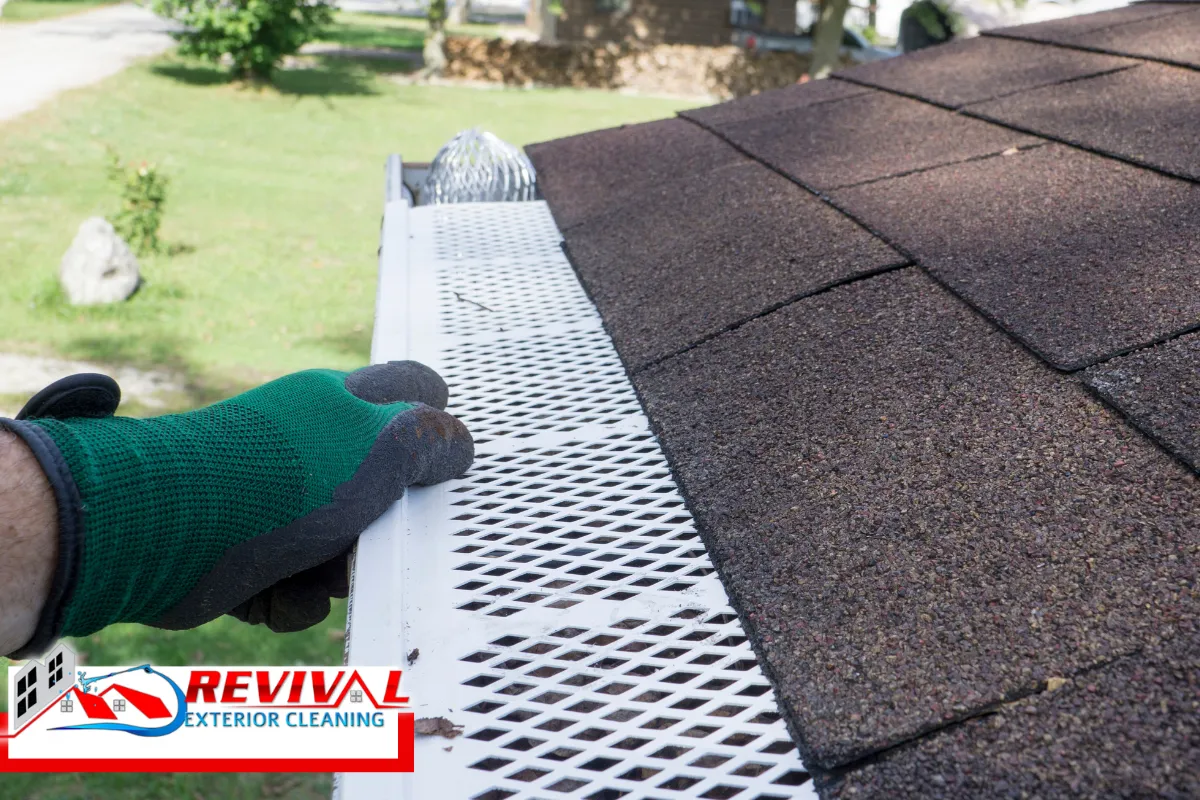
Gutter guards reduce the volume of large debris entering your trough, but they do not eliminate maintenance. In Charlotte’s environment, where fine particles and pine needles are constant, guards are a supplement to regular cleaning, not a replacement.
- Mesh guards keep large debris like leaves, acorns, and branches out of the channel. Fine debris such as pine needles, pollen, and shingle grit still passes through and accumulates.
- Gutter guards reduce cleaning frequency for many homes, shifting from twice a year to roughly once a year. In some cases, gutter guards can extend cleaning intervals to every 18 months, depending on tree density and guard quality.
- Debris accumulates on top of guards and must be cleared periodically so water can freely enter the system during heavy rain. Ignoring this defeats the purpose.
- A “set it and forget it” mindset leads to hidden blockages at gutter edges and downspout inlets that go unnoticed until overflow occurs.
- A professional should inspect both the guards and the underlying gutters at least annually, and after any severe storms during storm season.
Not all gutter guards are equal. Design, installation quality, and the tree species on your lot all affect how much they actually reduce your cleaning burden. Gutter guards eliminate large leaf clogs but cannot stop the fine material that Charlotte’s trees produce in every season.
Why Professional Gutter Cleaning Is Safer and More Effective
Some homeowners handle low, simple gutters themselves. But many Charlotte properties have two-story construction, steep roof pitches, or complex rooflines where working from a ladder carries real risk.
- Ladder falls are one of the most common home maintenance injuries. Working near power lines and navigating wet or steep roofs adds more hazard for untrained homeowners.
- Professionals use proper techniques: hand scooping debris, flushing downspouts with controlled water pressure, and soft washing gutters externally when staining warrants it. When they pressure wash gutters, they follow Charlotte, North Carolina safety guidelines and adjust nozzle types and pressure levels to avoid damaging paint, sealant, or siding.
- Trained technicians spot early signs of trouble: loose fasteners, failing caulk at seams, incorrect slope (industry standards typically recommend a minimum slope of 1/4 inch—or at least 1/8 inch—per foot toward downspouts), and minor roof issues adjacent to the gutter line.
- Professionals document each visit, giving you a record of when gutters were serviced, what issues were noted, and what follow-up is needed.
Professional services can also integrate gutter work with other exterior maintenance like roof debris removal, soffit rinsing, and careful exterior washing for a more complete approach to home care.
Building the Right Gutter Cleaning Schedule for Your Charlotte Home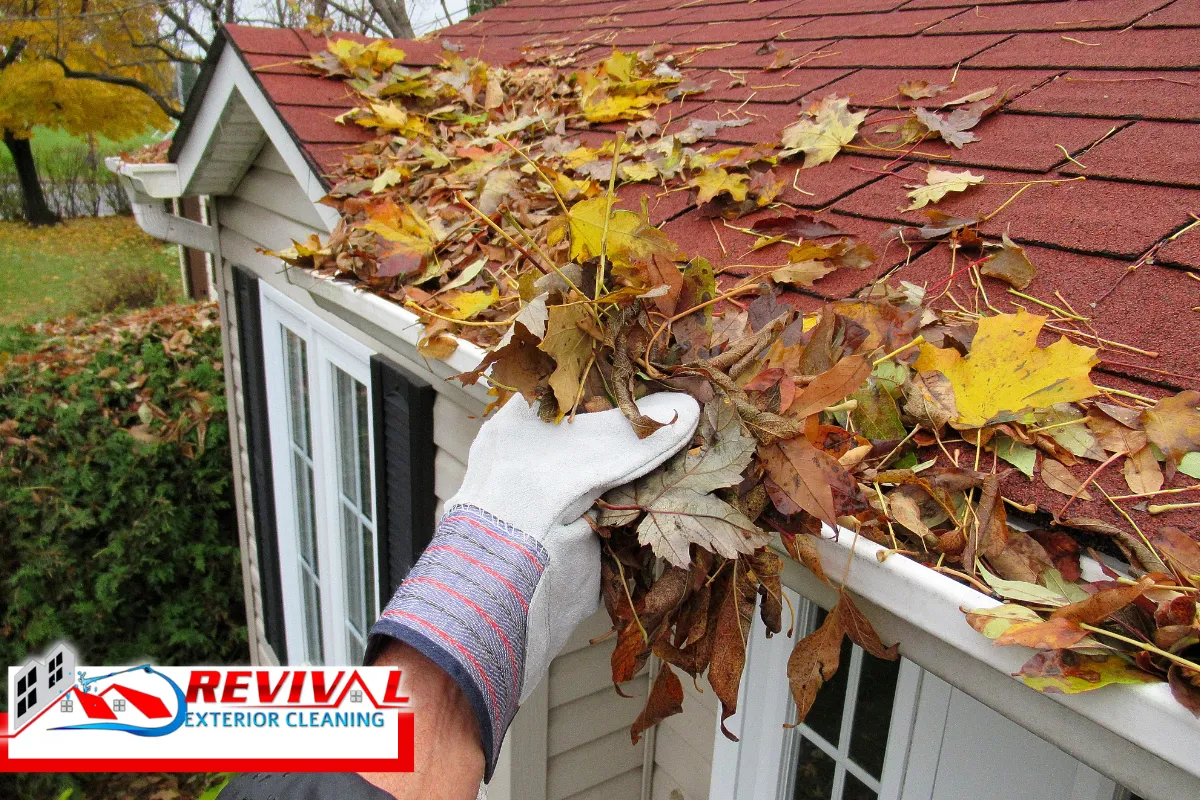
By now you know the general recommendations. This section converts that knowledge into a practical plan you can act on.
- Typical suburban home with moderate tree coverage: schedule professional cleanings in late May or early June and again in late November. After major storms, do a quick visual check from the ground for overflow or visible debris. Most homes fall into this category.
- Heavy pine or wooded lot: three cleanings per year in late spring, late November, and February. Add a storm-related visit if issues appear between scheduled dates. Properties with pine trees may require cleaning every three months to stay ahead of needle buildup.
- Newer neighborhood with minimal trees: annual professional cleaning in late fall plus semi-annual visual inspections from the ground. Even without overhead canopy, windblown seed pods and pollen still accumulate.
- Sync gutter work with other maintenance tasks like roof inspections, exterior washing, and window cleaning. Bundling visits reduces disruptions and often lowers per-visit costs.
- Track how fast your gutters fill during the first year or two. Adjust your plan based on what you actually observe rather than staying locked into a generic timetable.
Keep simple records of dates, weather patterns, and any observed issues. Share them with your chosen service provider so they can refine your schedule over time. Property managers and commercial properties benefit from the same approach, scaled to the number of buildings and the complexity of each roofline.
Gutter Cleaning in Charlotte, NC – Call Revival Today!
At Revival Exterior Cleaning & Pressure Washing, we provide thorough, professional gutter cleaning for homes throughout Charlotte, North Carolina and the prominent surrounding areas. We remove debris by hand, flush every downspout until water runs clear, and offer gentle exterior washing to restore curb appeal without damaging your home’s finish.
Our team uses proper safety equipment on every job and follows Charlotte regulations and manufacturer guidelines when working on your roof and gutter system. We treat your property with the same care we’d give our own.
Call us at (980) 264-2359 or fill out our online contact form to get a fast quote, ask questions about your property, or set up a recurring maintenance plan tailored to your trees, roof, and storm exposure. We help protect your roof, siding, and foundation so you can enjoy clean gutters and a well-maintained exterior without climbing a ladder or guessing when your next service is due.
Frequently Asked Questions
How Can I Tell from the Ground If My Gutters Are Flowing Correctly?
During a steady rain, walk the perimeter of your home and observe each downspout. You should see a continuous stream of water exiting at the bottom. If water is shooting over corners, pooling at valleys, or dripping behind the gutter run, there’s likely a blockage inside the trough or at the downspout inlet. After storms, check for damp streaks on your siding, washed-out mulch, or soil trenches below the drip line. These ground-level clues indicate overflow even when the gutter looks fine from below. Binoculars can help you spot debris piles near inlets without climbing a ladder. If problems persist despite clean-looking gutters, a professional should inspect internal clogs, pitch alignment, or undersized downspouts.
Is It Okay to Flush My Gutters with a Garden Hose Myself Between Professional Cleanings?
For single-story homes with safe, stable ladder access, a gentle hose flush can move light debris between professional visits. It is not a full substitute for hand cleaning, because hosing alone often pushes material into downspout elbows and underground drain lines, creating hidden blockages you cannot see or reach. If you choose to flush gutters yourself, prioritize safety: work only in dry, calm conditions, keep your hips between the ladder rails, and never lean to reach a distant section. Multi-story homes, steep roofs, or complex gutter layouts are better left to a professional. A partial flush may also mask a buildup problem that only a full hand cleaning would reveal.
How Often Should I Have My Downspouts and Buried Drain Lines Inspected?
Downspouts should be checked every time gutters are serviced. They are a common bottleneck in Charlotte’s debris-heavy seasons, especially at elbows and transitions to underground piping. Buried drain lines or extensions should be tested at least once a year. Run water from a garden hose at the gutter outlet and verify that strong, fast flow exits where the drain discharges at the surface. If you notice slow drainage, backflow at connections, or unexplained wet spots in the yard near drain routes, a professional should investigate for root intrusion, collapsed pipe, or packed debris. Catching drain line problems early prevents yard flooding and redirected water from reaching your foundation.
Does Installing Larger Gutters Reduce How Often They Need to Be Cleaned?
Upgrading from 5-inch to 6-inch gutters improves water-handling capacity during Charlotte’s intense downpours, but it does not slow debris accumulation. Leaves, needles, and seed pods collect at the same rate regardless of channel width. A wider trough may tolerate a small buildup without overflowing, but once debris reaches the outlet or downspout inlet, the result is the same: a clog that backs up water. Homes that overflow due to roof size or slope may benefit from larger gutters plus additional downspouts, but scheduled cleaning remains just as necessary. Any decision about resizing should include a conversation with a professional about roof design, downspout placement, and your property’s specific maintenance rhythm.
Can I Schedule Gutter Cleaning to Align with Other Exterior Services to Save Time?
Coordinating gutter service with other maintenance, like roof inspections, exterior washing, or window cleaning, is often the most efficient approach. Having gutters cleared before a full exterior wash prevents dirty rinse water from backing up through a clogged system and streaking freshly cleaned siding. Discuss your annual maintenance calendar with your provider so visits can be bundled where possible, cutting down on multiple trips and scheduling hassle. Many professional companies in Charlotte are set up to offer recurring service plans that automatically time gutter work around the area’s typical debris patterns, so you don’t have to remember to call each season.
Disclaimer: This article provides general guidance on gutter maintenance in Charlotte, NC based on local climate and conditions. It does not replace professional on-site assessment. Always verify compliance with current Charlotte and North Carolina regulations before performing or contracting exterior home services.
Read What Should I Do If Water Leaks Inside After Window Cleaning in Charlotte, NC?