Safe Window Cleaning Starts With Saying “No” to the Wrong Kind of Pressure
Window cleaning seems simple until a pressure washer cracks a pane, floods a wall cavity, or fogs a double-pane unit beyond repair. Homeowners in Charlotte watch online videos of power washers blasting grime off driveways and assume the same force is safe for glass. It is not. Using gentle cleaning methods is recommended for residential windows, and the difference between a clean house and a damaged one often comes down to technique. Fogged panes, warped frames, water intrusion behind walls, voided warranties; these are real outcomes of pointing a high-pressure stream at glass that was never designed to take it. The solution: controlled methods like soft washing, squeegee work, and professional techniques tailored to Charlotte’s climate and building styles. This article covers which windows you should never pressure wash, safer alternatives, and step-by-step tips to protect your property.
Key Takeaways
- Some windows should never be cleaned with a pressure washer, including older single-pane glass, insulated units with aging seals, decorative or stained glass, skylights, and any panes that already have chips or cracks.
- Too much pressure can break window seals, force water behind frames, etch glass, and void manufacturer warranties on modern insulated units.
- Soft washing windows and hand cleaning with squeegees and purified water are safer methods, particularly given Charlotte’s humid, high-pollen climate.
- When pressure washing near glass, proper technique matters: low PSI, wide-angle nozzles, safe distance, and a downward spray angle.
- Hiring an experienced local window cleaner in Charlotte, NC prevents costly mistakes like fogged panes, rotten frames, and interior water damage.
How Pressure Washing Works (and Why Glass Is Easy to Damage)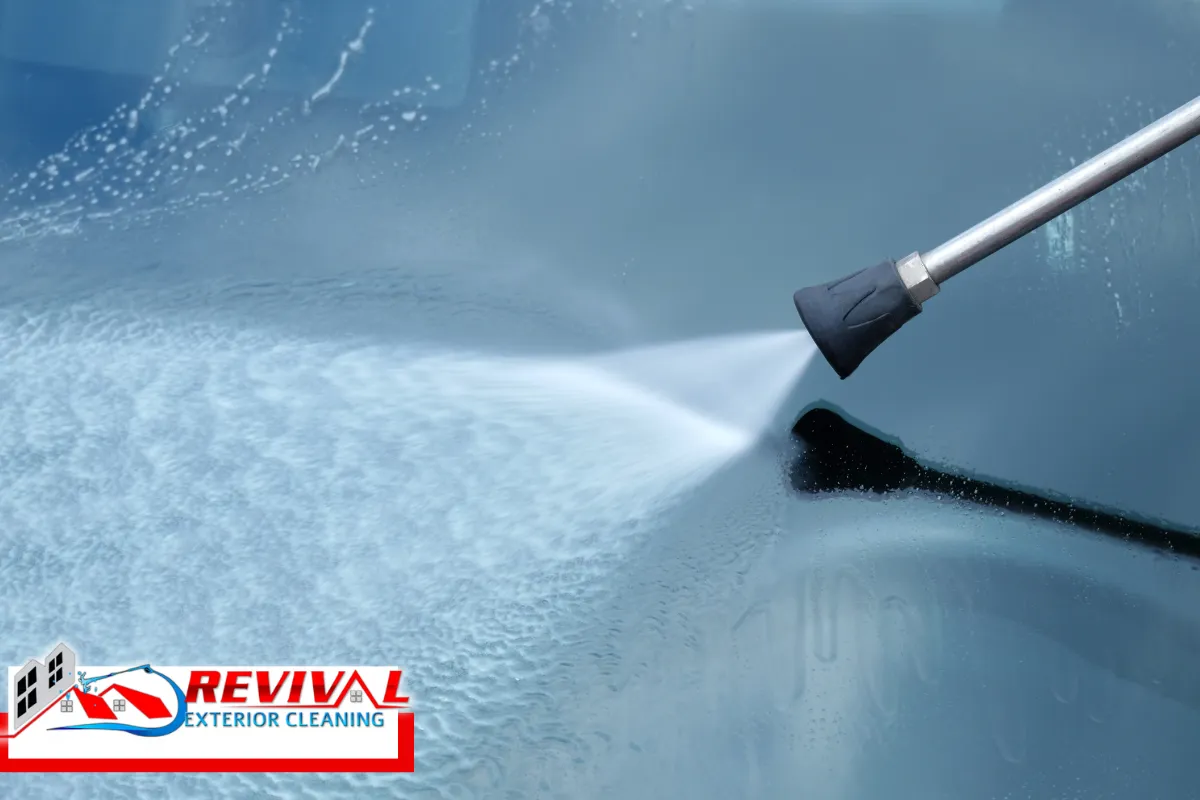
A pressure washer forces water through a narrow nozzle at anywhere from 1,000 to 4,000 PSI. The combination of water pressure, flow rate (measured in GPM), nozzle angle, and distance from the surface determines how much force hits whatever you are cleaning. A power washer does the same job but heats the water, which helps with grease and organic growth but does not change the mechanical impact on glass.
Residential windows, caulking, and seals were never engineered to handle concentrated jets of water at thousands of PSI. Glass is brittle under a focused line of force; small edge chips act as stress points where cracks spread. Insulated glass units rely on airtight perimeter seals to keep moisture out and inert gas fill inside. A direct blast can flex the pane, disturb those seals, and create problems you cannot reverse.
Charlotte homes often mix materials on the same wall: brick, vinyl siding, fiber cement panels, aluminum trim. The siding can handle more pressure than the glass beside it. That mismatch is where damage happens when a homeowner treats the entire exterior as one uniform surface and lets a machine do all the work without adjusting the approach.
Windows That Should NOT Be Cleaned With a Pressure Washer
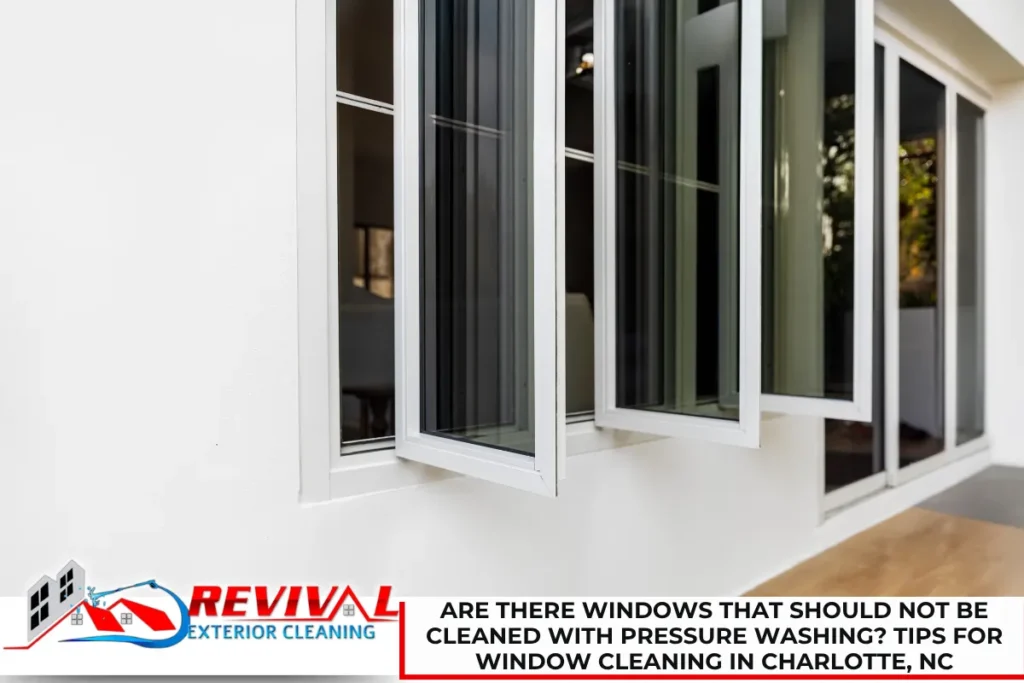
Not every window can tolerate the force of even a moderate pressure washer. The following types and conditions call for hand cleaning or soft washing instead:
- Older single-pane glass, especially in pre-1960 or historic homes. Older glass is thinner and more susceptible to cracking under high pressure, and the glazing putty holding panes in place is often already deteriorated.
- Insulated double-pane or triple-pane units with aging seals. If the perimeter seal is weakening, pressure can break it completely, letting moisture between panes and causing permanent fogging.
- Decorative, stained, or leaded glass. These have fragile joints and coatings that a concentrated spray can strip or shatter.
- Skylights and garden windows. Angled glass, multiple seams, and weaker framing make these easy to damage and hard to reach safely.
- Builder-grade vinyl windows common in Charlotte subdivisions. Glazing beads and frame joints on these units are thinner and less forgiving than premium products. A blast of high-pressure water near the seams can strip sealant or warp the frame.
- Any cracked or chipped pane. Existing damage becomes catastrophic failure under added force.
- Basement or egress windows near grade level. High pressure here can force water directly into framing cavities, crawlspaces, and the surrounding space beneath the house.
- Window screens. Screens should not be cleaned with high-pressure water as they may warp or tear. Remove them first and clean them separately with a soft brush and garden hose.
Wood-framed windows deserve a separate caution. Wood-framed windows may rot or be damaged by pressure washing because water driven into joints and end grain accelerates decay, especially in a humid climate. Many modern window manufacturers explicitly state in their official care and warranty documentation that directing high-pressure equipment at glass or perimeter seals voids the product warranty. If you value your coverage, opt out of pressure washing those units entirely.
Hidden Risks: What Too Much Pressure Does to Window Seals and Frames
The visible crack is not the only risk. Much of the damage from pressure washing windows happens where you cannot see it.
High-pressure washing can damage window seals and frames in ways that show up weeks or months later. Insulated glass units (IGUs) use a spacer system sealed with silicone and butyl compounds to create an airtight chamber between panes. When a tight spray pattern flexes the glass repeatedly or drives water into the seal, moisture enters the chamber. Double-pane windows can suffer from fogging when high pressure breaks those seals, and that fogging is permanent; no amount of wiping will remove condensation trapped inside the unit.
Beyond the glass itself, water forced into weep holes, caulk lines, and frame joints reaches materials that should stay dry. Wood surfaces can scar from high-pressure washing, and sustained moisture causes rot. Pressure washing can strip protective sealants from surfaces around the window, leaving frames and trim exposed to weather. High pressure can damage vinyl siding along the window perimeter, and it can chip paint on trim and surrounding surfaces. Even roof shingles above a window can lose granules if a careless upward spray reaches them.
In Charlotte, humidity is a constant factor. Trapped moisture from forced water intrusion feeds mold and mildew growth inside wall cavities around window openings. That mess is expensive to remediate, and it spreads quickly during the summer months when heat and humidity are at their peak. What starts as a quick exterior cleaning job can lead to a serious property repair.
Read What Should I Do If Water Leaks Inside After Window Cleaning in Charlotte, NC?
When You Can Safely Pressure Wash Near Windows (and How to Do It)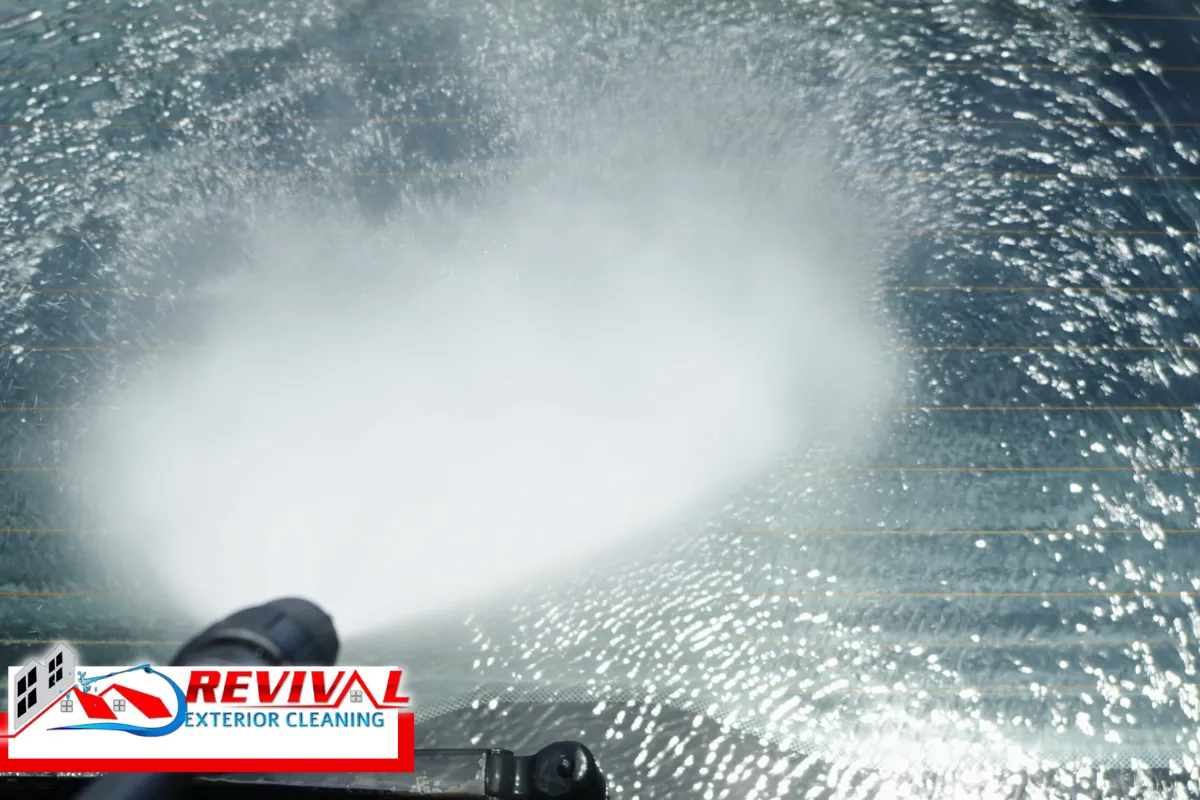
You do not have to avoid pressure washing your entire house just because windows are present. The key is treating the glass and seals as a “no direct hit” zone while cleaning siding, brick, or other surfaces nearby.
Best practices include using low pressure and maintaining distances from windows. Use a low-pressure setting to prevent damage, and keep the nozzle pointed away from glass at all times. Use wide-angle nozzles to prevent concentrated sprays that could cause damage; a 40-degree or 65-degree fan tip disperses force across a wider area, while a 0-degree or 15-degree tip concentrates enough power to crack glass or blow seals.
Here is a quick checklist:
- Keep the nozzle at least 12 inches away from surfaces, and several feet away from glass, seals, and frame joints.
- Angle the spray downward so water sheds away from the frame. Never spray upward under lap siding or into window weep systems.
- Start at the lowest setting. Gradually increase only until dirt lifts. If the surrounding surfaces are clean but the window still has buildup, switch to a hand tool for the glass.
- Test on an inconspicuous area before cleaning a full elevation.
- If you are working above 2,000 PSI on any part of the house, wear a full face shield and wear protective gear appropriate for the machine you are using. Protective gear reduces the risk of injury from ricocheting debris or spray.
- Never force water straight into corners, gaps, or frame seams.
Even with these precautions, there are windows where even low pressure is a bad idea. If a pane has chips, aging seals, or soft framing, hand wash it instead.
Safer Alternatives: Soft Washing Windows and Hand-Cleaning Techniques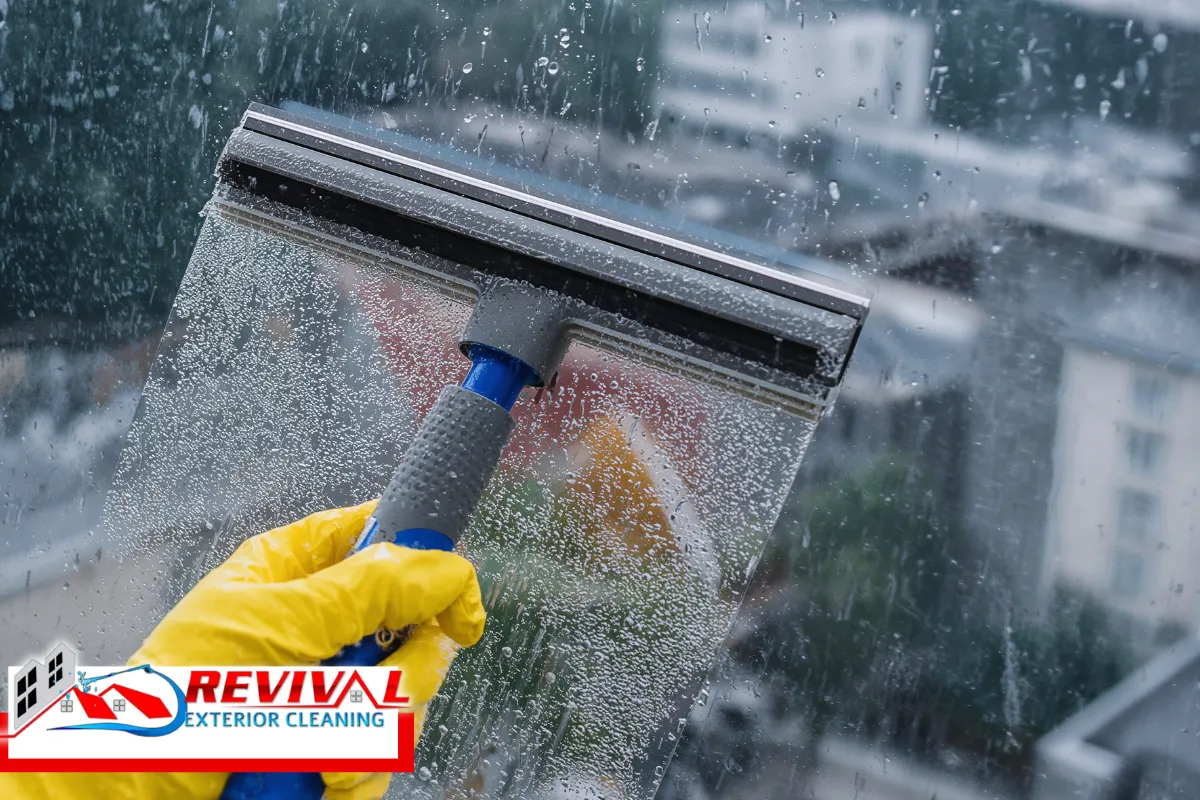
Not every exterior cleaning job requires brute force. Softer methods often leave glass cleaner and safer than any pressure washer can.
Soft washing uses low-pressure water (typically between 100 and 300 PSI) combined with biodegradable cleaning solutions designed for glass and frames. Using biodegradable detergents is safer for both windows and landscaping. Soft washing effectively removes moss, mold, and mildew without high pressure, and it prevents damage to surfaces like vinyl siding and roofs. Soft washing is ideal for cleaning delicate surfaces without causing harm, and it pairs well with a low-pressure house wash for siding, soffits, gutters, and decks.
For hand cleaning, the tools are straightforward: water-fed poles with purified or deionized water, microfiber scrubbers, and a quality squeegee. Purified water dries without mineral streaks, which matters in areas with hard water. A soft-bristle brush on an extension pole lets you clean second-story windows without ladder work and without the risk of dropping a machine from height.
Environmental regulations in Charlotte prohibit certain chemical runoff when cleaning exteriors. Soft washing solutions that are biodegradable and properly diluted help you stay compliant while still cutting through pollen, algae, and grime. You can mix a mild detergent with water in a pump sprayer, apply it to the glass, let it dwell for a few minutes out of direct sun, then rinse gently and squeegee dry.
Special Concerns for Window Cleaning on Charlotte, NC Homes
Charlotte’s humid subtropical climate creates a relentless cycle of buildup on exterior glass. Heavy spring pollen coats every surface in a yellow-green film. Frequent summer storms drive dirt and debris onto windows, and the humidity between storms keeps mildew spreading on frames and sills. Charlotte’s humidity causes windows to get dirty quickly, which tempts homeowners to reach for the most powerful tool in the garage.
Local tree species and nearby greenways amplify pollen and organic dust deposits. Homes near busy roads pick up road grime and fine particulate that bonds to glass over time. A mid-summer touch-up can refresh high-traffic areas before stains set. Schedule window cleaning after heavy pollen settles in spring, and plan an early fall cleaning to clear late-season mildew and stains before the weather cools.
Homeowners should clean windows two to four times per year to stay ahead of Charlotte’s conditions. Multi-story homes and steep lots are common across the area, making safe ladder work and fall protection a priority. If you cannot safely walk around your property and reach every window from the ground or a stable platform, consider bringing in a professional team with extension equipment and security harnesses.
Step-by-Step Guide to Safely Clean Exterior Windows Without Damage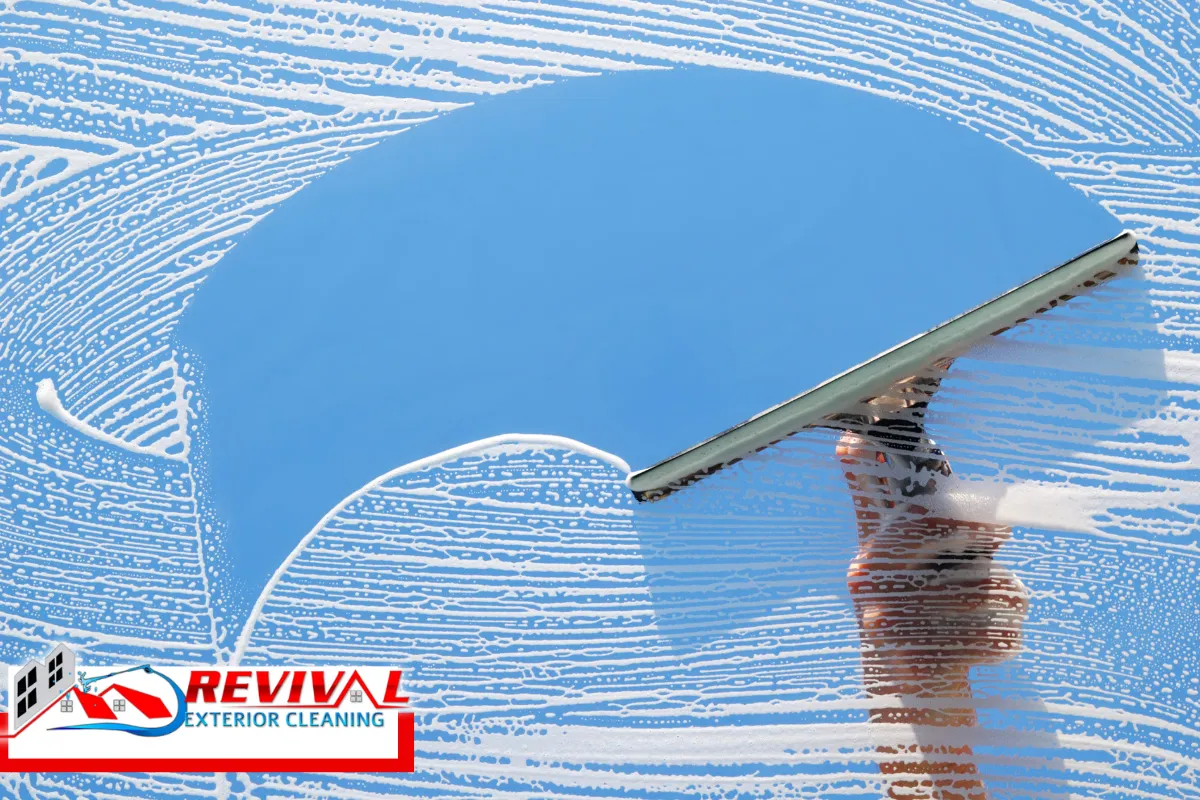
Follow this process to clean exterior windows without cracking glass, damaging seals, or flooding your rooms with unwanted moisture.
- Inspect each window before you start. It is advisable to inspect windows for pre-existing damage before washing. Walk the perimeter of your house and look for cracks, loose caulk, failed seals, damaged screens, and soft or rotted framing. Mark any compromised windows for hand washing only.
- Clear the area. Always clear the area of debris before pressure washing. Move pets, outdoor furniture, and anything else away from the work zone. Pick up sticks, leaves, and loose dirt from window sills and the ground below.
- Pre-rinse with a garden hose or a pressure washer set below 500 PSI. Use a broad fan nozzle aimed at the siding and frame, not directly at the glass or joints. Rinse top to bottom so water flows naturally downward. Never operate a gas-powered pressure washer indoors or in enclosed, unventilated spaces due to severe carbon monoxide poisoning risks.
- Apply a suitable cleaner. Use a soft applicator or strip washer dipped in a mild detergent solution. In Charlotte, look for products that address pollen, dust, and light mildew. Let the solution dwell for a minute or two, but not in direct sun where it will dry and leave residue.
- Squeegee the glass. Start at the top and pull downward in overlapping strokes, wiping the blade between each pass for a streak-free finish. Detail the edges with a lint-free cloth. Routine cleaning prevents hard water deposits and stains from bonding permanently to the glass.
- Clean screens separately. Remove screens, lay them flat on a clean surface, scrub gently with a soft brush and hose, then let them air dry before reinstalling.
This complete process protects your windows, your frames, and the surrounding materials from unnecessary force and moisture damage.
Why Hiring a Professional Window Cleaner Often Makes Sense
Experienced technicians know which windows can and cannot handle pressure and how to adjust their equipment for each situation. A professional service brings tools most homeowners do not own: water-fed poles, deionized water systems, extension rigs, and proper safety harnesses for higher windows. Professional services use specialized equipment for streak-free results that are difficult to replicate with a bucket and rag.
Professional window cleaning improves natural light in homes by removing layers of grime, pollen, and mineral deposits that accumulate over months. That difference is noticeable in every room the sun reaches. Professionals also spot issues like deteriorating caulk, soft wood, or failing seals during the job, giving you a prompt heads-up before a small problem becomes an expensive repair.
Professional window cleaning can be scheduled two to four times a year, matching Charlotte’s seasonal cleaning needs. Compared to the cost of replacing a fogged insulated glass unit or repairing rotten window sills and interior water damage from a DIY pressure washing mistake, hiring a qualified window cleaner is a practical investment in your property and curb appeal.
Window Cleaning in Charlotte, NC – Contact Revival Today!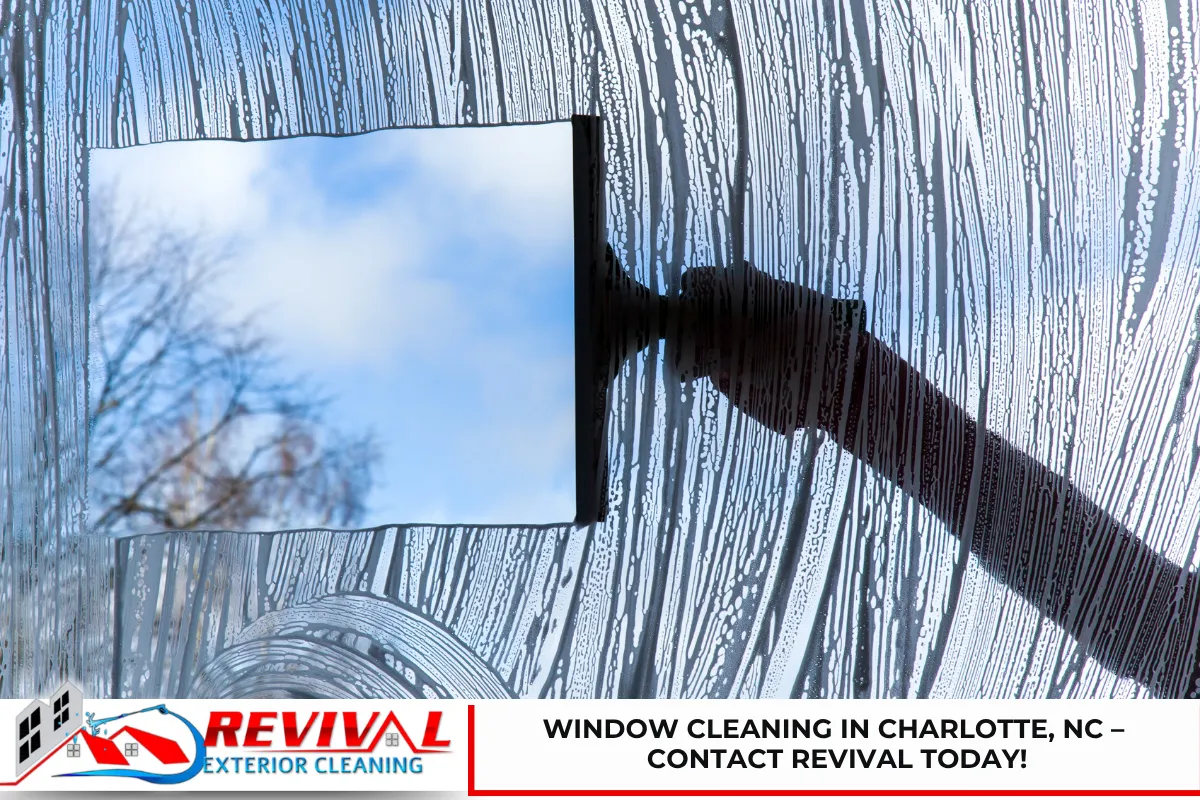
At Revival Exterior Cleaning & Pressure Washing, we take pride in protecting your home while delivering spotless, streak-free glass. We specialize in window cleaning for Charlotte, North Carolina homes and the prominent surrounding areas, using safe soft-wash and hand-wash methods that keep seals intact and frames undamaged.
Our team evaluates every window on your property before we begin. We never blast delicate glass with too much pressure, and we coordinate our window service with any house washing, gutter cleaning, or siding work you have on your schedule. We are committed to doing the job right.
Call us at (980) 264-2359 or fill out our online contact form for a quote. We would be polite and prompt, and we would love to hear from you. Let us handle the dirty work so you can enjoy clean windows and a beautiful home.
Frequently Asked Questions
Can I pressure wash my windows if I keep the pressure low?
Low pressure reduces risk, but it does not eliminate it. Even at 500 to 800 PSI, a narrow nozzle held too close can flex glass, disturb weatherstripping, or force water behind caulk joints. If you choose to use a pressure washer, select a 40-degree or wider fan tip, stay several feet from the glass, and avoid directing the stream at seams or corners. Windows with existing chips, old putty, or aging seals should not be pressure washed at any PSI. For those, a hand wash with a squeegee and mild detergent is the only safe option. When in doubt, test an inconspicuous pane first and watch for vibration or water behind the frame.
How often should exterior windows be professionally cleaned in Charlotte’s climate?
Most Charlotte homeowners benefit from cleaning exterior windows two to four times per year. A spring cleaning after pollen season clears the heaviest buildup. A summer touch-up handles storm splash and humidity-driven mildew. A fall round removes late-season grime before winter. Homes near wooded lots, busy roads, or construction zones may need quarterly visits. Businesses may benefit from monthly or quarterly window cleaning to maintain a professional appearance and keep natural light flowing into customer-facing spaces. The key is consistency; routine cleaning prevents mineral deposits and organic stains from bonding to glass permanently.
What are signs that my window seals were damaged by past pressure washing?
The most common indicator is condensation or fogging between the panes of a double- or triple-pane unit. If you see a hazy film inside the glass that does not respond to wiping from either side, the perimeter seal has failed and moisture has entered the chamber. Other signs include visible gaps in the caulk around the frame, drafts near the window even when closed, water stains on the interior sill or wall below the window, and a noticeable drop in energy efficiency. If you notice any of these after a pressure washing session, have a window professional inspect the unit. Replacement of the insulated glass unit is usually the only fix once the seal is broken.
Is it safer to pressure wash window screens while they are installed?
No. Always remove screens before cleaning them. Screens are made of thin mesh, typically aluminum or fiberglass, stretched across a lightweight frame. A pressure washer can tear the mesh, bend the frame, or push the screen out of its track entirely. Once removed, lay the screen flat on a soft surface like grass or a towel, scrub gently with a soft brush and garden hose, and let it dry completely before reinstalling. Cleaning screens separately also gives you access to the window frame and sill behind them, where dirt, mold, and insect debris tend to accumulate in Charlotte’s warm weather.
What should I ask a contractor before they pressure wash around my windows?
Ask five specific questions. First, what PSI and nozzle type will they use near glass? Anything above 1,000 PSI with a narrow tip is a red flag. Second, do they carry liability insurance that covers damage to windows, siding, and interior finishes? Third, will they inspect each window for pre-existing damage before starting? Fourth, do they use soft washing methods for glass and delicate trim, or do they rely solely on a pressure washer for the entire house? Fifth, can they provide references from other Charlotte customers whose homes have similar window types? A business that answers these questions confidently and adjusts their process based on your home’s specific materials is one worth hiring.
Disclaimer
This article provides general information for Charlotte, NC homeowners. It does not replace on-site inspection, manufacturer care instructions, or professional technical advice. Consult a qualified contractor before using pressure equipment near windows.
Read Is Pressure Washing Recommended After Storms in Charlotte, NC?