Is Pressure Washing After Charlotte Storms Really Necessary?
Pressure washing is one of the first things Charlotte, NC homeowners consider after a severe thunderstorm or hurricane remnant rolls through the area. The mess left behind is real: mud streaks across the driveway, leaf tannin stains on the siding, and a thin film of grime coating windows and trim. Rain alone does not remove these contaminants.
What many people overlook is the slower damage. Lingering moisture feeds mold and mildew that spread across shaded walls, slippery walkways become a safety hazard, and curb appeal drops week by week. Left unaddressed, these issues shorten the life of your building materials.
The solution is straightforward. A properly planned pressure wash or soft wash, using the right cleaning methods and equipment, can safely restore your property and prevent long-term problems before they take hold.
Key Takeaways
- Yes, pressure washing is often recommended after strong storms in Charlotte, NC, but only once surfaces are structurally sound and standing water has receded.
- Storms leave behind mold, algae, black streaks, silt, and embedded debris that rain alone cannot remove from exterior surfaces around your property.
- Soft washing and adjusted low or high pressure settings should be selected based on the material involved, whether that is vinyl siding, concrete, roofing, or a composite deck.
- Proper timing is critical after storms for effective cleaning, and homeowners should always inspect for damage before any wash takes place.
- Working with a local pressure washing company helps Charlotte residents meet environmental and safety guidelines while protecting their investment.
Charlotte’s Storm Patterns and How They Affect Exterior Surfaces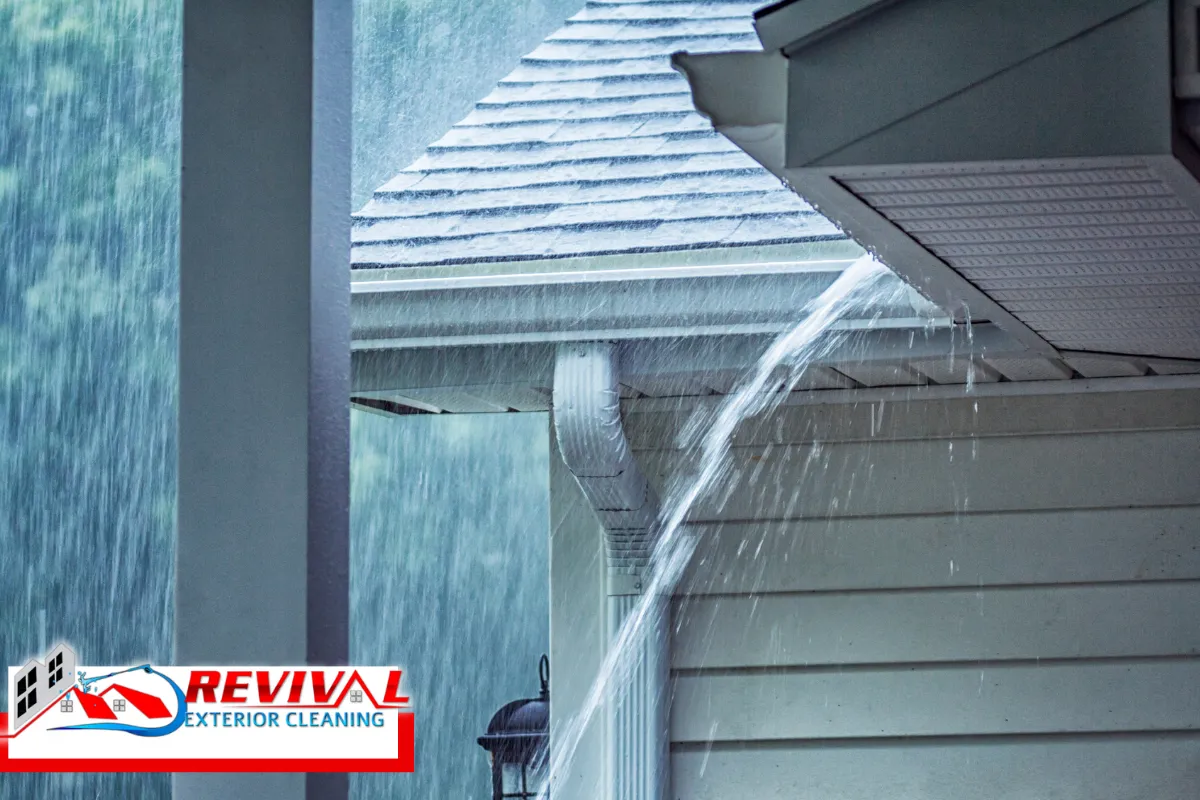
Charlotte averages roughly 43 inches of precipitation each year, spread across approximately 112 days with measurable rainfall. Summer thunderstorms, tropical remnants, and prolonged humid stretches make the region one of the more demanding climates for house exterior maintenance east of the Appalachians.
Driving rain and wind push water and debris under siding laps, into brick pores, and across concrete and paver joints. This creates trapped moisture and dirt pockets that ordinary garden hose rinsing cannot reach. Tree-heavy neighborhoods commonly see leaf tannin stains, organic buildup, and black streaks on roofs, gutters, and siding after each storm event.
High humidity in Charlotte promotes mold growth after storms, and the repeated wet-dry cycles in the NC area accelerate algae and mildew development. North-facing walls, shaded patios, and composite decks are especially vulnerable. Humidity after storms creates ideal conditions for mold and mildew growth on nearly every exterior surface around the home.
Beyond biologicals, airborne pollutants and pollen combine with storm water to form a dull grime film on paint, windows, and trim. Over time, dust and soot settle into textured materials, making them harder to clean with each passing season.
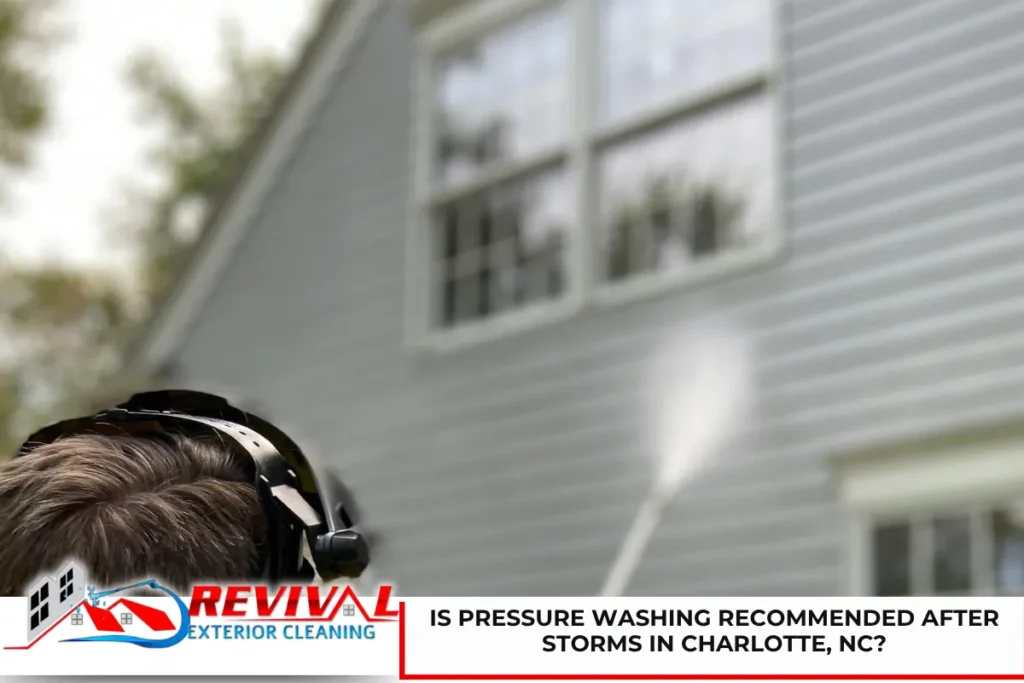
Is Pressure Washing Recommended After Storms in Charlotte, NC?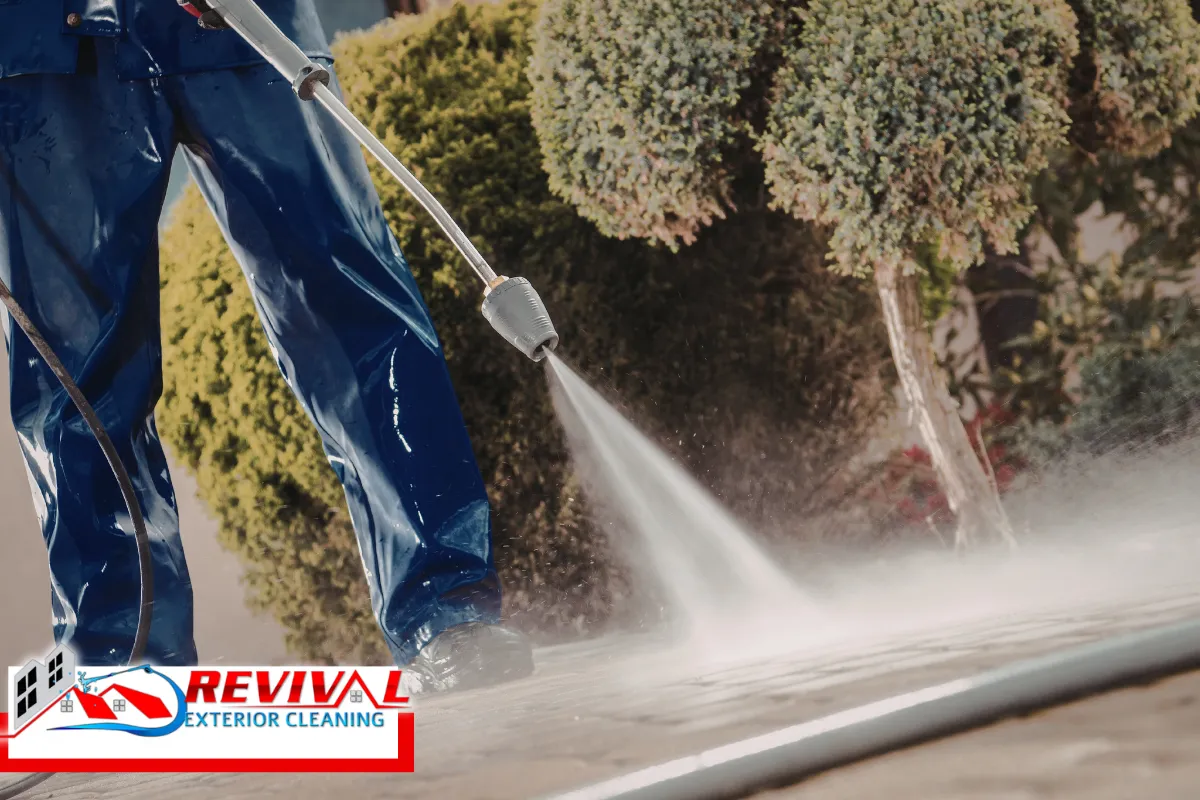
The direct answer is yes. Exterior cleaning is often recommended after moderate to severe storms, but it must be timed correctly and tailored to each surface. Cleaning is important after a storm to remove contaminants that can degrade siding, concrete, and wood if left in place.
A post-storm pressure wash is most beneficial when there is visible dirt, organic growth, or slippery buildup on driveways, patios, and entryways. Pressure washing removes storm debris from surfaces and helps restore the property to pre-storm condition. It can also be effective for removing mud and silt that settle across flat hardscapes during heavy downpours.
Storm runoff rarely removes embedded contaminants. Instead, it spreads them, making professional cleaning solutions and controlled water pressure important for an efficient result. Specific scenarios where washing is advised include:
- Silt-covered concrete on walkways and patios
- Green algae streaks on siding and trim
- Stained fences and gates coated in organic matter
- Clogged, streaked gutters with visible overflow marks
There are also situations where the job should be delayed or avoided entirely: standing flood water around the foundation, compromised structure, loose siding, or recent roof damage awaiting inspection. Scheduling a wash before these issues are resolved can make problems worse.
Common Post-Storm Contaminants Around Charlotte Homes
What storms leave behind is often invisible at first glance but becomes a long-term maintenance problem if ignored. Understanding what is on your surfaces helps determine the right cleaning method.
Storms can leave behind corrosive debris that damages surfaces over time. Here are the most common contaminants Charlotte residents deal with after severe weather:
- Organic growth: Mold, mildew, algae, and lichen feed on moisture and shade. They thrive on vinyl siding, brick, stucco, and painted wood. Left unchecked, they eat into material integrity and leave permanent discoloration.
- Black streaks: Those dark runs on roofs and gutters typically come from algae colonies, specifically a species called Gloeocapsa magma, combined with decomposing organic matter washed down the roof line.
- Gritty sediment: Sand, silt, and fine clay soil driven across concrete by heavy rain can etch or stain porous material if it dries and packs into the surface texture.
- Pollution-based grime: Soot, tire residue, oil, and airborne pollutants bind to wet surfaces during storms and create a dull, gray film across building exteriors, windows, and painted trim.
Each of these requires a different approach, which is why one-size-fits-all cleaning rarely produces an excellent job.
When It’s Safe to Pressure Wash After a Storm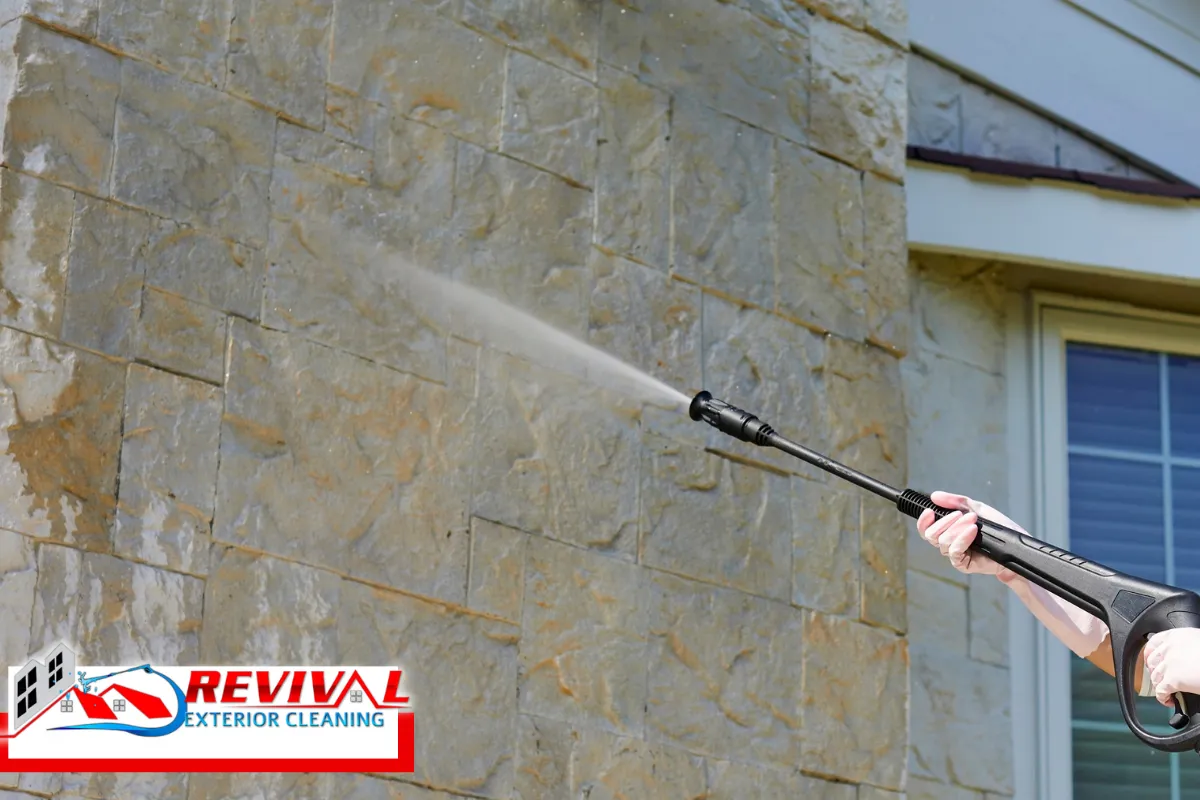
Safety and timing are the two most important factors before scheduling any pressure cleaning in Charlotte. Rushing the process can cause more harm than the storm itself.
Before any wash takes place, homeowners should inspect for storm damage. Walk the property and check for:
- Missing or lifted roof shingles
- Loose trim, cracked stucco, or warped siding panels
- Leaning fences, shifted pavers, or cracked retaining walls
- Damaged exterior outlets, exposed wiring, or low-hanging power lines
Electrical safety matters. Avoid washing around exposed wiring or damaged fixtures until a qualified electrician has cleared the area. Water and electricity near each other create serious hazards that no amount of caution with a pressure washer can fully mitigate.
Surfaces should be free of standing water and major structural damage before cleaning begins. Heavy moisture in siding and other materials affects cleaning effectiveness and can lead to water being driven into wall cavities or behind building wrap. Pressure washing cannot repair structural damage from storms, so those issues need to be addressed first.
Heavy equipment should not be used on saturated soils around retaining walls, deck footings, or paver patios until the ground has drained and stabilized. Give foundations and low-lying areas at least 24 to 48 hours to dry before scheduling work, depending on temperature and humidity levels.
Proper timing is what separates a successful clean from a costly mistake.
Read How Long Should I Wait Before Painting After Pressure Washing in Charlotte, NC?
Choosing the Right Cleaning Methods for Storm-Damaged Surfaces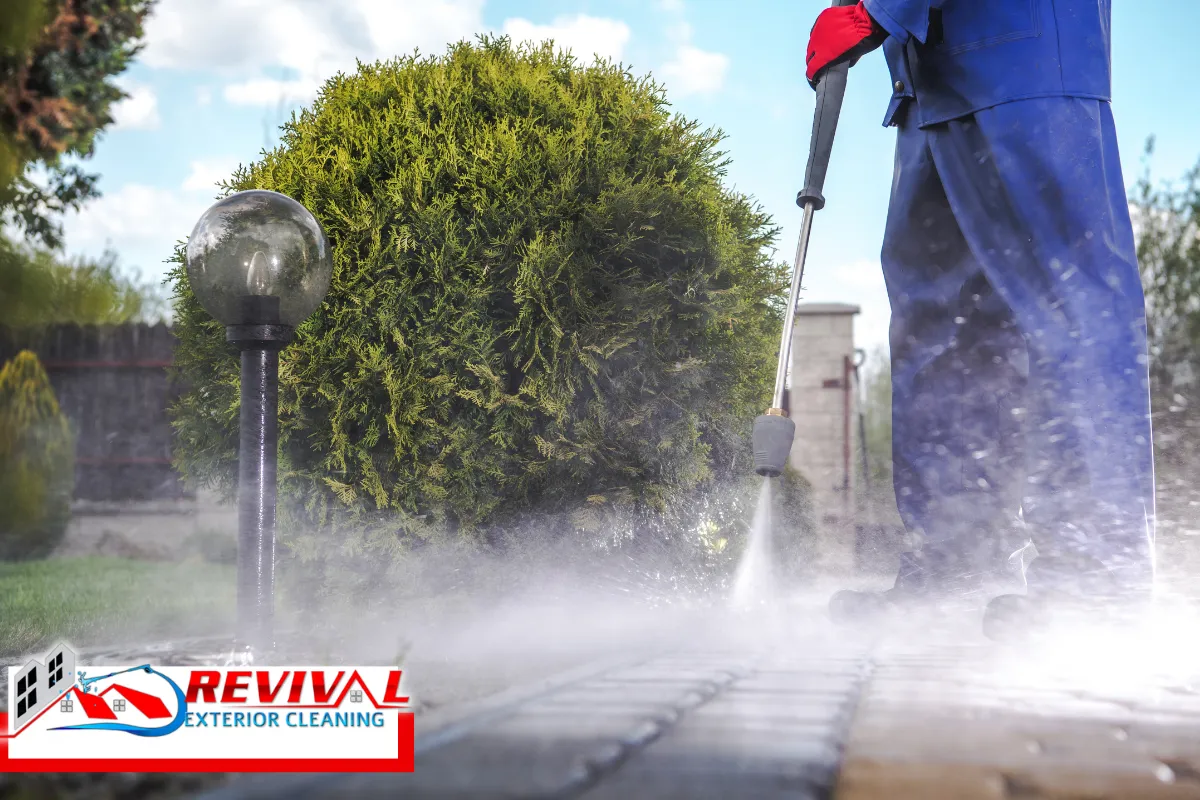
Not every surface responds to the same approach. The difference between a great outcome and a damaged exterior often comes down to selecting the correct method, nozzle, and cleaning solution for the material at hand.
Soft Washing for Sensitive Materials
Soft washing is safe for vinyl siding, roof shingles, painted trim, stucco, and older brick.It uses low pressure, typically between 100 and 300 PSI, combined with specialized biodegradable cleaning solutions that do the heavy lifting. The chemicals loosen dirt, kill mold and algae at the root, and the gentle rinse carries everything away without forcing water behind overlaps or into mortar joints.
A low-pressure soft wash prevents damage to delicate surfaces and is the only method endorsed by roofing manufacturers for asphalt shingle cleaning. The Asphalt Roofing Manufacturers Association specifically warns against using high pressure or brushes on roof surfaces, as doing so strips protective granules and voids warranties.
High Pressure for Durable Hardscapes
Concrete driveways require high-pressure cleaning to remove grime, packed sediment, and biological growth. For hard surfaces like driveways, sidewalks, and certain types of stone, pressure washing uses 1,500 to 3,500 PSI of water delivered through fan-tip nozzles at a 25 to 40 degree angle. Using the right pressure prevents damage to surfaces while still delivering a thorough clean.
Professional cleaning solutions are selected based on whether the primary issue is organic growth, tannin staining, rust, or general buildup. A targeted approach is always more efficient than blasting everything with the same settings.
Why Most Homes Need Both
Most homes need both pressure and soft washing methods to achieve a complete result. The driveway cleaning might call for high pressure, while the house exterior two feet away needs a gentle soft wash. Homeowners should avoid DIY use of a small pressure washer on roofs, damaged wood, or fragile surfaces, since post-storm materials may be more vulnerable than they appear.
Benefits of Post-Storm Washing for Curb Appeal and Longevity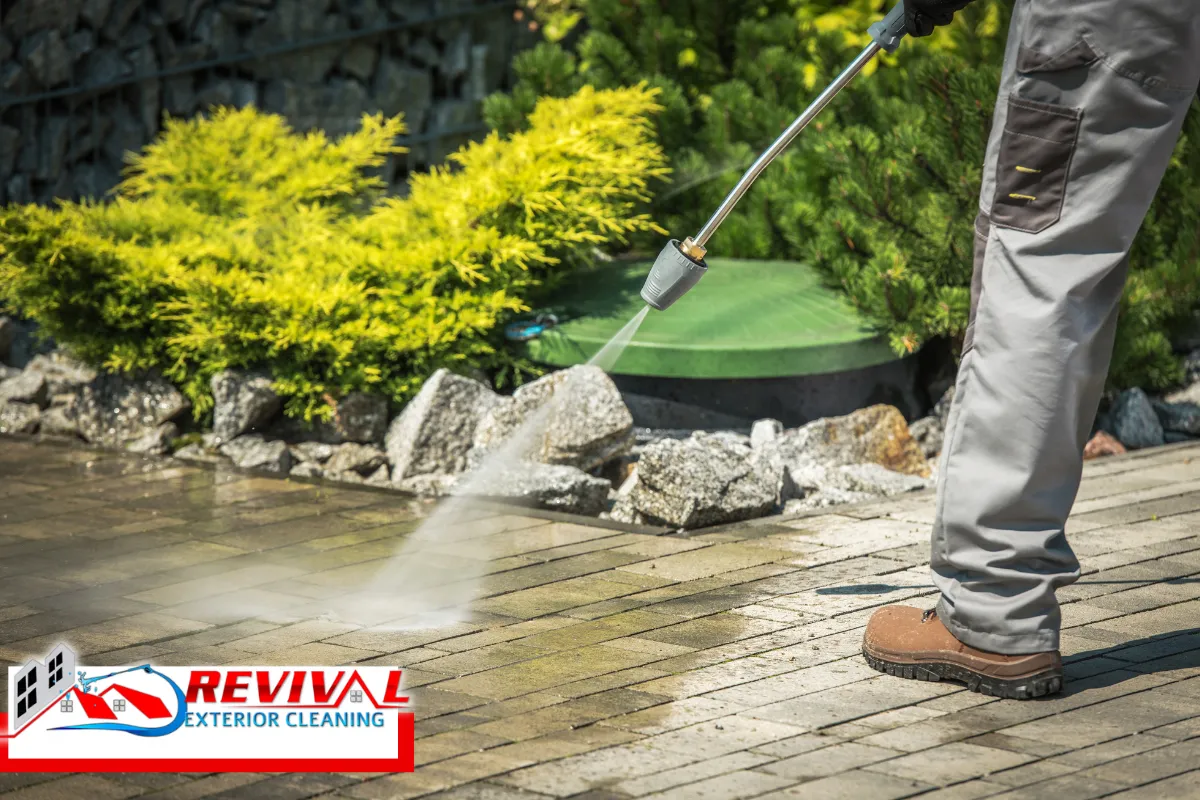
Charlotte homes face repeated storm seasons, and each one layers more grime, biologicals, and sediment onto exterior surfaces. Prompt cleaning can prevent mold and mildew from establishing a foothold that becomes exponentially harder to remove later.
Here is what consistent post-storm care delivers:
- Material protection: Cleaning prevents staining from setting into porous materials like concrete, brick, and wood, reducing the need for repainting or early replacement. Pressure washing can remove years of accumulated dirt and algae in a single session.
- Curb appeal: Brighter siding, clean concrete, and a refreshed deck help maintain property value in competitive Charlotte neighborhoods where appearance matters to buyers and neighbors alike.
- Safety: Pressure washing can prevent slips and falls caused by debris, slick algae films, and mud on steps, walkways, and entryways. This protects your family, visitors, and customers if the property is commercial.
- Maintenance visibility: Consistent exterior cleaning supports proper drainage, reveals hidden damage early, and makes routine inspections of the roof, siding, and foundation easier to assess.
One important note: post-storm cleaning should not replace routine maintenance. It is a response to specific weather events, not a substitute for the regular schedule that keeps your home in top condition year-round.
Local Considerations: Charlotte, NC Guidelines and Environmental Care
Storm-related pressure washing in Charlotte must account for local regulations and environmental protection practices that many homeowners are unaware of.
Charlotte-Mecklenburg Storm Water Services enforces best management practices for mobile washing operations and residential exterior cleaning. The key rule: wash water containing detergents, debris, or pollutants must not enter the stormwater system. Roof drains should be blocked, and runoff should be directed to landscaped areas or collected for proper disposal. Proper runoff containment and adherence to Charlotte-Mecklenburg Storm Water Services guidelines are essential to prevent illicit discharges, as chemical-laced wastewater entering storm drains can result in municipal fines.
Protect landscaping from harsh runoff when using any cleaning chemicals. Reputable pressure washing professionals in the NC area pre-wet plants and cover sensitive beds before applying any cleaning solution. They also use dilution rates and dwell times that align with manufacturer recommendations for the siding, roofing, and paint systems installed on local Charlotte homes.
Homeowners should verify that any pressure washing company they hire is fully licensed, properly insured, and uses equipment suited to residential neighborhoods. HOA and community rules may also restrict exterior cleaning during certain hours, require water containment, or establish noise restrictions, so it is worth checking those guidelines before scheduling the work.
Working With a Professional Pressure Washing Company After a Storm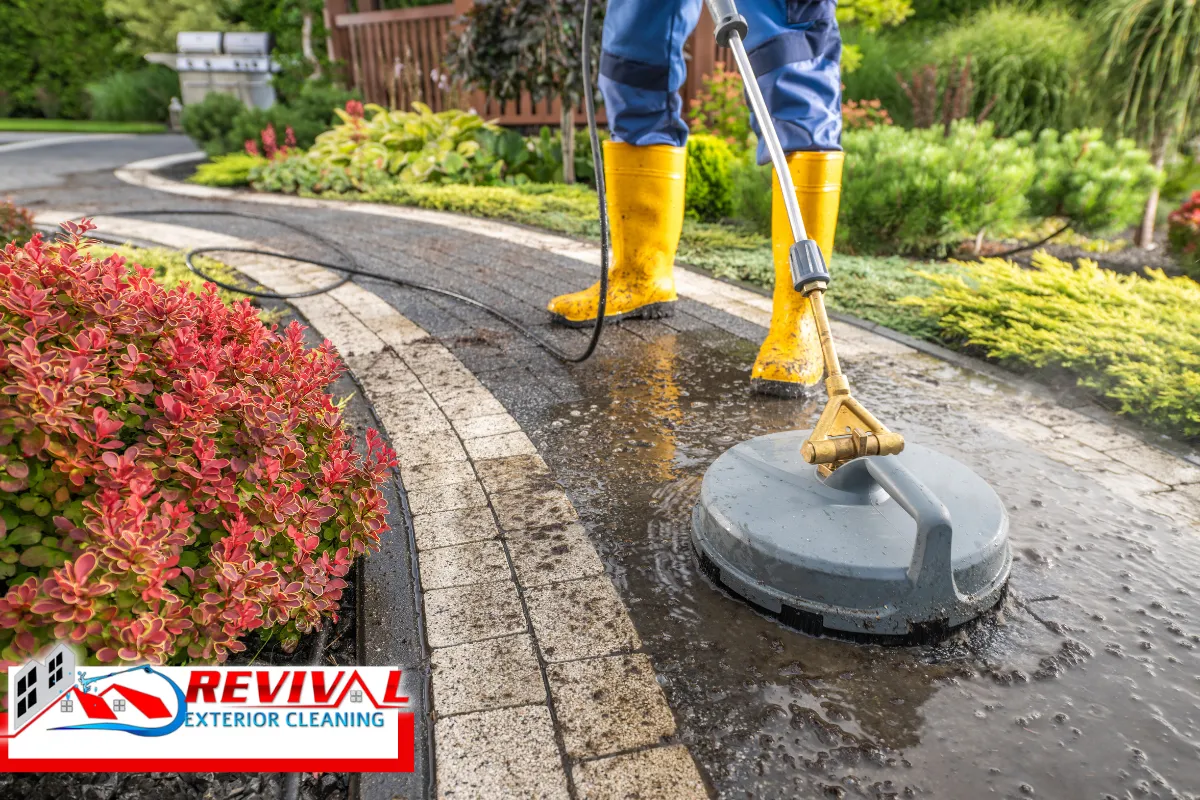
Professional help is especially valuable after significant storms in Charlotte, NC, because trained teams bring both the equipment and the surface knowledge needed to avoid costly mistakes.
A qualified technician starts by inspecting the property, identifying vulnerable areas, and recommending whether to pressure wash, soft wash, or postpone cleaning until repairs are complete. This assessment step is what separates a careful professional from someone who simply shows up with a wand and starts spraying. Professional pressure washing is safe for pets and landscaping when performed by a team that follows proper protocols.
When calling for service, homeowners should have this information ready:
- Date and severity of the storm
- Visible issues such as staining, debris, or standing water
- Materials on the home, including siding type, roof material, and deck composition
- Any previous exterior cleaning methods or recent repairs
Requesting a free quote that clearly outlines which surfaces will be treated, what cleaning solutions are planned, and estimated timing helps set expectations. An established local provider can also coordinate with other post-storm services like gutter maintenance and minor exterior repairs, making the recovery process more efficient and less stressful.
Pressure Washing in Charlotte, NC – Reach Out to Revival Today!
At Revival Exterior Cleaning & Pressure Washing, we understand what Charlotte storms do to your home. Our team serves Charlotte and the prominent surrounding areas, including Mint Hill and Indian Trail, delivering pressure washing services that are tailored to the specific weather patterns and staining issues our customers deal with season after season.
We assess each property before we start, choosing the right combination of soft washing and controlled high pressure settings to protect your siding, roof, deck, driveway, and every other exterior surface. Our pressure washing process is designed to achieve results without compromising the integrity of your building materials or your landscaping.
Ready to schedule an inspection or get a free quote? Call us at (980) 264-2359 or fill out our online contact form. Whether you need post-storm cleanup or year-round maintenance, Revival Exterior Cleaning & Pressure Washing is the pressure washing company Charlotte residents trust to do an excellent job every time.
Frequently Asked Questions
How soon after a heavy storm in Charlotte can I safely schedule exterior cleaning?
Most properties can be evaluated within a day or two after the weather clears, but the actual wash should wait until standing water has drained and surfaces are stable. Roofs and saturated soils around foundations typically need at least 24 to 48 hours to dry, depending on temperature and humidity levels in Charlotte. If there is suspected structural or roof damage, homeowners should schedule inspections and complete repairs before any cleaning begins. A professional provider can help determine ideal conditions and timing based on the specific storm event and the materials used on the home, ensuring the cleaning is both safe and effective.
Will post-storm washing remove all the stains from my driveway and sidewalks?
Most organic growth, dirt, and surface-level stains respond well to proper driveway cleaning and controlled water pressure. However, some rust, oil, or deep tannin stains may require targeted treatments with specialized chemicals. Older, deeply embedded discoloration in porous concrete might lighten significantly but not always disappear completely in a single visit. A technician can pre-treat specific problem areas with the right cleaning solution before applying high pressure to the surrounding area. Discussing expectations ahead of time helps homeowners understand what results to expect and whether follow-up treatments are needed.
Can I perform post-storm cleaning myself with a small consumer pressure washer?
Light rinsing of simple, durable surfaces is possible for some homeowners, but storm-weakened materials and hidden damage make DIY work risky. Incorrect nozzle choice, excessive pressure, or the wrong spray angle can force water behind siding, strip paint, or scar concrete, especially when surfaces are already stressed from weather. Pressure washing professionals have adjustable equipment, surface knowledge, and cleaning solutions designed for mold, algae, and storm-related staining. At minimum, homeowners should consult with a local expert before attempting extensive cleaning after a significant weather event to avoid causing damage that costs more than the service itself.
How often should I schedule exterior washing in Charlotte if my home sees frequent storms?
Regular cleaning every one to two years is standard maintenance for exteriors, and most homes in Charlotte need cleaning on that schedule to maintain their appearance and material life. Properties near wooded areas, lakes, or with persistent moisture and shade may require annual cleaning to keep mold, algae, and tannin stains under control. Commercial properties often benefit from servicing every six to twelve months due to higher foot traffic and visibility demands. Adding targeted touch-ups for driveways, high-traffic walkways, and patios after particularly messy storm seasons helps fill the gap between full washes.
Does post-storm pressure cleaning help with indoor air quality or is it just cosmetic?
While exterior washing is primarily an outdoor maintenance task, removing mold and mildew from exterior surfaces can indirectly benefit indoor air quality. Less mold growth on siding near doors and around windows reduces the chance of spores entering through gaps, vents, and frequently used entry points. Pairing exterior washing with proper caulking, ventilation checks, and interior humidity control can create a healthier overall environment for your household. The main purpose remains protection of building materials and curb appeal, but the indoor benefits are a helpful secondary effect that many Charlotte homeowners appreciate, especially during the high-humidity months of summer.
Disclaimer: This article provides general guidance on post-storm exterior cleaning in Charlotte, NC. It does not substitute for professional structural inspections, licensed contractor assessments, or legal advice regarding local ordinances and stormwater regulations. Always verify current rules with Charlotte-Mecklenburg authorities before scheduling exterior work.
Read Can Pressure Washing Remove Moss From Concrete in Charlotte, NC?