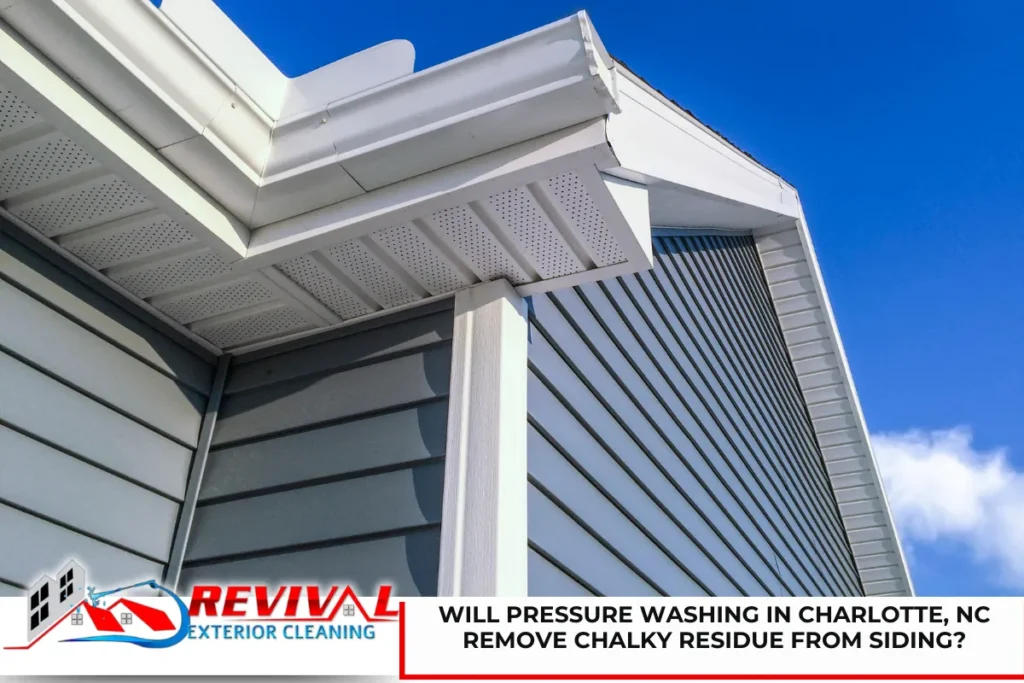
Pressure Washing in Charlotte, NC is one of the most common solutions homeowners consider when they notice a white, chalky film forming on their siding. That powdery residue makes your home look faded, neglected, and older than it really is. If left untreated, it can spread, trap dirt, and affect future paint adhesion. Many homeowners try scrubbing by hand or using a garden hose, only to find the residue keeps coming back. The good news? In many cases, professional pressure cleaning can remove or significantly reduce chalking when done correctly. However, the method, pressure level, and cleaning solution all matter. Let’s break down what chalky residue really is and whether power washing is the right fix for your Charlotte home.
What Is That White, Chalky Film on Your Siding?
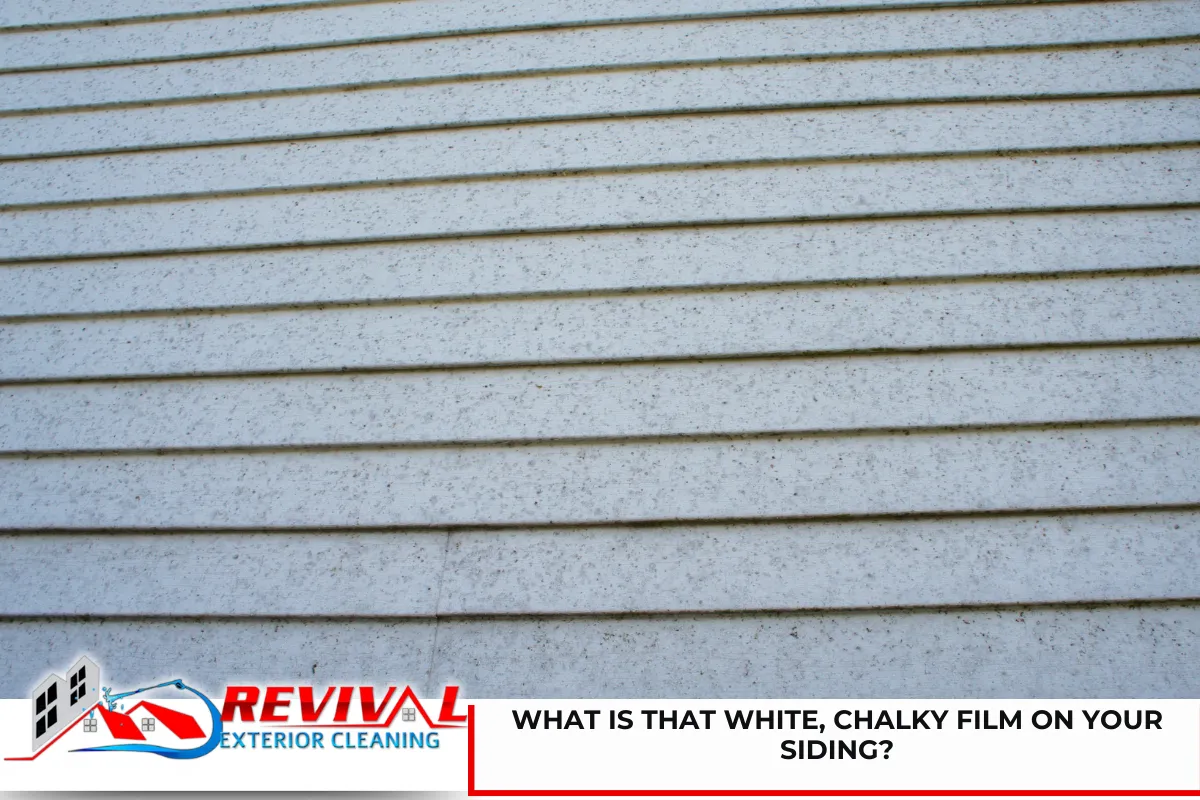
If you run your hand across your siding and it comes away dusty or powdery, you’re likely dealing with oxidation.
Chalking is a natural process that occurs when siding materials—especially painted surfaces and vinyl—break down due to prolonged exposure to:
- Ultraviolet (UV) rays
- Heat and humidity
- Rain and moisture
- Air pollution
- Temperature fluctuations
Charlotte’s humid subtropical climate accelerates this process. Hot summers, strong sun exposure, and frequent rain create the perfect environment for oxidation to develop over time.
Why Vinyl and Painted Siding Are Prone to Oxidation
Vinyl siding contains stabilizers and pigments that degrade under UV light. As they break down, they rise to the surface as a chalky film. Painted surfaces experience a similar issue when the binder in the paint deteriorates.
Common siding types affected include:
- Vinyl siding
- Fiber cement siding
- Aluminum siding
- Painted wood siding
The result is a dull appearance that reduces curb appeal and may impact property value.
Does Pressure Washing Actually Remove Chalky Residue?
The short answer: Yes, but it depends on the severity and the method used.
Pressure washing can remove loose oxidation from siding surfaces. However, using too much pressure can damage siding, strip paint, or force water behind panels. That’s why technique matters.
The Difference Between Pressure Washing and Soft Washing
Many homeowners assume higher pressure equals better results. That’s not always true.
- A pressure washer uses high PSI water to remove dirt and grime.
- A soft washing method uses lower pressure combined with specialized cleaning solutions to break down oxidation and organic buildup.
For chalky residue, a controlled pressure clean with the right detergents is usually more effective than blasting the siding at high pressure.
What Professionals Typically Do
Experienced technicians often:
- Pre-treat siding with an oxidation-removal solution.
- Allow dwell time so the cleaner can break down residue.
- Rinse with controlled water pressure.
- Evaluate areas that need additional treatment.
When done correctly, pressure cleaning can dramatically improve the appearance of siding without causing damage.
When Pressure Washing Isn’t Enough
Sometimes oxidation has progressed too far.
If siding appears:
- Severely faded
- Brittle or cracking
- Uneven in color after washing
It may require repainting or replacement instead of just a pressure wash.
Heavy oxidation can permanently change the surface of vinyl. In these cases, power washing will remove loose residue, but it cannot restore original color.
Read Can Pressure Washing in Charlotte, NC Prepare My Home for Painting?
The Risks of DIY Pressure Cleaning
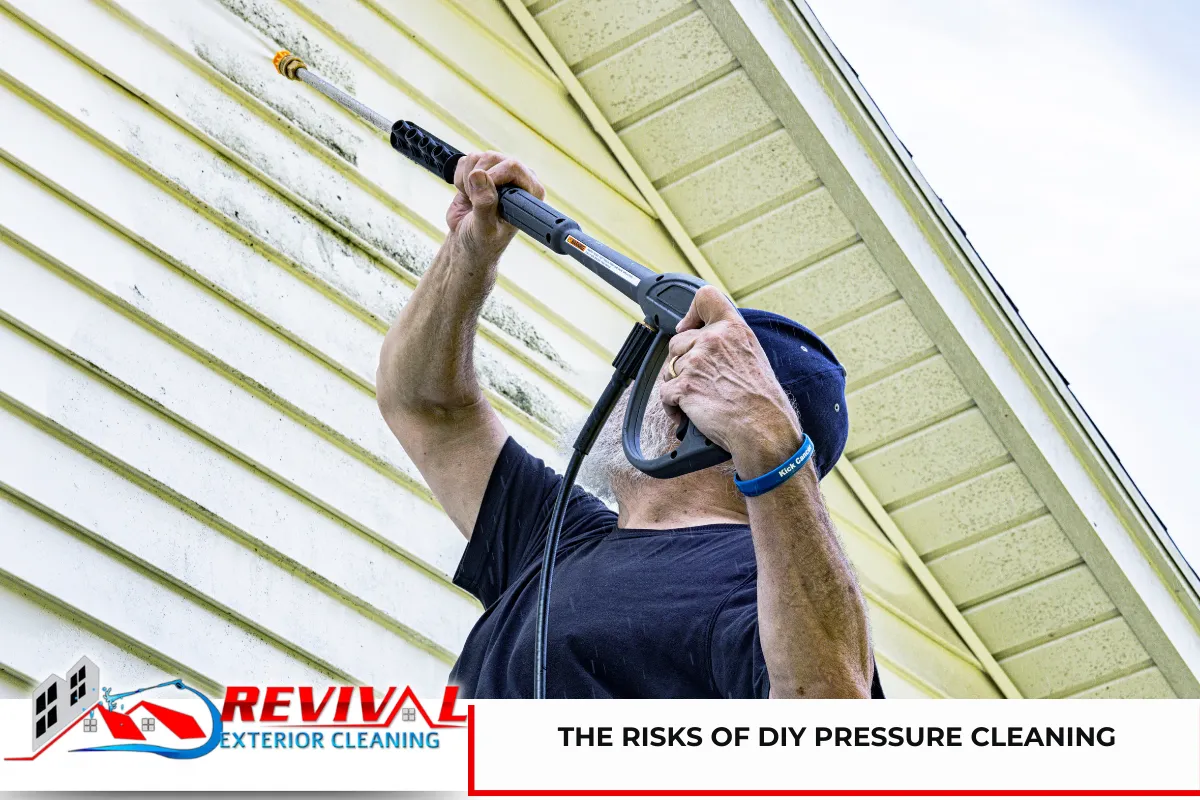
Using a pressure washer without proper training can create serious issues.
Common Mistakes Homeowners Make
- Using too much PSI
- Spraying upward beneath siding panels
- Standing too close to the surface
- Skipping proper cleaning solutions
These mistakes can lead to:
- Water intrusion
- Mold growth inside walls
- Damaged siding panels
- Voided manufacturer warranties
In Charlotte, where humidity is already high, forcing water behind siding can create long-term moisture problems.
Charlotte’s Environmental Regulations and Best Practices
Homeowners in Charlotte must also consider local environmental guidelines.
The City of Charlotte and Mecklenburg County enforce stormwater regulations that prohibit allowing pollutants, chemicals, and debris to enter storm drains. Wash water containing detergents or oxidation residue must be managed properly.
Best practices include:
- Preventing runoff into storm drains
- Using environmentally responsible cleaning solutions
- Controlling wastewater discharge
Professional companies understand how to comply with local stormwater rules, which helps protect both your property and the environment.
Factors That Affect Results in Charlotte, NC
Not all homes respond the same way to pressure cleaning. Several factors determine how effective the process will be.
Age of the Siding
Older siding is more prone to deep oxidation and may require multiple treatments.
Type of Finish
Factory-finished vinyl responds differently than painted aluminum or fiber cement.
Sun Exposure
Homes with southern or western exposure in Charlotte often experience faster UV breakdown.
Previous Maintenance
Homes that receive regular pressure washing typically show less severe chalking.
How Often Should Siding Be Washed in Charlotte?
Most homes in Charlotte benefit from professional pressure washing every 12 to 24 months.
Frequent maintenance:
- Slows oxidation buildup
- Removes pollen and mold
- Prevents long-term staining
- Extends siding lifespan
Charlotte’s high pollen counts in spring and humid summers make regular exterior cleaning especially important.
The Science Behind Oxidation Removal
Oxidation forms when oxygen molecules react with the material surface. Over time, the surface becomes porous and powdery.
Cleaning solutions used in professional pressure cleaning often contain:
- Surfactants
- Mild alkaline cleaners
- Oxidation-removal agents
These chemicals break the bond between the oxidized layer and the siding surface, making it easier to rinse away safely.
Simply spraying water without a cleaning agent often won’t fully remove the residue.
Signs It’s Time for Professional Pressure Washing
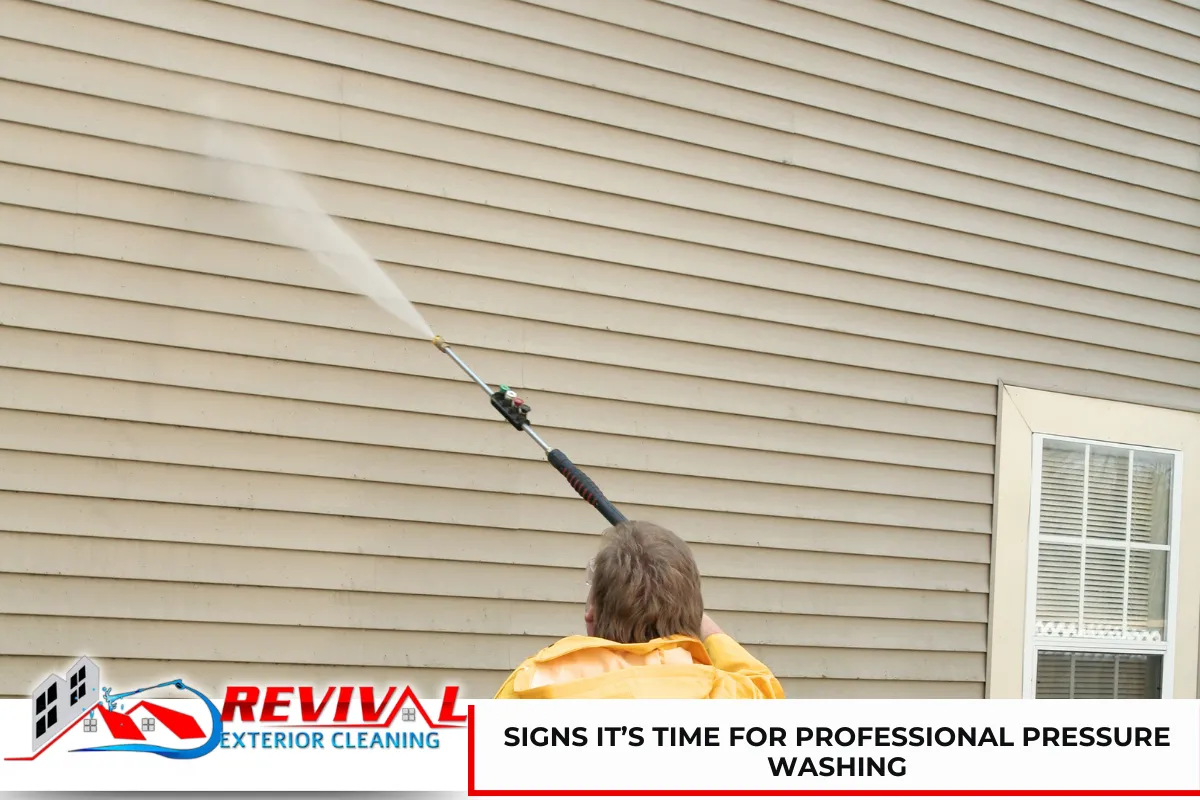
You may need professional help if:
- Your siding looks dull even after rain
- White residue transfers onto your hands
- Paint adhesion is failing
- Mold or algae appear alongside chalking
A thorough pressure wash can restore brightness and prepare the surface for repainting if needed.
Preparing Siding for Repainting
If you plan to repaint your home, removing oxidation is critical.
Paint will not properly adhere to a chalky surface. Pressure cleaning ensures:
- Better paint bonding
- Longer-lasting results
- More even finish
Contractors often require professional power washing before applying new paint.
Comparing Pressure Washing to Other Cleaning Methods
Some homeowners consider alternatives.
Scrubbing by Hand
Time-consuming and rarely effective for large areas.
Garden Hose
Insufficient pressure to remove oxidation.
Chemical-Only Cleaning
May leave residue if not properly rinsed.
A balanced pressure wash approach remains one of the most efficient solutions for Charlotte homes.
What to Expect After Service
After professional pressure washing:
- Siding should appear brighter
- Residue should no longer transfer to your hand
- Colors may look restored
However, minor fading may remain if oxidation has permanently altered the material.
Protecting Your Siding After Cleaning
To reduce future chalking:
- Schedule routine exterior cleaning
- Trim landscaping to reduce moisture buildup
- Inspect siding annually
- Consider UV-resistant coatings
Maintenance prevents severe oxidation from returning quickly.
Pressure Washing in Charlotte, NC – Revival Exterior Cleaning & Pressure Washing
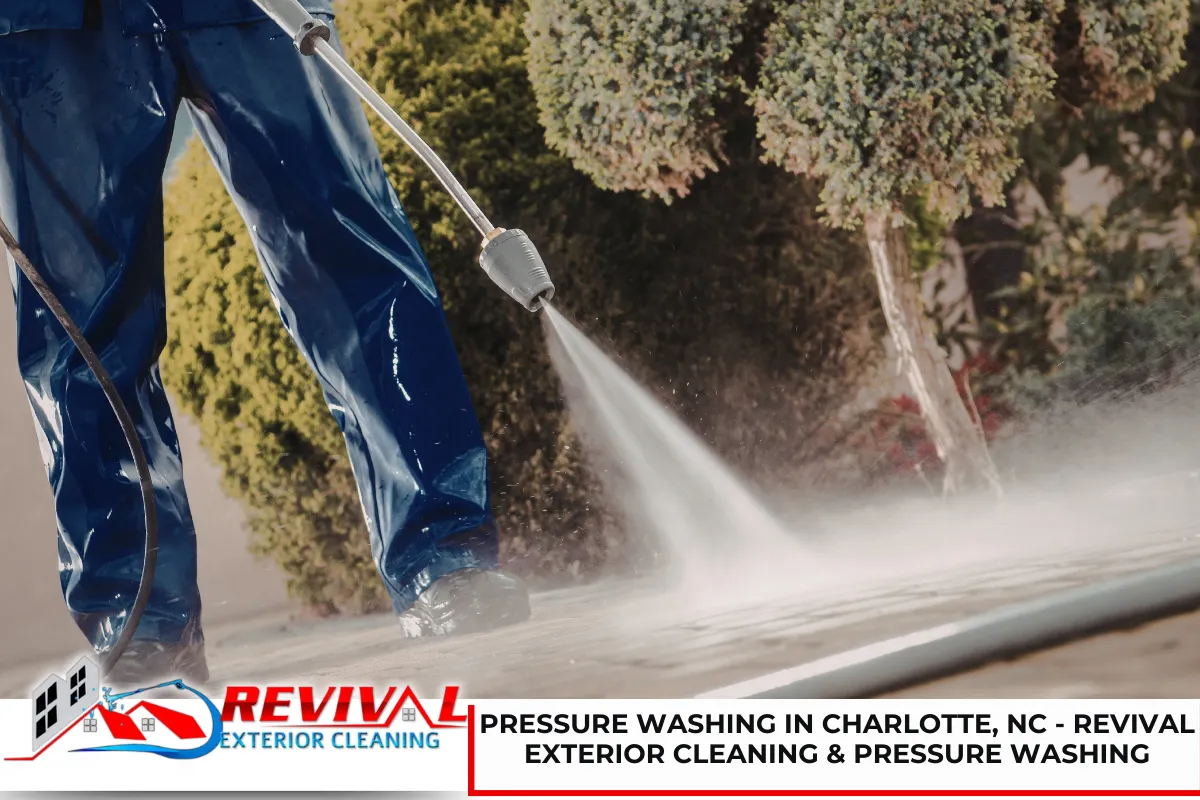
At Revival Exterior Cleaning & Pressure Washing, we specialize in restoring siding safely and effectively. If you’re dealing with chalky residue, we understand how Charlotte’s heat, humidity, and pollen contribute to oxidation. Our team uses professional-grade pressure washing equipment combined with controlled techniques to protect your siding while removing buildup. We follow local environmental guidelines and ensure responsible water management during every service. Whether you need a gentle pressure clean for vinyl or a more targeted solution for painted surfaces, we tailor our approach to your home. Call us at (980) 264-2359 or fill out our contact form today to schedule expert pressure washing in Charlotte, North Carolina and surrounding areas.
Frequently Asked Questions
1. Can oxidation return after pressure washing?
Yes, oxidation can return over time because it’s a natural reaction to sun and weather exposure. In Charlotte’s climate, UV rays and humidity continuously affect siding materials. While professional pressure washing removes existing chalky residue, it does not permanently stop the chemical process. Regular maintenance every one to two years significantly slows the buildup. Applying protective coatings or repainting with high-quality exterior paint can also reduce future chalking. Ongoing care is the best way to maintain your home’s appearance.
2. Will pressure washing damage vinyl siding?
When done incorrectly, it can. Excessive pressure may crack panels or force water behind siding. However, trained professionals adjust PSI levels and use proper angles to prevent damage. Soft washing techniques are often used for vinyl surfaces to minimize risk. The key is using appropriate equipment and experience rather than maximum force. Properly performed pressure cleaning is safe for most siding types.
3. Is chalky residue harmful to my home?
Chalking itself isn’t structurally harmful, but it indicates surface breakdown. If ignored, oxidation can worsen and lead to fading or brittle materials. Additionally, residue can prevent new paint from adhering properly. Over time, neglected siding may require more costly repairs or replacement. Addressing chalking early with pressure washing helps preserve your exterior.
4. Does homeowners insurance cover oxidation removal?
In most cases, oxidation is considered normal wear and tear, not sudden damage. Insurance policies typically do not cover maintenance-related issues like chalking. However, policies vary, so reviewing your specific coverage is recommended. Regular pressure washing is viewed as preventative maintenance rather than a repair claim.
5. What time of year is best for pressure washing in Charlotte?
Spring and fall are ideal. Mild temperatures allow cleaning solutions to work effectively without drying too quickly. Spring washing removes pollen and winter buildup, while fall cleaning prepares your home before colder months. Summer is also possible, but scheduling during cooler morning hours is preferred to avoid rapid evaporation.
Disclaimer: This article is for informational purposes only and does not replace professional inspection or service recommendations. Always consult a qualified exterior cleaning professional for property-specific advice.
Read Is Pressure Washing in Charlotte, NC Safe for Painted Exteriors?