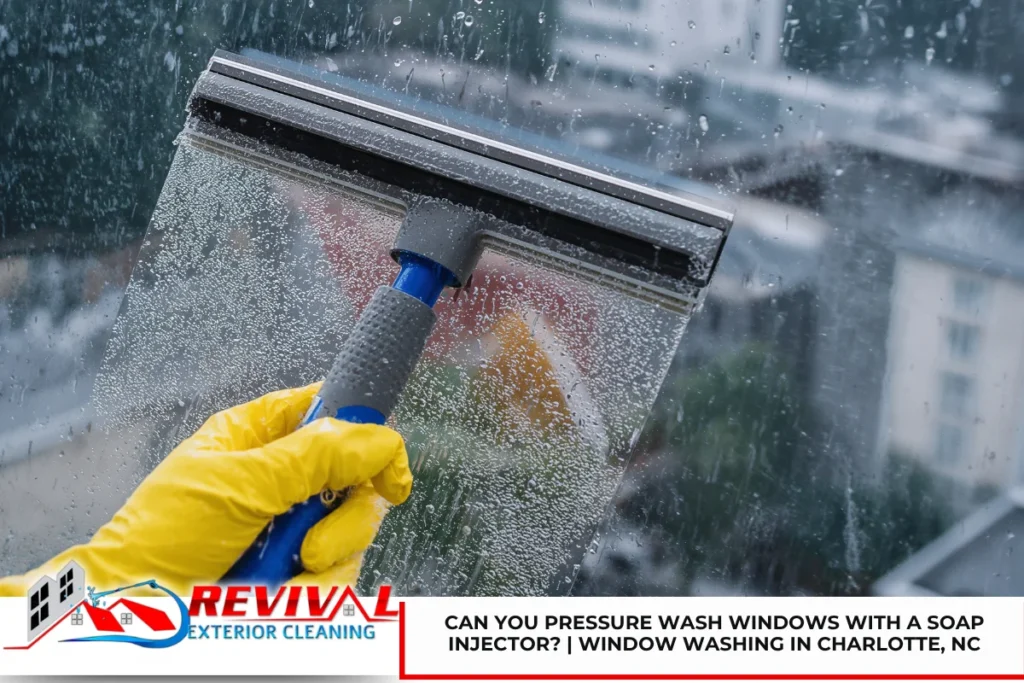
Can You Really Pressure Wash Windows with a Soap Injector?
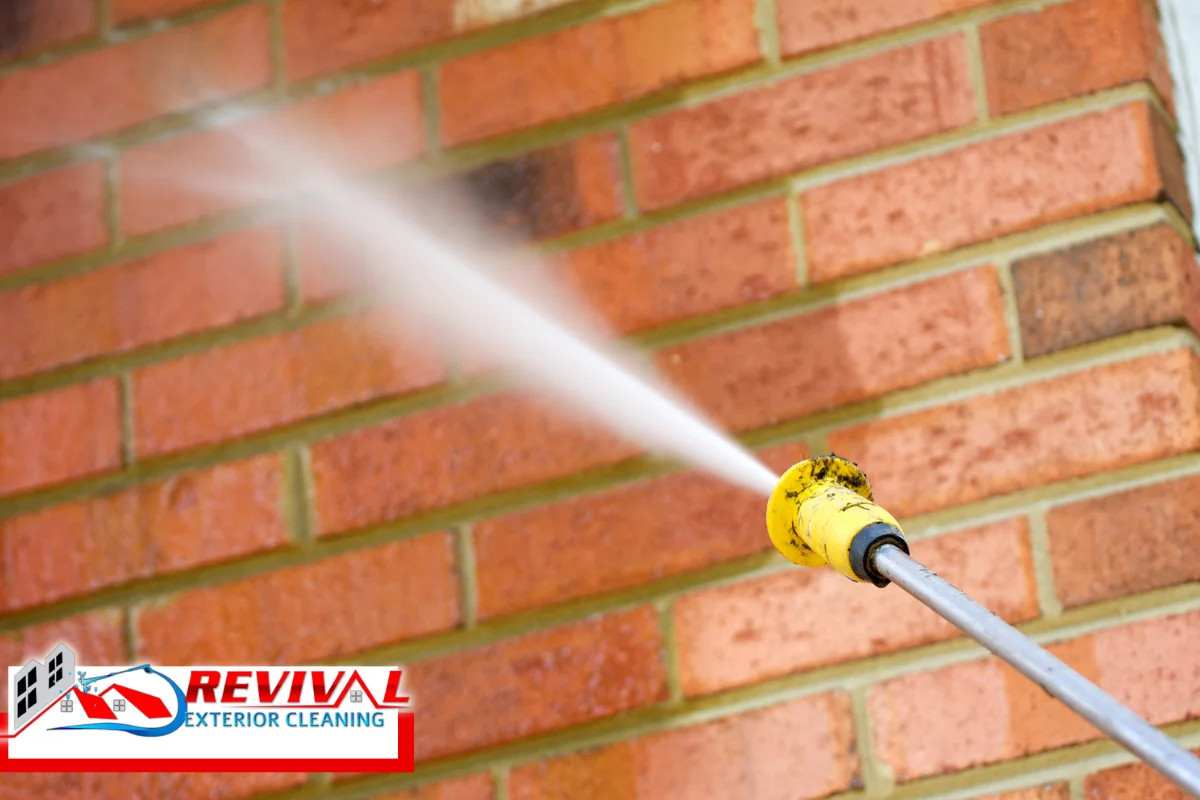
Window cleaning is one of those jobs that every Charlotte homeowner thinks about once pollen season hits and every pane looks like it has been dusted in yellow powder. The temptation is real: you already own a pressure washer, it has a soap injector, so why not knock out every surface on your house in a single afternoon? The problem is that pressure washing removes dirt, mold, and algae from surfaces like concrete and brick, but glass is a completely different material with different tolerances. Blast it at full force and you risk cracked panes, blown seals, leaks around frames, and ruined caulking that leads to costly water damage inside your walls. The solution is simpler than most homeowners expect. By using a soft wash approach with the right pressure, proper nozzle selection, and correct soap ratios, you can safely clean windows with your pressure washer and soap injector without turning a routine chore into an expensive repair.
Key Takeaways
- Yes, you can use a pressure washer with a soap injector on windows, but only at low pressure and with the right tips, distance, and detergents.
- High pressure can crack glass, break seals, and force water behind siding, so soft washing methods are safer for most residential windows.
- Soap injectors must be set correctly; the wrong mix can etch glass, damage vinyl, or leave heavy residue and streaks.
- Charlotte’s humid, pollen-heavy climate makes exterior window washing a regular maintenance task, often paired with house washing and gutter cleaning.
- When in doubt, hiring a fully insured professional who understands the right pressure and detergents for glass is the safest option.
How Soap Injectors Work on a Pressure Washer
A soap injector is the component that introduces detergent into your water stream, and understanding how it works is the first step toward safe window washing. Soap injectors are commonly used by pressure washing companies for everything from siding to driveways, but glass requires a more careful setup.
Downstream Injection Basics
Most residential and professional rigs use a downstream injector. Downstream injectors integrate cleaning solutions into the pressure washer flow on the low-pressure side, after the pump. This means the soap only gets pulled into the line when you are running at low pressure, typically through a dedicated soap tip. The moment you switch to a higher-pressure nozzle, the injector stops drawing detergent automatically.
This design matters for windows because it keeps the soap application phase gentle. Downstream soap injectors should not be used with high-pressure tips on glass. If you accidentally leave a narrow tip in place while the injector is active, you get concentrated force and chemicals hitting the surface at the same time, which is a recipe for damage.
Mix Ratios and Detergent Selection
Dilution is everything. A typical downstream setup pulls soap at roughly a 10:1 to 20:1 ratio, depending on your injector orifice size. For glass, you want mild concentrations. Industry guidance from glass manufacturers suggests something as simple as 10 to 15 drops of mild dish soap per three to four gallons of water when manually washing clear or tinted glass. Using a low-pressure soap nozzle helps to minimize the risk of window damage while still delivering enough detergent contact to loosen grime.
For operators who need a stronger chemical draw, the Skunk Valve allows for a higher chemical draw rate than a standard injector orifice, which can be useful for heavy mold on siding but should be dialed back carefully when the wand is anywhere near glass.
Nozzle Selection
The black soap tip or a wide fan tip in the 25- to 40-degree range is what you want for window work. These tips spread the water over a large area, reducing point-force on any single spot. A machine in the 5-8 GPM range is ideal for soft washing because it delivers enough volume to rinse effectively without needing extreme pressure to move soap off the surface.
Is It Safe to Pressure Wash Windows with a Soap Injector?
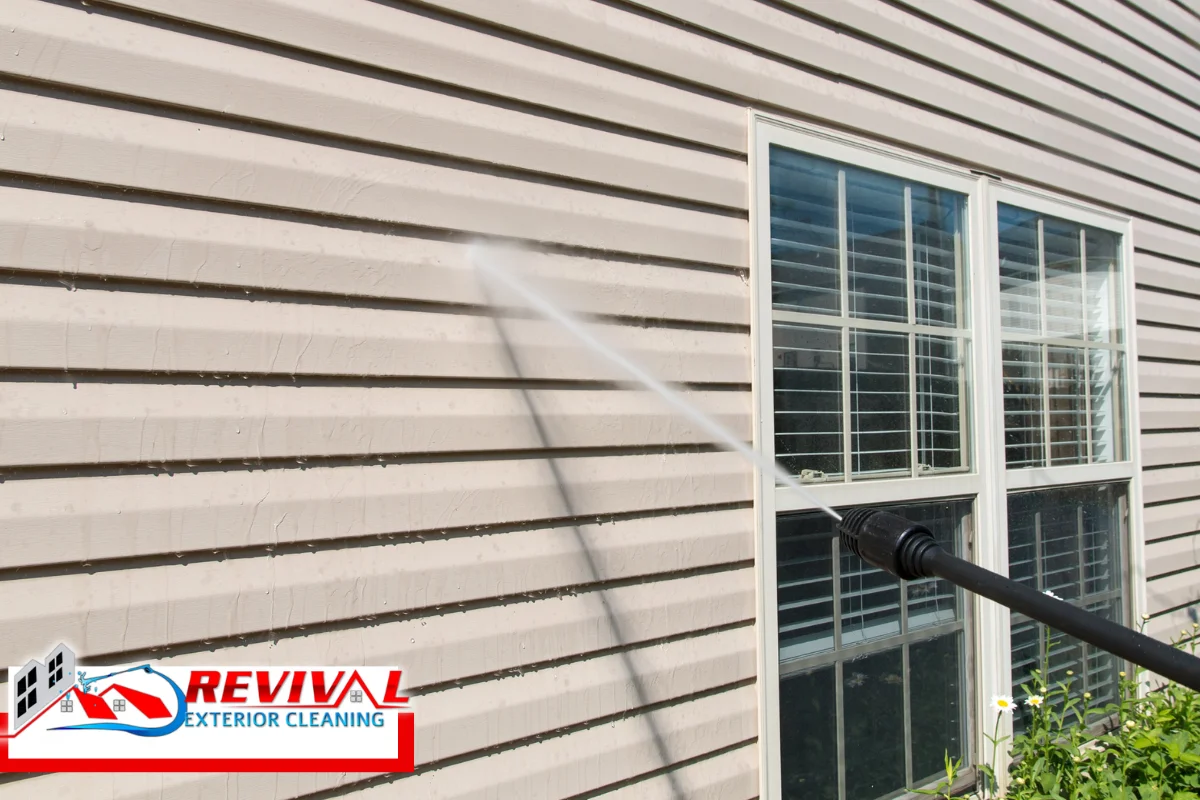
The short answer is yes, but only when you treat the job as soft washing rather than full-force pressure washing. Professional window cleaning generally avoids using high-pressure washers on glass for good reason, and the homeowners who get into trouble are the ones who skip the precautions.
Glass and Frame Vulnerabilities
Not all windows handle pressure the same way. Here is a quick reference:
| Window Type | Safe Max PSI (Rinse) | Minimum Distance | Nozzle |
|---|---|---|---|
| Tempered or modern double-pane in good condition | 1,200 to 1,500 | 12 to 18 inches | 25- to 40-degree fan |
| Double-pane with intact seals | Around 1,200 or lower near edges | 18 inches or more | Wide fan, avoid seal edges |
| Older single-pane or historic glass | 1,000 or less | 18 to 24 inches | Very wide fan or hand wash |
Using low pressure when washing windows prevents damage to seals and frames. Major window manufacturers like Andersen and Simonton explicitly warn that power washers or pressurized cleaning tools are not safe for their frames, sealants, and coatings. High-pressure washing can void warranties on modern windows, which is something most homeowners do not realize until they are filing a claim.
Read Do Soft Washing Tools Scratch Glass? | Window Washing in Charlotte, NC
What the Pros Do Differently
Professional services often use water-fed poles for cleaning windows, which deliver purified water at very low pressure and eliminate the need for a traditional pressure washer entirely. When a pressure washer is used, the method is soft wash style: soap applied under low pressure, allowed to dwell briefly, then rinsed with a wide fan tip from a safe distance. Soft washing kills mold and algae at the root rather than just pushing debris around, which means the results last longer.
The right pressure for a residential window is usually well below what most homeowners default to. Keep the wand at a 30- to 45-degree angle to the glass, never aim perpendicular, and spray in smooth sweeping motions. Never hover in one spot.
Best Practices for Soft Washing Windows in Charlotte, NC
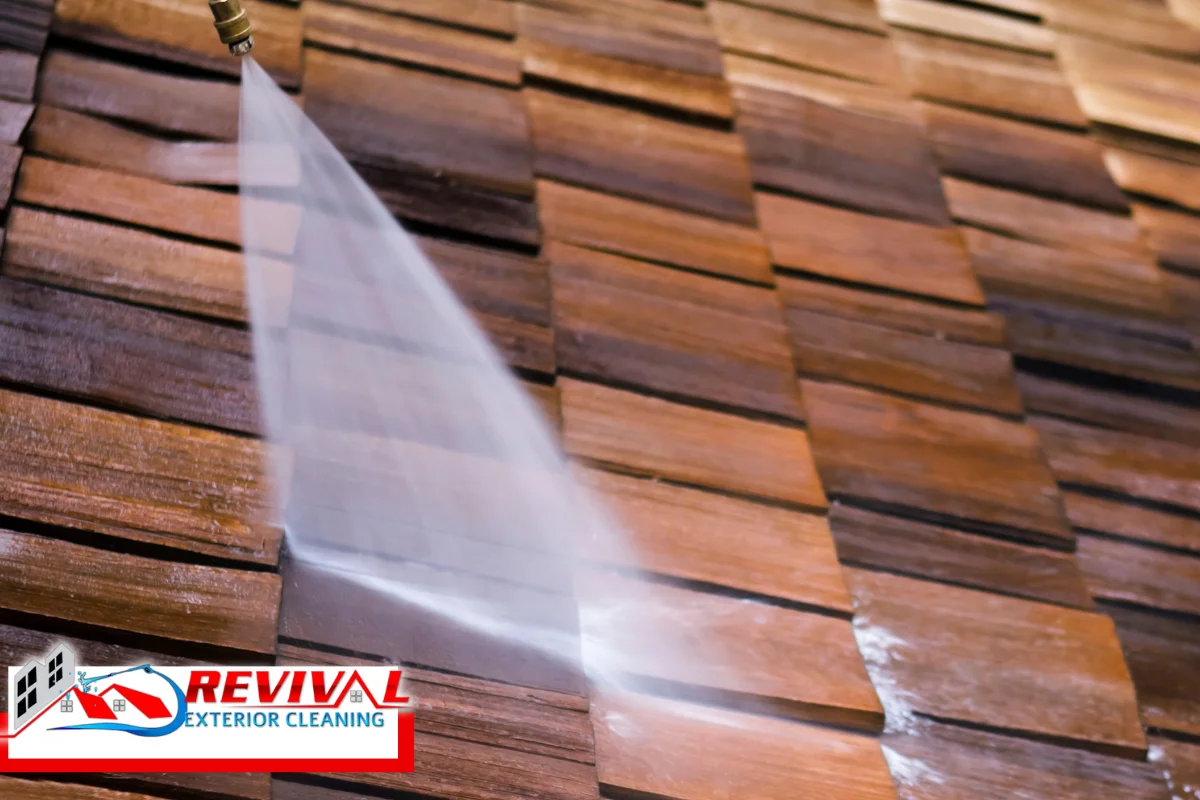
Charlotte’s climate creates a perfect storm of pollen, humidity, and mold that can coat your home faster than you might expect. Here is a practical checklist for getting spotless results without risking your glass.
Step-by-Step Process
- Inspect every window before you start. Look for cracks, loose glazing, dry-rotted wood, compromised seals, and any gaps in caulk. If you find damage, skip that window and address the repair first.
- Remove window screens. Set them aside and clean them separately by hand with mild soap and a soft brush. Putting pressure behind screens can bend frames and punch holes.
- Protect sensitive areas. Cover outlets, exterior lighting, and door thresholds near large glass doors.
- Mix your soap. Use a mild, pH-neutral or slightly alkaline detergent. Biodegradable soaps are recommended for window cleaning to avoid damage to both the glass and surrounding landscaping.
- Apply soap with your injector on the low-pressure setting, starting at the top of each pane and working down.
- Let the soap dwell. In Charlotte’s warm weather, keep dwell time short, around 30 to 45 seconds in direct sun or 60 to 90 seconds in shade, to prevent the solution from drying on hot glass.
- Rinse gently with a wide fan tip, again top to bottom, adjusting your distance to keep pressure within safe limits for the glass type.
- Final detailing. Squeegees and microfiber cloths aid in achieving a streak-free finish during the final pass. Proper rinsing techniques are essential for achieving clear glass without spots, so do not rush this step.
Why Method Matters in Charlotte
Soft washing prevents damage by using gentle water pressure, and it also minimizes water spots on windows because the slower, controlled rinse lets you manage runoff. Charlotte’s stormwater pollution control ordinance under Chapter 18 prohibits discharging soaps and detergents into the storm drain system, so directing your runoff onto lawn or landscaping instead of the street is not just a best practice, it is a local legal requirement. Soft washing is environmentally friendly and safe for landscaping when you use the right detergents, which makes compliance straightforward.
Soft washing uses low pressure to avoid surface damage on delicate surfaces like vinyl frames and Low-E coated glass. It can effectively kill mold and algae at the root, meaning your windows stay cleaner longer between service visits.
Common Mistakes When Using a Pressure Washer on Windows
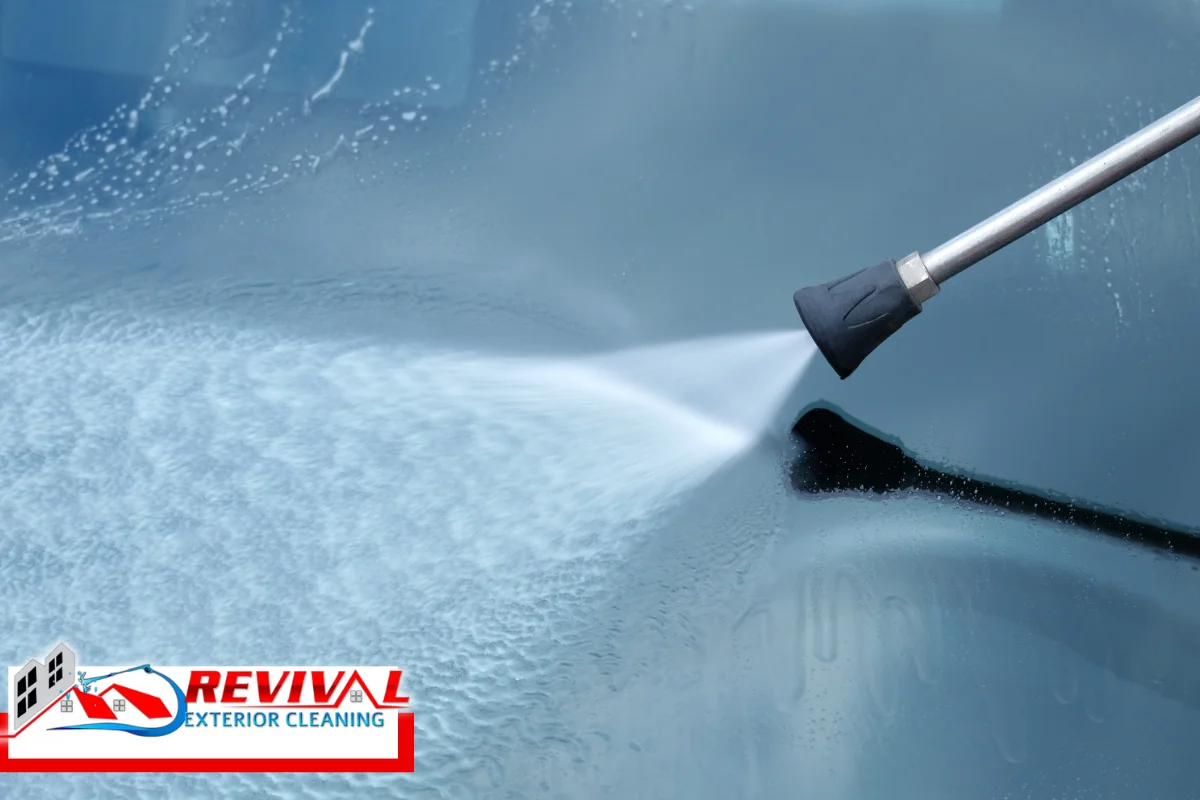
Even well-intentioned homeowners can turn a simple job into a costly repair if they skip a few critical steps. Here are the errors that lead to cracked glass, foggy panes, and calls to a window replacement company.
High Pressure and Wrong Nozzles
Using high pressure directly on glass can crack or break it. This is especially true with turbo nozzles or zero-degree tips, which concentrate all the force into a tiny point. Even a brief pass with a narrow tip near a seal edge can compromise an insulated glass unit and cause permanent fogging.
Harsh Chemicals
Harsh soaps can dry on glass and cause permanent stains, especially on days when Charlotte’s summer heat bakes the surface before you get the rinse on. Avoid heavy chlorine mixes, strong acids, and petroleum-based cleaners near any window. These chemicals can also degrade vinyl and strip protective coatings from aluminum frames.
Poor Rinsing
Inconsistent rinsing can lead to residue and streaking on glass. If you apply soap and then rinse unevenly, you end up with hazy film, water spots, and drip marks along the lower edges that are visible from inside the house.
Forcing Water Behind the Envelope
One of the biggest hidden risks is directing pressurized water into gaps around trim, weep holes, and siding joints near windows. Soft washing prevents water from being forced behind siding, but full-pressure blasting does the opposite. Hidden moisture behind your home’s exterior can lead to mold growth, wood rot, and structural damage over time.
When to Stop and Call a Professional
If your windows are on a third story, if the glass flexes when you spray, if seals are already showing signs of failure, or if you simply are not confident with the equipment, it is time to bring in a fully insured team with the precision and dedicated tools to handle the work safely.
When to Combine Window Washing with Other Exterior Services
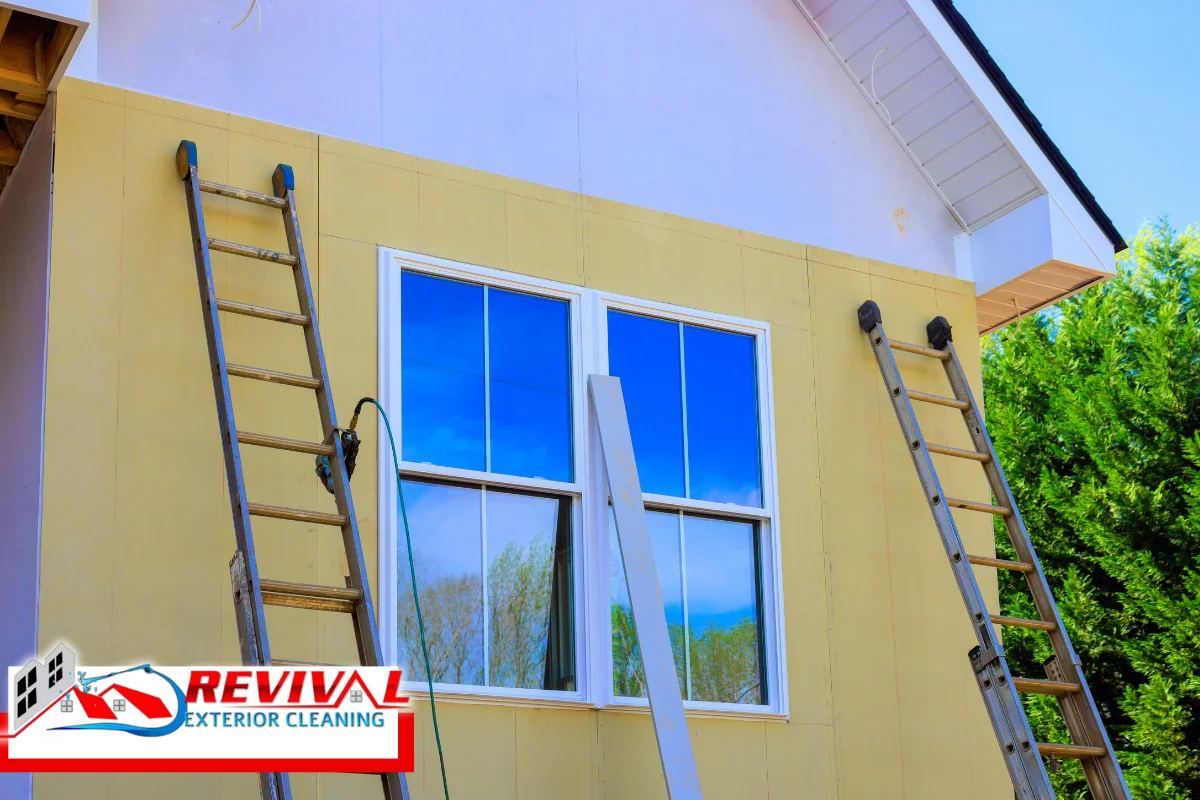
Handling window washing alongside other exterior cleaning is one of the fastest ways to boost curb appeal and save time. In Charlotte, the most common service bundle includes a siding soft wash, window cleaning service, and gutter cleaning during the same visit.
Why Bundling Makes Sense
Cleaning windows after a soft wash of the siding prevents fresh overspray or chemical runoff from spotting glass that was already clean. Professional power washing also cleans driveways, sidewalks, and patios during the same trip, which means your entire property gets a reset at once rather than in piecemeal visits over several weeks. Some established local companies have served the Charlotte metro area since 1996, reflecting how steady the demand for bundled exterior cleaning has been in this city. In the Charlotte market, house washing packages can start around $199 for homes up to 3,000 square feet, making bundled service a reliable and cost-effective approach for homeowners.
Seasonal Timing
Window cleaning frequency can increase due to environmental factors like pollen and humidity, and Charlotte has both in abundance from spring through early fall. Planning a full exterior cleaning in late spring after the worst of the pollen drops, and then again after hurricane season debris clears in the fall, keeps your property looking its best year-round. For neighbors preparing to sell, a fresh wash of the siding, gutters, decks, and windows can noticeably improve curb appeal and make a strong first impression during showings.
Multi-story homes present additional safety concerns. Professional rigs with water-fed poles and extended reach equipment can clean high glass from the ground, eliminating the fall risk that comes with ladders and offering the convenience of a fast, safe job.
Window Cleaning in Charlotte, NC – Call Revival Today!
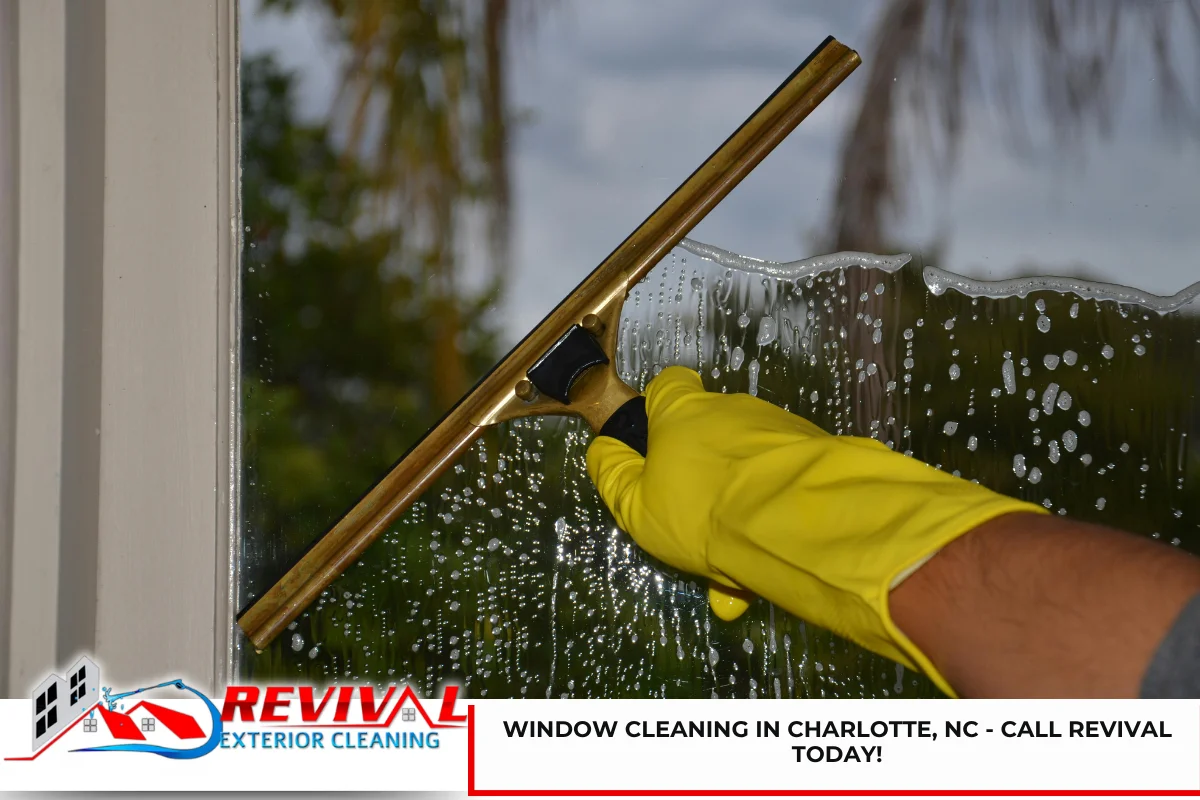
At Revival Exterior Cleaning & Pressure Washing, we take the guesswork out of window cleaning for Charlotte homeowners. Our team uses low-pressure, window-safe detergents and soft wash techniques tailored to the glass, frames, and seals on your home so you get spotless results without the risk of damage. We are fully insured and dedicated to treating your property with care and precision on every job.
We serve Charlotte, North Carolina and the prominent surrounding areas with a full range of exterior cleaning, including house washing, pressure washing of hard surfaces like concrete and brick, and gutter cleaning. Bundle your services and restore your curb appeal in a single visit.
Ready for a free quote? Call us at (980) 264-2359 or fill out our online contact form. Let our courteous, trusted team deliver the clean your home deserves.
Frequently Asked Questions
Can I Use Hot Water When Washing My Windows with a Pressure Washer?
Using hot water on glass introduces thermal stress, particularly when the glass has been sitting in direct sunlight and is already warm. The rapid temperature difference can cause micro-fractures in tempered or laminated panes and weaken the perimeter seals on double-pane units. Most residential pressure washers produce cold or lukewarm water, which is appropriate for window work. If your machine has a heating element, keep the output temperature below 140 degrees Fahrenheit and avoid spraying windows that have been baking in the sun. Cold water on cold or shaded glass is the safest match. Always test a small area first if you are unsure about the temperature differential on a particular window.
How Often Should I Have My Exterior Windows Professionally Cleaned in Charlotte?
Most Charlotte homes benefit from professional window cleaning one to three times per year, depending on the property’s exposure to trees, road dust, and construction activity. Spring is typically the most critical time because of the heavy pollen that coats every exterior surface. A second cleaning in early fall after storm season removes built up dirt, debris, and leaves that accumulate during summer. Homes near major roads, active construction sites, or heavily wooded lots may need an additional visit. Consistent cleaning also lets a window cleaner catch early signs of seal failure, wood rot, or frame damage before those issues become expensive repairs.
What Kind of Soap Should I Avoid When Cleaning Windows with a Pressure Washer?
Stay away from strong acids, undiluted bleach, rust removers, and petroleum-based solvents. These chemicals can etch glass, strip protective coatings, discolor vinyl and aluminum, and break down the silicone or EPDM seals around insulated glass units. Abrasive cleaners or powders should also be avoided because they can scratch glass and frame finishes. Stick with pH-neutral or mildly alkaline detergents labeled safe for glass, and apply them in low concentrations. Biodegradable formulas are the safest choice for both the window and the surrounding landscaping, and they help you stay compliant with Charlotte’s stormwater pollution control regulations under Chapter 18 of the city code.
Is It Safe to Pressure Wash Windows on a Third Story from a Ladder?
It is not recommended. Working from a ladder at third-story height with a running pressure washer creates serious fall risk due to the kickback force of the wand and the instability of wet surfaces. The combination of water, soap, height, and recoil is one of the leading causes of falls during residential exterior cleaning. Professional teams use water-fed pole systems and extended-reach equipment that allow them to clean high windows safely from the ground. If you have windows above the second story, hiring a reliable, fully insured service is the fastest and safest way to get them done without putting yourself or your property at risk.
Will Soft Washing My Siding at the Same Time Streak or Spot My Windows?
It can if the work is not sequenced correctly. When siding detergent or rinse water drifts onto glass and dries before it is wiped or rinsed away, you get spots and chemical film on the panes. The standard professional approach is to wash siding first, then follow up with a dedicated window cleaning pass using a milder detergent and a final squeegee or deionized water rinse. This order ensures that any overspray from the siding wash is removed during the window step. If you are doing the work yourself, pre-rinse your windows after the siding wash and then apply your window-specific soap through the injector for a dedicated cleaning pass before the final rinse.
Disclaimer: This article provides general guidance and is not a substitute for on-site inspection or professional advice. Always follow manufacturer instructions and applicable Charlotte, North Carolina regulations when operating pressure washing equipment near windows.
Read Does House Size Affect Gutter Cleaning Costs in Charlotte, NC