Can Soft Washing Tools Really Scratch Your Windows?
Window cleaning is one of those maintenance tasks that Charlotte homeowners often put off because they fear doing more harm than good. You see the pollen caking every pane, mildew creeping along the frames, and red clay splatter staining the lower sills, and your first instinct might be to reach for a pressure washer set to full blast. That instinct is exactly where damage happens. Charlotte’s environmental factors like pollen and clay dust create additional challenges that tempt people toward aggressive methods. The good news is that true soft washing, when performed with proper tools and technique, is specifically designed to be gentle on glass and frames while still stripping away organic growth. Well-chosen soft washing tools should not scratch your windows. This article explains exactly how to keep it that way.
Key Takeaways
- Soft washing tools themselves do not scratch glass when used correctly; damage usually comes from grit, harsh chemicals, or too much pressure.
- Safe glass cleaning in Charlotte typically stays under 200 PSI with fan tips, neutral detergents, and thorough rinsing.
- The biggest risks are broken seals, etched glass, and water intrusion from high-pressure systems, not from true soft washing.
- Choosing the right tools (brush heads, squeegees, purified water) and techniques prevents streaks and scratches on exterior windows.
- Multi-story or damaged windows are usually safer in the hands of a professional window cleaner familiar with local building styles and codes.
How Soft Washing Differs from Pressure Washing on Glass
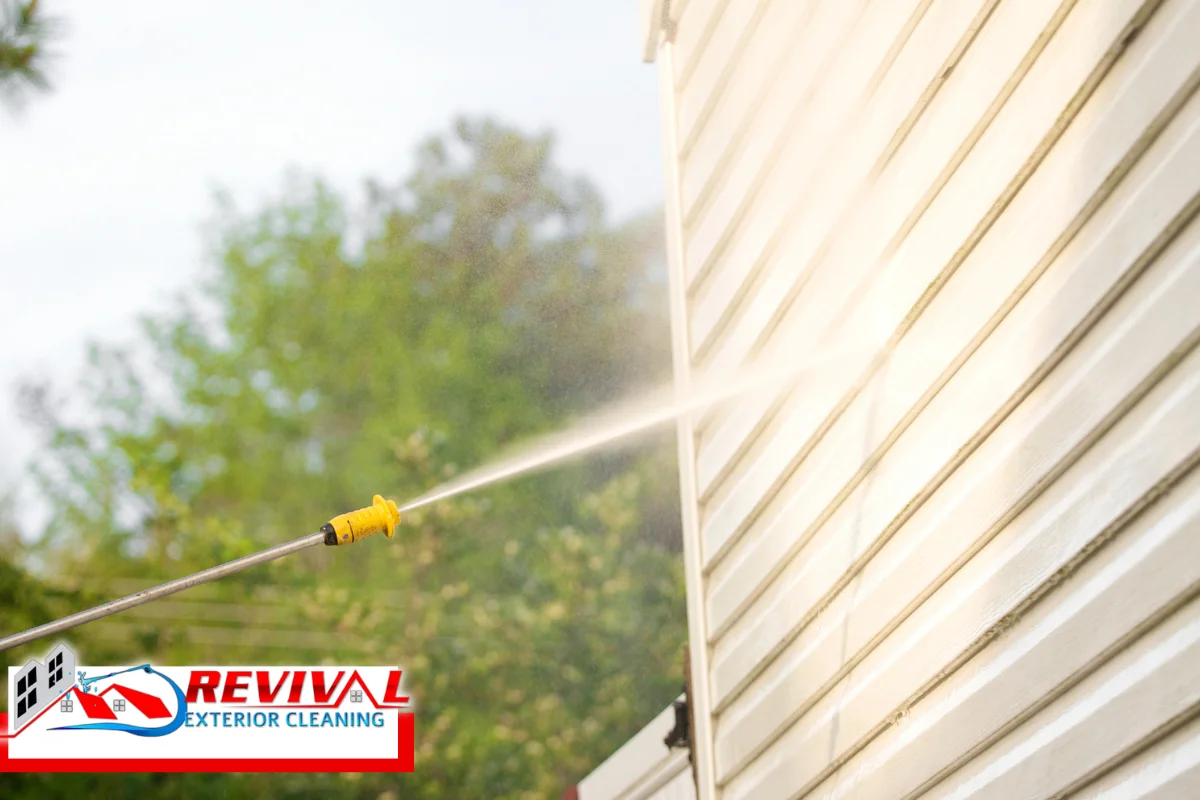
Before diving into scratching risks, it helps to understand what separates these two approaches at a practical level. Soft washing uses less than 200 PSI for cleaning, relying on chemistry rather than brute force to do the heavy lifting. Pressure washing, by contrast, can operate anywhere from 1,300 to 4,000 PSI or more.
Here is why the distinction matters for glass:
- Soft washing applies a cleaning solution at low pressure, allows it to dwell on the surface, and then rinses gently. The chemicals break down dirt, mold, and algae so the water does not have to.
- Pressure washing pushes water at high pressure through a narrow nozzle, physically blasting contaminants off. That concentrated force can crack older panes, pop glazing beads, and drive moisture behind frames.
- Pressure washing can break seals on double-pane windows, leading to permanent fogging between the panes that no amount of cleaning will fix.
- Soft washing can effectively remove organic growth and grime without aggressive scrubbing, making it well suited to siding, roof cleaning, and gentle house washing while still being adaptable to glass.
Many Charlotte homes built in the 1970s through the early 2000s use vinyl-framed double-pane insulated glass units with relatively thin glazing beads and minimal sealant. These windows respond far better to a careful, chemistry-led approach than to a high-pressure blast.
Do Soft Washing Tools Scratch Glass? The Real Causes of Damage
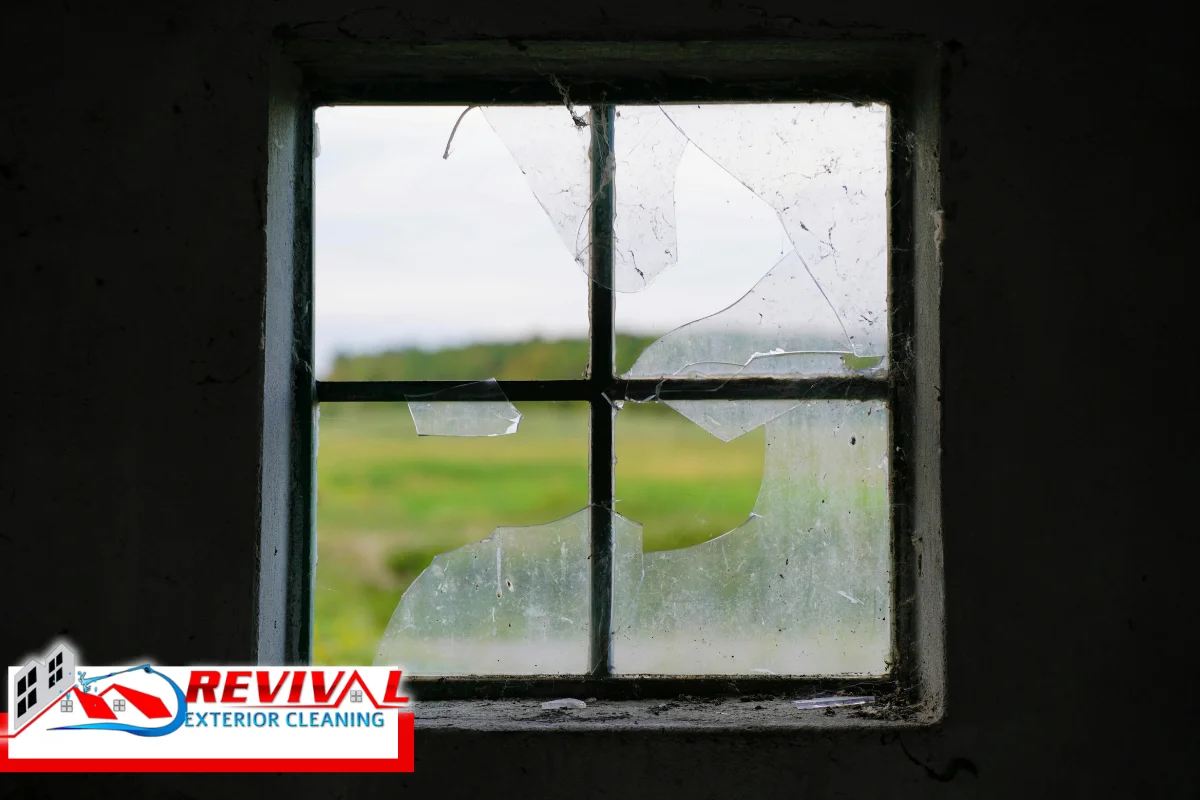
The short answer is no. Soft washing tools rarely scratch glass by themselves. The scratches homeowners find after a cleaning session almost always trace back to technique problems and debris, not the tool itself.
Glass has a Mohs hardness rating of about 5.5 to 7, which means it is harder than most cleaning materials but still vulnerable to anything of equal or greater hardness. Sand, concrete dust, and crystalline minerals all meet or exceed that threshold. When abrasive particles become trapped between the cleaning tool and the glass, the tool drags them across the surface and leaves behind fine scratches that catch sunlight at certain angles.
Common real-world causes of scratch damage include:
- Sand or red clay grit sitting on the pane before cleaning begins
- Razor blades or metal scrapers used on tempered or coated surfaces
- Green or blue abrasive pads (the kind sold for kitchen scrubbing) dragged across glass
- Dry scrubbing dirty windows before wetting them, which grinds debris into the surface
Avoid using dry scrubbing techniques on glass as they can create micro-scratches even with a soft cloth. Inspecting tools for trapped debris and damage is crucial to prevent scratching glass surfaces. Using a dedicated soft-wash tool without contaminants is vital for protecting glass.
Soft-bristle brushes, fan-tipped spray nozzles, and water-fed pole systems are all designed to glide over the surface without gouging it. Tempered glass and low-E coated glass deserve extra caution because coatings can be softer than the base glass, and the tempering process can introduce surface irregularities that catch particles. Always soak glass thoroughly first to float grit off before any scrubbing or squeegeeing begins.
Safe Pressure, Nozzle, and Spray Choices for Charlotte Windows
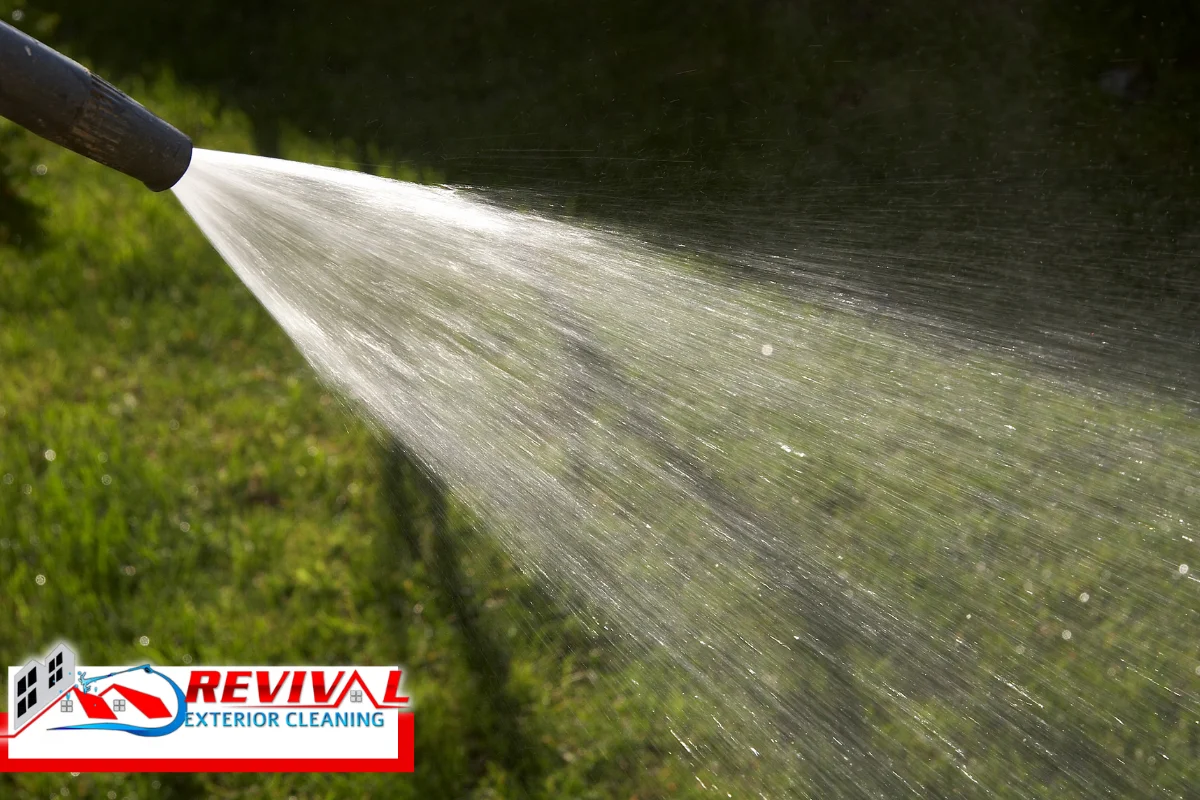
Getting the pressure setting right is one of the simplest ways to protect glass. Soft washing uses lower pressure, typically under 200 PSI, which is a fraction of what you would use on a concrete driveway or brick wall.
Here is a clear checklist for safe settings when working on windows:
- Keep the pressure under 200 PSI during solution application and agitation. If you need a pressure washer for rinsing, stay below 800 to 1,200 PSI depending on glass type and condition.
- Use a fan spray nozzle at 25 degrees or wider. Fan patterns distribute force across a broad area instead of concentrating it. Pencil or needle jets can crack panes, chip edges, and blow out perimeter seals.
- Maintain at least 12 to 18 inches of distance between the nozzle and the glass. Doubling the standoff distance drops the effective force significantly.
- Angle the spray at 30 to 45 degrees rather than aiming it straight at the surface. This prevents water from being driven directly into weep holes, frame joints, or gaps between sash and frame.
- Charlotte building practices emphasize protecting the building envelope from water intrusion, so gentle settings and careful aim support both good results and compliance.
For older single-pane glass or historic windows in protected districts, consider skipping the pressure washer entirely and relying on hand tools paired with a hose rinse.
Read Can You Pressure Wash Windows with a Soap Injector? | Window Washing in Charlotte, NC
Window Washing Tools That Are Gentle but Effective on Glass
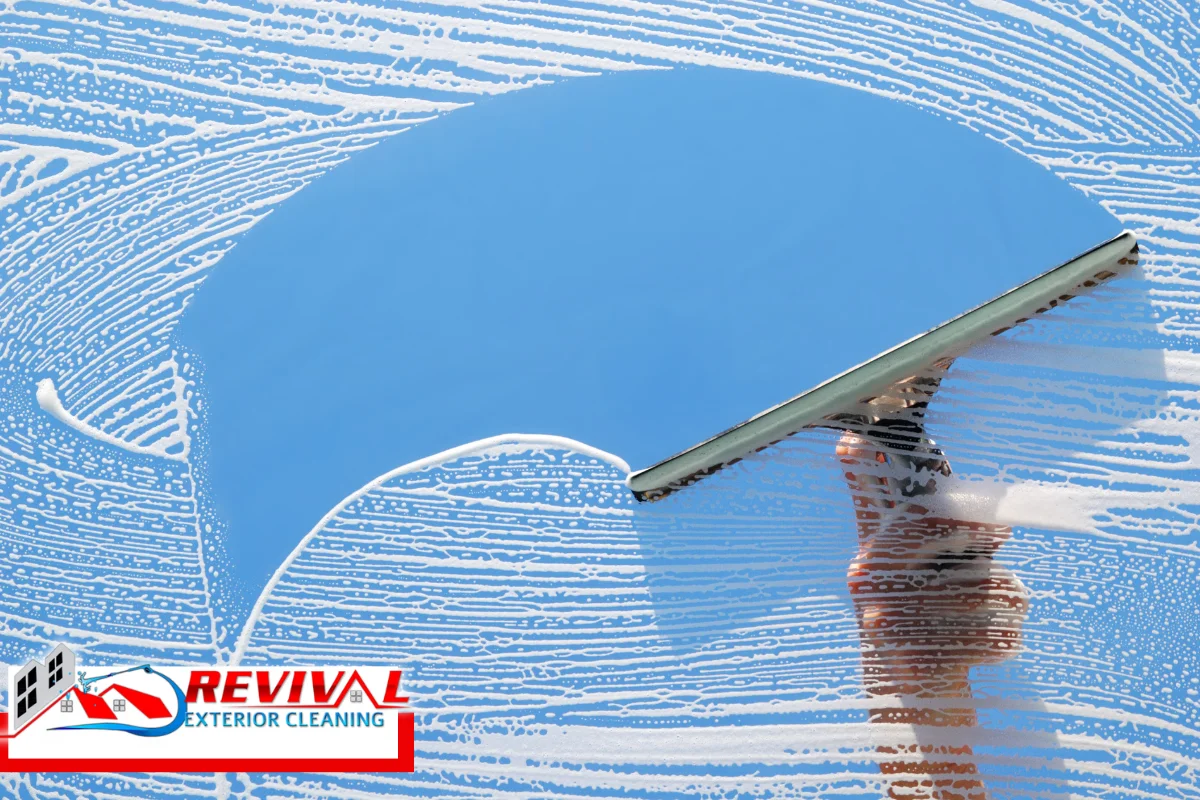
The right tools make the difference between a spotless finish and a scratched mess. Professional services deliver streak-free results using specialized equipment that most homeowners do not keep in their garage.
Here is what works well on glass and why:
- Soft microfiber scrubbers lift dirt without scratching because the fibers are far softer than glass. Using non-abrasive tools such as microfiber washers and rubber-bladed squeegees can prevent scratches on even coated surfaces.
- Professional squeegees with rubber blades pull water and solution off the pane in a single pass, leaving a streak-free finish. Traditional cleaning methods often require squeegeeing for best results, and there is a reason every professional crew carries one.
- Water-fed poles use purified water for safe window cleaning, reaching upper-story glass without ladders. Water-fed poles use purified water for streak-free window cleaning because deionized water leaves no mineral deposits behind when it evaporates.
- Soft natural or nylon brushes mounted on extension poles provide gentle agitation at low pressure without contacting the glass with anything hard enough to scratch.
When combining soft washing with traditional methods, a practical approach is to pre-treat frames and glass with a low-pressure chemical application, then follow up with a mop-and-squeegee detail clean. Pressure washers themselves are rarely the primary tool for professional window cleaning, especially on older Charlotte homes where frames and seals are more fragile.
Before starting any cleaning, protect window screens by removing them, avoid blasting directly at window seals, and check glazing putty or caulk for signs of cracking or separation. Damaged seals need repair before cleaning, not after.
Choosing the Right Window Cleaning Solutions for Soft Washing
Chemistry does the heavy lifting in any soft wash process, which means selecting the right solution matters as much as choosing the right nozzle.
- Surfactants and mild detergents loosen dirt and organic growth by breaking the bond between contaminants and the glass surface. They do not need to etch or abrade anything to work.
- Some house washing mixes are safe on glass but must be diluted correctly and thoroughly rinsed to avoid leaving a murky film. Using soft washing may result in murky glass if not rinsed properly, and soft washing can leave soap residue on windows when the rinse step is rushed.
- Chemical etching can occur if bleach or strong cleaning mixes are applied to glass and not rinsed immediately. Strong alkaline or acidic cleaners also pose risks to anodized aluminum frames and painted trim.
- Chemical safety is important during soft washing as improper mixtures can damage window coatings, especially on low-E or tinted glass.
- Allowing cleaning solutions or soap residues to bake or dry onto the glass can cause permanent damage that looks like hazing or frosting.
- Finish with a clear water rinse. A deionized or purified water system eliminates water spots and streaks, which is especially valuable in areas with hard municipal water.
Step-by-Step: Washing Exterior Windows Safely with Soft Washing
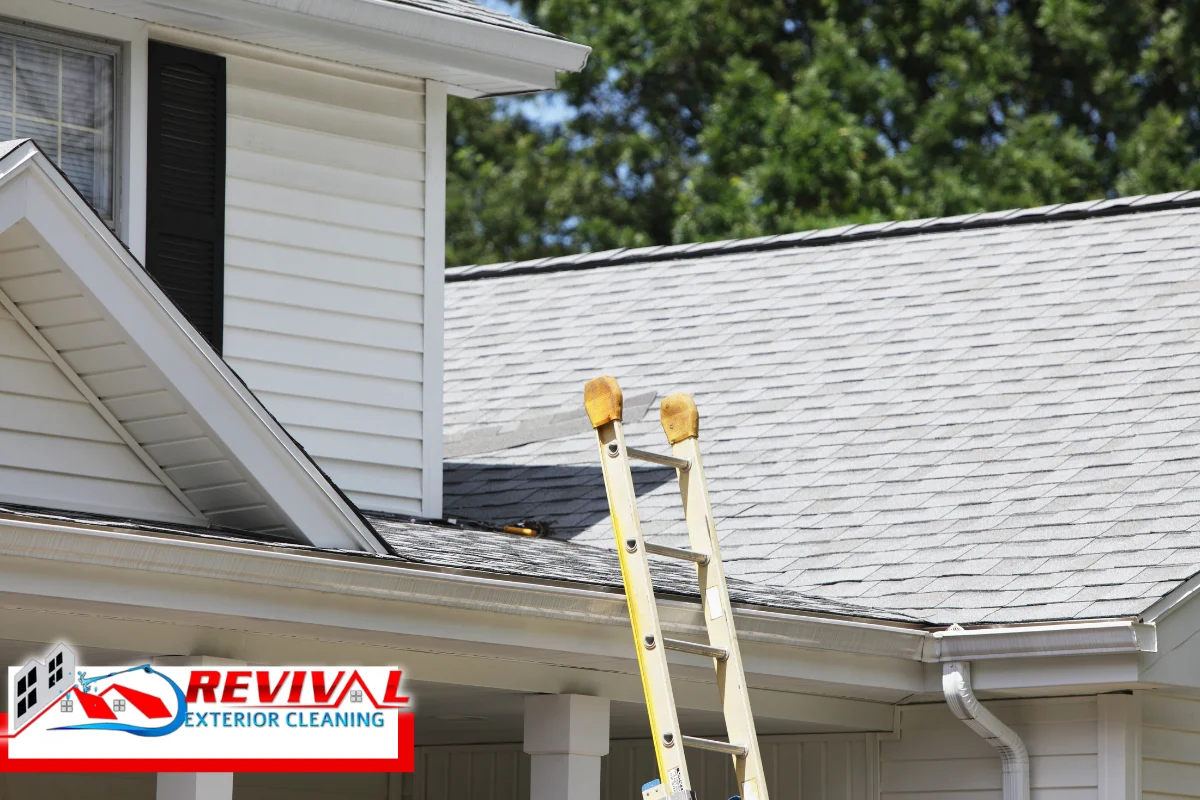
Following a consistent process protects glass and delivers clean windows every time. Here is how a careful soft wash session should flow from start to finish.
- Inspect every window before touching it. Look for cracks, loose seals, failing caulk, and any pre-existing damage. Remove screens and set them aside. Protect nearby electrical outlets and landscaping from overspray.
- Pre-rinse with a gentle, low-pressure water stream from top to bottom. Pre-rinsing thoroughly helps remove abrasive debris before cleaning glass to avoid scratches. This step floats off loose grit, pollen, and clay particles so they do not get ground into the surface during scrubbing.
- Apply the cleaning solution from top down, working in manageable sections. Let the solution dwell for the manufacturer-recommended time, but do not let it dry on the glass. Working out of direct sunlight can help avoid quick drying of cleaning solutions on glass. Exposure to sunlight while cleaning can cause solutions to dry too quickly and be harder to remove.
- Gently agitate with a soft brush or microfiber scrubber. Use light, overlapping strokes rather than hard back-and-forth scrubbing. It is recommended to test a small area of glass for damage before cleaning the entire surface, especially on older or coated panes.
- Rinse thoroughly with soft water flow, again working top to bottom. Follow immediately with a squeegee pass or a water-fed pole rinse to deliver streak-free results and a spotless finish.
When to Call a Professional Window Cleaner in Charlotte

There is a point where the risk of DIY work outweighs the savings. Knowing when to step back and hire a professional crew keeps both you and your property safe.
- Multi-story homes, steep lot grades, and hard-to-reach glass create fall hazards that no amount of YouTube tutorials can eliminate. Ladder work above the first story should be left to trained, insured technicians.
- Double-pane insulated glass, historic single-pane windows, and specialty glass like stained or decorative panels are more vulnerable to seal failure and abrasion from improper technique.
- Professional window cleaning removes hard water deposits and pollutants that standard DIY methods often cannot handle. Professional window cleaning improves natural light in homes by removing layers of grime that accumulate gradually and go unnoticed.
- Window cleaning services include interior and exterior washing, giving you a complete result in a single visit rather than half-finished panes.
- Ask any company you hire about their soft washing techniques, whether they use water-fed poles, and what type of water they rinse with. These questions help you gauge whether they will treat your glass with the care it needs.
Integrating Window Washing with Total Exterior Cleaning

Windows do not exist in isolation. Dirty siding splashes onto glass during rain. Clogged gutters overflow onto frames and sills. Algae on the roof drips stains down every surface below it. Treating all of these together delivers a better outcome than tackling them one at a time.
- Combining window washing with house washing, gutter cleaning, and roof cleaning creates uniform results and fewer service visits. Every surface gets attention on the same schedule, which keeps your property looking consistent.
- Charlotte’s heavy pollen seasons, summer mold growth, and clay-heavy soil mean that grime returns quickly. Routine cleaning prevents buildup of dirt and contaminants that become harder to remove the longer they sit. Window cleaning can be scheduled two to four times per year depending on your property’s exposure and surroundings.
- Coordinating pressure washing on concrete and decks with gentler methods on glass prevents cross-contamination. Grit kicked up by a surface cleaner on a driveway can land on freshly cleaned windows if the sequence is wrong.
- Clean windows enhance curb appeal for residential properties, and professional window cleaning improves natural light and curb appeal across the entire home. Scheduling regular exterior cleaning maintenance works well for both residential and small commercial properties in Charlotte and surrounding communities like Mint Hill.
Soft Washing Windows Without Voiding Warranties or Breaking Codes

Many window manufacturers specify maximum cleaning pressures, approved chemicals, and maintenance requirements in their warranty documents. Ignoring those specifications can void coverage on components that cost thousands to replace.
- Check your window manufacturer’s guidance for maximum safe pressure settings, chemicals to avoid, and specific instructions for low-E coatings. Most major brands explicitly prohibit abrasive cleaners and high-pressure direct sprays.
- Over-pressurizing can compromise insulated glass units, and improper soft washing can damage window seals. Broken seals can lead to moisture between double-pane windows, a condition called seal failure that causes permanent interior fogging and reduced thermal performance.
- Charlotte’s contractor manual warns against using strong or acidic cleaning solutions near insulated glass because such products may contribute to seal defects. Charlotte’s historic district guidelines also discourage abrasive cleaning methods and high-pressure water blasting on original materials.
- Professional window cleaning can save money by reducing wear and tear on seals, coatings, and frames over time. Document your cleaning methods and keep settings conservative so you can confidently maintain compliance and protect your investment year round.
- Preventing water intrusion into wall cavities aligns with local code emphasis on moisture control and building envelope protection, making gentle soft washing the safest choice for both your windows and your home’s structure.
Window Cleaning in Charlotte, NC – Call Revival Today!

At Revival Exterior Cleaning & Pressure Washing, we take pride in delivering excellent service to homeowners and businesses across Charlotte, North Carolina and the surrounding communities. Our professional crew uses gentle, proven soft washing techniques combined with purified water systems to deliver streak-free results on every pane we touch. We handle residential and light commercial window washing with careful attention to glass, seals, and frames so you never have to worry about scratches or damage. Whether your property needs a one-time deep clean or a year-round service plan, we have you covered. Call us today at (980) 264-2359 or fill out our online contact form for a free quote. Ask about our special offers and let our team make your property shine.
Frequently Asked Questions
Can I Soft Wash Tinted or Low-E Coated Windows Without Damaging the Coating?
Yes, but you need to be selective about your chemicals and tools. Low-E coatings are applied to the interior surface of the outer pane in most insulated glass units, so exterior cleaning rarely contacts the coating directly. However, some windows have exterior coatings or aftermarket tint films that sit on the exposed surface. Avoid ammonia-based cleaners, abrasive pads, and razor blades on any coated glass. Stick with pH-neutral detergents, soft cloth or microfiber applicators, and a thorough purified water rinse. When in doubt, test your cleaning solution on a small, inconspicuous area first and check for hazing or discoloration before proceeding with the full pane.
How Often Should Exterior Windows Be Soft Washed in Charlotte’s Climate?
Most Charlotte properties benefit from exterior window cleaning two to four times per year. Spring pollen season alone can coat windows in a thick yellow film within weeks, and summer humidity encourages mold and mildew growth on frames and sills. Homes surrounded by mature trees or located near construction sites may need more frequent attention. Properties that face prevailing wind patterns or sit near major roads also accumulate road film and particulates faster. A great service approach is to schedule cleanings after peak pollen in late spring, after summer storms, and before the holiday season to keep your glass looking its best.
Will Soft Washing Remove Hard Water Spots on My Windows?
Standard soft washing will remove most surface-level mineral deposits, but heavy hard water staining that has been baked onto glass by sun exposure often requires specialized restoration. These stubborn stains are mineral scale, primarily calcium and silica, that bonds to the glass at a molecular level. A professional window cleaner may use a mild acid solution or a polishing compound designed specifically for glass restoration. Prevention is the more practical strategy: redirect sprinkler heads away from windows, address gutter overflow issues, and finish each cleaning with a deionized water rinse. An awesome job on maintenance prevents the need for costly restoration later.
Is It Safe to Soft Wash Windows in Winter or During Colder Months?
Soft washing windows in winter is generally safe in Charlotte’s mild climate, where temperatures rarely stay below freezing for extended periods. The main concern is cleaning solution freezing on the glass before it can be rinsed, which can happen on mornings when temperatures dip into the low thirties. Schedule winter cleanings for midday when surfaces have warmed above freezing and the sun provides some ambient heat. Avoid cleaning during active frost conditions. If temperatures are borderline, use a cleaning solution with a lower freeze point or simply wait for a warmer day. Professional teams monitor weather closely and adjust their schedule to complete work in a timely manner without risking freeze damage.
What Should I Do Before a Professional Window Cleaning Visit?
A little preparation goes a long way toward helping your cleaning team do a wonderful job. Move patio furniture, potted plants, and decorative items away from the base of exterior walls so technicians have clear access. Take down exterior window decorations or fragile items on interior sills that could be disturbed by vibration. Trim back any bushes or branches that press directly against window glass or frames. Make sure pets are secured indoors so they are safe and out of the way. If you know of any windows with existing cracks, a broken seal, or loose frames, point those out to the team before they start so they can treat those areas with extra care and adjust their process accordingly.
Disclaimer
This article provides general information about soft washing and glass care. It is not legal, engineering, or warranty advice. Always follow manufacturer guidelines, Charlotte, North Carolina building codes, and consult a qualified professional for property-specific concerns.
Read How Much Does Professional Gutter Cleaning Cost in Charlotte, NC?