Does Pressure Washing Really Help Your Deck Last Longer?
Pressure washing is one of the most effective ways to tackle the grime, algae, and mildew that thrive on Charlotte decks throughout the year. If you have noticed your outdoor space looking dingy, slippery, or discolored, you are not alone. The short answer is yes—when done correctly, regular cleaning can significantly extend your deck’s lifespan. However, poor technique with a pressure washer can actually shorten it.
Charlotte’s hot summers, frequent thunderstorms, and persistent humidity create a perfect storm for wood rot, splintering, and surface discoloration. In this guide, we will cover how power washing works, the best practices for your specific deck material, local considerations every homeowner should know, and when it makes sense to hire a professional pressure washing service.
Key Takeaways
- Routine pressure washing and soft washing, when performed correctly, can extend a wood or composite deck’s lifespan by several years in Charlotte, NC.
- Charlotte’s humid subtropical climate creates ideal conditions for mold, mildew, and algae growth, which accelerate deck deterioration without regular cleaning.
- Improper DIY use of a pressure washer can damage deck boards through gouging, furring, and embedded moisture—technique, PSI settings, and proper detergents matter significantly.
- Professional deck cleaning combined with sealing and maintenance every 12–24 months typically offers the best protection and long-term value for Charlotte homeowners.
How Charlotte’s Climate Impacts Deck Lifespan
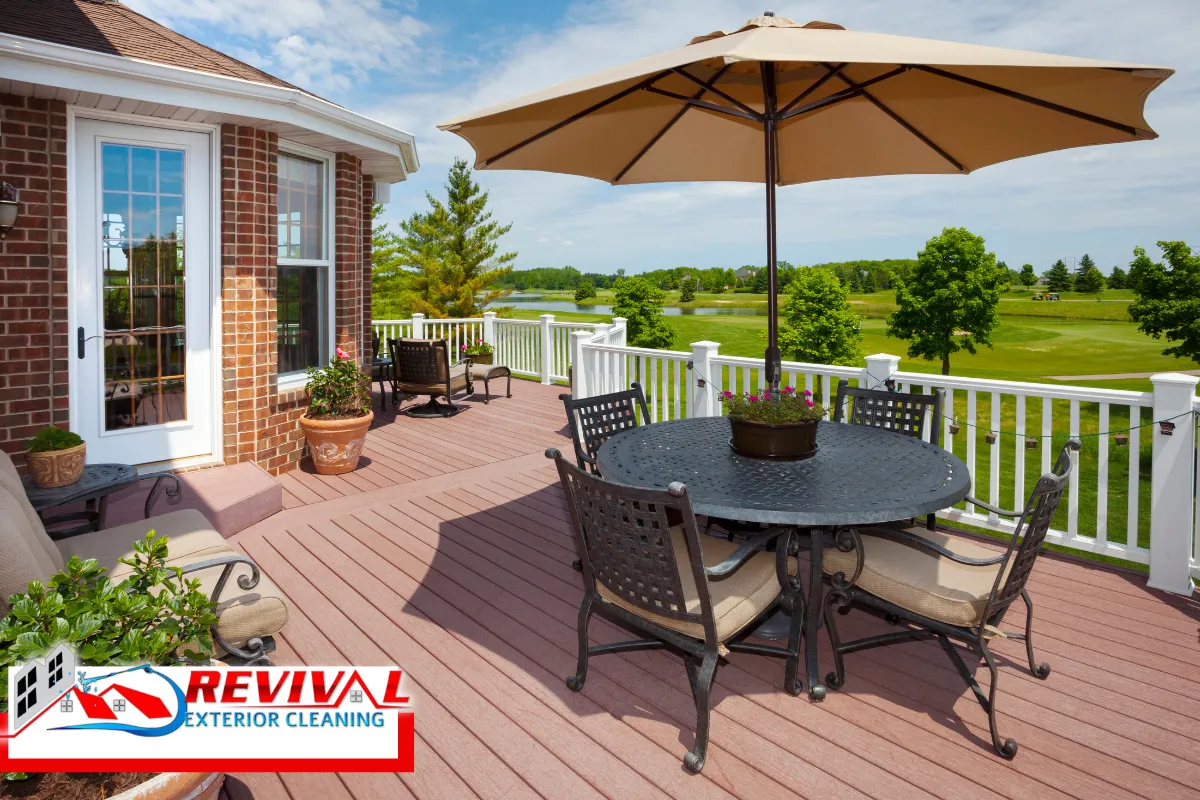
Understanding local weather conditions is the starting point for any effective deck care plan. Charlotte residents face unique challenges that homeowners in drier climates simply do not encounter.
Charlotte’s humid subtropical climate brings high summer humidity often exceeding 70 percent, frequent thunderstorms averaging 50 to 60 per year, and pollen-heavy spring seasons with counts surpassing 10,000 grains per cubic meter during peak months. This combination creates an environment where moisture and shade promote rapid organic growth on deck boards and railings. Mold, mildew, algae, and lichen establish themselves quickly on exterior surfaces, trapping humidity against the wood and initiating rot at rates up to a quarter inch per year in untreated lumber.
Charlotte’s humidity fosters rapid organic growth, making decks susceptible to mold, mildew, and algae that can compromise structural integrity. Pressure washing services in Charlotte, NC, often face unique challenges due to this local climate, including humidity that can lead to mold and mildew growth requiring additional treatments.
UV exposure from strong summer sun causes fading, drying, and hairline cracking in unprotected wood. Temperature swings—daily fluctuations of 20 degrees are common—expand tiny cracks, while occasional winter freezes exacerbate damage on unsealed decks. Regular pressure cleaning or soft washing helps manage these climate stresses before they cause structural issues that require costly repairs.
How Pressure Washing Protects and Extends Deck Life
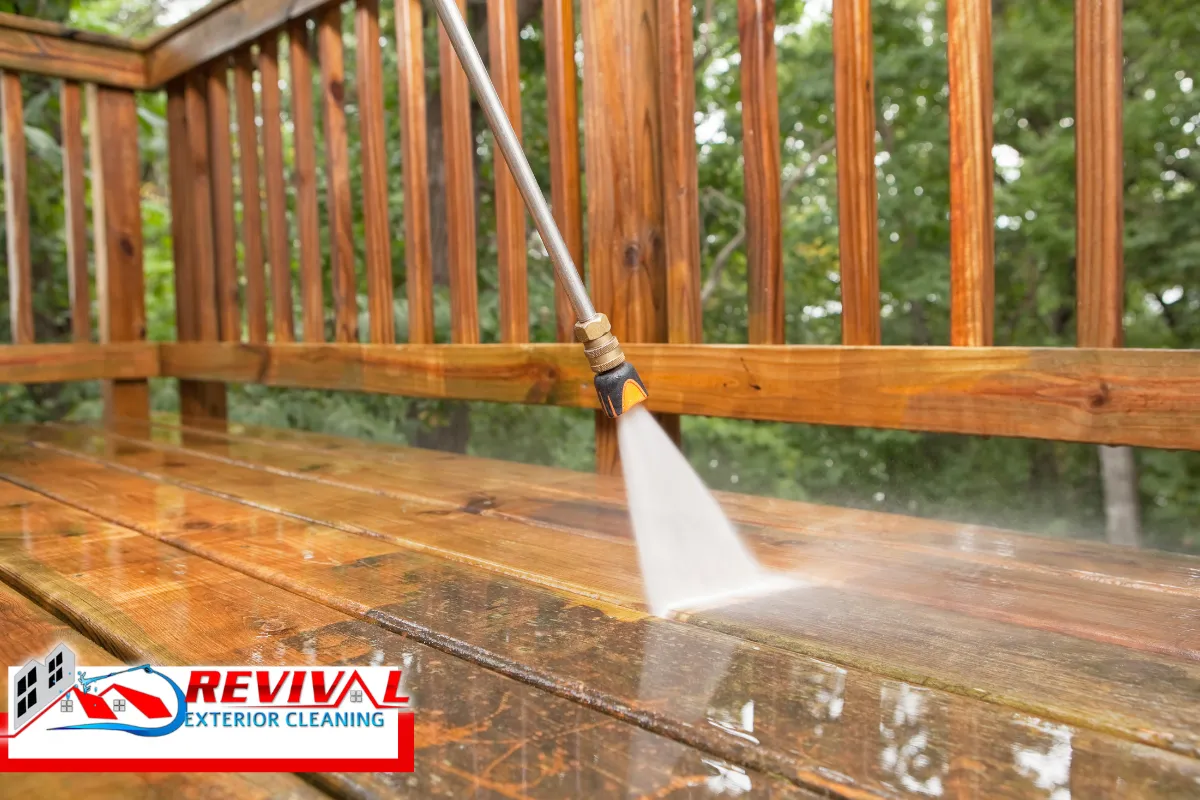
Properly performed pressure washing serves as preventative maintenance that addresses multiple deck threats simultaneously. Regular cleaning helps prevent long-term discoloration and improves safety by eliminating grime and organic buildup before it causes permanent damage.
Removing organic growth like algae, moss, and mildew prevents trapped moisture from breaking down wood fibers and corroding fasteners. Studies show that cleaned surfaces dry 50 to 70 percent faster than those covered in biofilm, keeping equilibrium moisture content below the 20 percent threshold where fungal growth accelerates. Regular pressure washing can remove dirt, mold, and mildew from decks, which can otherwise lead to deterioration and a shorter lifespan.
Clearing dirt, pollen, and leaf debris helps water drain and dry properly, reducing standing water on your deck. A thorough wash removes allergens such as pollen, creating a healthier environment for your family. Pressure washing is an essential step before applying stains or sealants, improving adhesion and longevity of protective coatings—cleaned surfaces achieve roughly 90 percent adhesion compared to just 40 percent on soiled ones.
Safety benefits are equally important. Pressure washing removes slippery algae and moss, which reduces the risk of falls on stairs and walkways. Cleaning a deck with pressure washing can help maintain its appearance and structural integrity, potentially extending its lifespan by several years when combined with proper sealing.
The key is using gentle, controlled methods. A soft wash or appropriately calibrated pressure wash protects your investment, while aggressive blasting can shorten deck life by damaging surface fibers and embedding moisture deeper into the wood.
Choosing the Right Cleaning Method for Your Deck Material
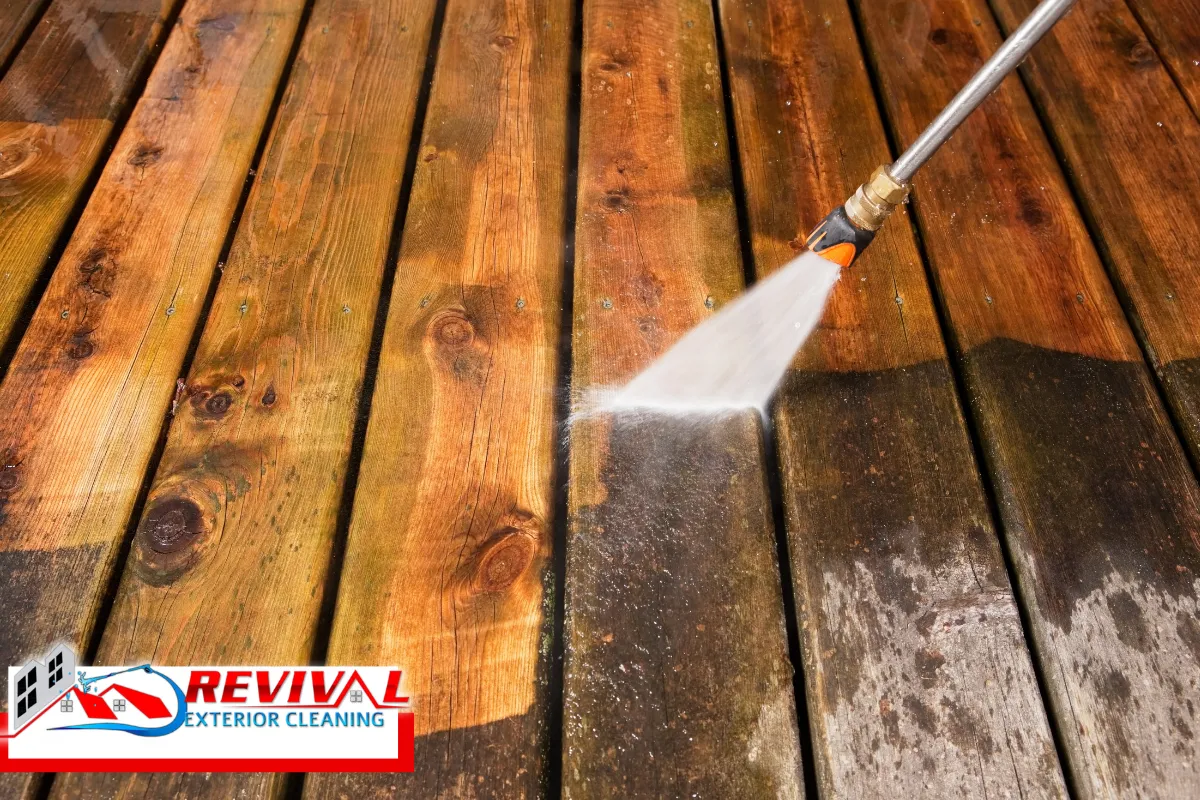
Deck material determines the best cleaning method and appropriate PSI setting. Using the wrong approach can cause more harm than good, regardless of how thorough your cleaning efforts may be.
Common deck types in the Charlotte area include:
- Pressure-treated pine – The most common material locally, representing roughly 60 percent of residential decks
- Cedar – Popular for its natural beauty and moderate durability
- Composite decking – Brands like Trex continue gaining market share
- PVC decking – Requires the gentlest approach
- Older stained hardwoods – May have existing damage requiring extra care
Softer woods need lower pressure, wider fan tips, and careful wand movement to avoid etching and gouging. Composite and PVC decks often benefit from lower pressure plus manufacturer-approved detergents for mold and tannin stains. Always check manufacturer guidelines and consider local building codes before selecting chemicals or equipment for deck maintenance.
Soft Washing vs. Traditional Pressure Washing on Decks
The main difference between these methods is PSI level and reliance on cleaning chemicals. Pressure washing typically uses a very high PSI to clean tough surfaces like wood and concrete, effectively removing stains and dirt through water force alone.
Soft washing employs a lower PSI and is designed for more delicate surfaces, such as vinyl siding and roofs, to prevent damage during cleaning. Soft washing often includes the use of biodegradable detergents to treat organic materials like mold and algae, making it a safer option for sensitive surfaces and heavily weathered decks.
Many Charlotte decks benefit from a hybrid approach: soft wash detergents applied with dwell time followed by a gentle rinse with a pressure washer. This combination reduces the risk of furring, feathering, or striping on older, weathered deck boards while achieving thorough cleaning results.
Recommended PSI and Nozzles for Various Deck Types
These approximate PSI ranges serve as guidelines rather than substitutes for manufacturer instructions:
| Deck Material | Recommended PSI | Nozzle Angle |
| Pressure-treated pine | 500–800 PSI | 25–40 degrees |
| Cedar | 800–1,000 PSI | 25–40 degrees |
| Composite | Under 1,000 PSI | 25–40 degrees |
| PVC | Soft wash only | Wide fan |
| Hardwoods (ipe) | Up to 1,500 PSI | 25–40 degrees |
Always perform test passes in an inconspicuous area before cleaning the whole deck. Keep the spray moving with consistent distance from the surface to avoid streaks and etched lines. Homeowners unsure about equipment or settings should consult a professional deck cleaning service in Charlotte to protect their investment.
Step-by-Step: Best Practices for Safe Deck Pressure Cleaning
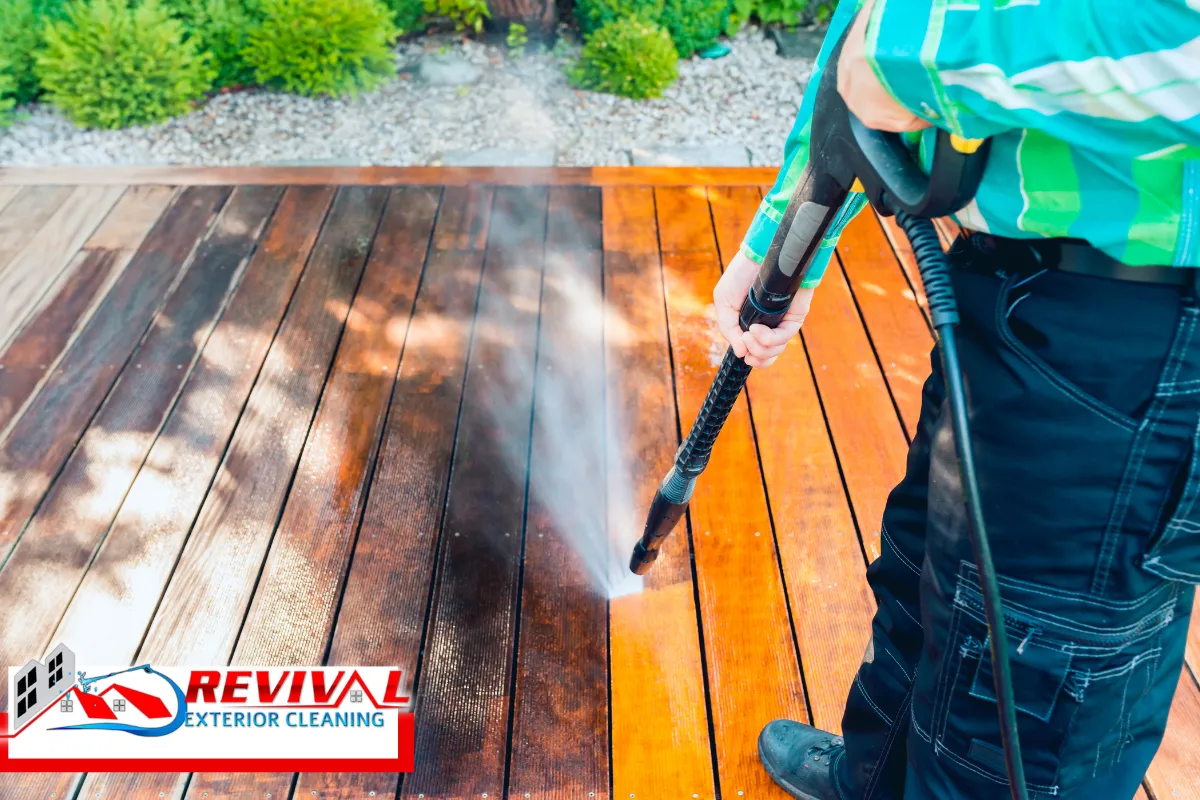
Safety, surface protection, and compliance with Charlotte and North Carolina regulations should guide every cleaning project. Following proper procedures protects both your property and the environment.
Step 1: Inspection Inspect for loose boards, popped nails, rot, and peeling stain before using a pressure washer. Probe questionable areas with a screwdriver—penetration exceeding half an inch flags areas needing repair before cleaning.
Step 2: Preparation Move furniture, protect nearby landscaping with tarps, and cover outlets, lighting, and nearby doors or windows. Detergents can be phytotoxic at higher concentrations, so plant protection matters.
Step 3: Detergent Choice Use exterior cleaners appropriate for wood or composite surfaces. Avoid bleach-heavy mixes unless specifically labeled safe for your deck type. Look for products with pH levels between 8 and 10 that are biodegradable.
Step 4: Application Apply cleaners with a low-pressure sprayer at 40 to 100 PSI. Allow proper dwell time of 15 to 30 minutes while keeping surfaces damp to prevent premature drying.
Step 5: Gentle Rinse Rinse with low to moderate pressure, working with the grain and from the house outward. Maintain consistent distance of 12 to 24 inches from the surface.
Step 6: Drying and Inspection Allow 48 to 72 hours of dry weather before sealing, staining, or replacing hardware. This drying period is critical for proper coating adhesion.
Common DIY Pressure Washing Mistakes That Damage Decks
Many deck failures stem from incorrect DIY cleaning techniques rather than age or material defects. Avoiding these errors protects your investment:
- Using maximum PSI or zero-degree nozzle – This cuts into wood like a chisel, leaving permanent marks and weakening surface fibers
- Holding wand too close or staying in one spot – Causes lines, scalloping, and deep grooves up to a quarter inch
- Skipping detergents – Relying only on water force encourages aggressive blasting that damages surfaces
- Not rinsing cleaners thoroughly – Residue interferes with stain or sealer adhesion and can discolor boards within months
- Washing without checking structure – Missing underlying issues with railings, fasteners, or ledger boards that need repair
Improper pressure washing techniques can lead to increased moisture retention in wood, contributing to future rot. Take time to learn proper methods or hire pressure washing professionals who understand these risks.
Safety, Water Use, and Local Environmental Considerations
Responsible pressure cleaning respects both safety and environmental rules in the Charlotte NC area.
Personal protective equipment should include eye protection, sturdy footwear, gloves, and careful handling of cords and hoses. When hiring pressure washing services, it is important to consider compliance with local runoff regulations.
Mecklenburg County Code requires no discharge to storm drains, with fines starting at $250 for violations. Use phosphate-free cleaners and consider capturing runoff via berms or vacuums when working near storm drains. Biodegradable cleansers are preferable for lawns, gardens, and nearby waterways.
Review HOA rules about exterior cleaning, noise levels, and wastewater disposal before starting. Many Charlotte communities restrict work to morning hours to minimize noise disturbance to neighbors.
Read Can Pressure Washing Remove Nail Rust Stains on Decks in Charlotte, NC?
How Often Should You Pressure Clean a Deck in Charlotte, NC?
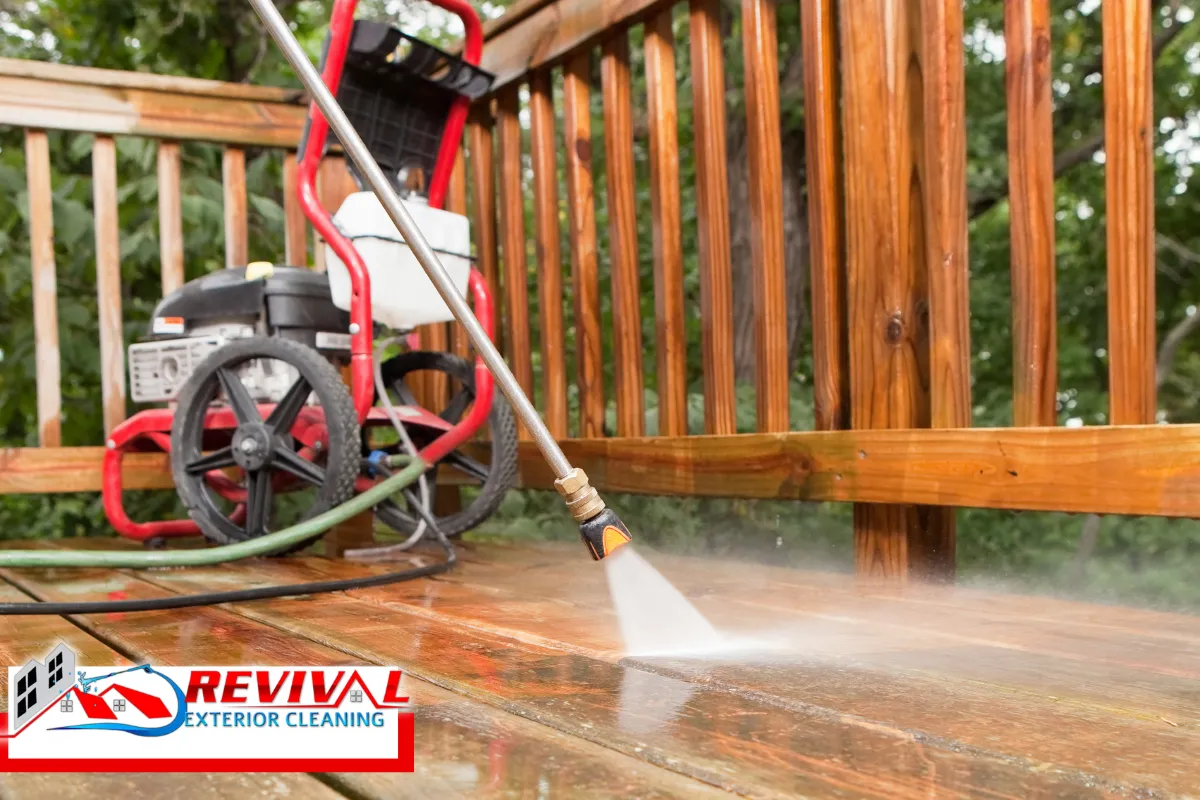
Frequency depends on sun exposure, shade, tree cover, and usage level. Homeowners in Charlotte are advised to wash their exterior surfaces every 12-18 months to prevent the buildup of dirt, mold, and other contaminants that can detract from the property’s appearance.
Most decks in Charlotte benefit from a yearly wash, while those in heavily shaded areas may need cleaning every 6 to 9 months. Properties near Lake Norman or heavily wooded lots experience roughly double the mildew growth due to sustained 90 percent humidity levels.
Signs your deck needs cleaning soon include:
- Visible black or green streaks
- Slippery boards when wet
- Dark mildew patches in corners
- Gray discoloration from UV damage
It is recommended to pressure wash decks at least once a year to prevent buildup of organic materials that can cause damage over time. However, over-washing with high pressure can actually shorten lifespan, so gentle periodic maintenance washes work better than aggressive annual blasting. Pairing cleaning with routine sealing or staining extends protective coverage and helps delay costly replacement.
Seasonal Timing: When Deck Washing Makes the Most Sense
Timing affects drying, product performance, and your ability to enjoy outdoor living spaces promptly after maintenance.
Late spring after pollen season ends or early fall when temperatures moderate represent ideal windows in Charlotte for deck pressure cleaning and resealing. Moderate temperatures between 70 and 80 degrees and lower midday sun are easier on cleaners, coatings, and the deck surface itself.
Washing just before peak pollen season in April and May proves frustrating, as yellow dust quickly recoats freshly cleaned surfaces. Check a multi-day weather forecast to ensure a dry window of at least 48 hours after cleaning and before any staining work begins.
Deck Cleaning, Sealing, and Repairs: Working Together to Add Years
Washing alone is not enough—a complete maintenance cycle delivers the best results. The proper sequence involves pressure wash or pressure clean the deck, allow proper drying, then apply sealant or stain.
Penetrating sealers and high-quality exterior stains protect against UV damage and moisture intrusion. Oil-based penetrating products can extend protection for five years or more when applied to properly cleaned surfaces.
Inspect for loose fasteners, corroded hardware, and minor rot after cleaning when issues are easier to spot. Post-clean inspections reveal roughly 20 percent more issues than inspections on dirty decks. Addressing small problems early prevents major deck repairs or premature replacement.
Consistent maintenance also boosts curb appeal and real estate value for your Charlotte home. A clean, well-maintained exterior can increase a home’s value by up to 5 percent—a significant return on modest maintenance investments.
Cost Considerations: Cleaning vs. Deck Replacement
Regular professional pressure washing represents a modest investment compared to full rebuilds. Professional cleaning runs approximately $0.30 to $0.60 per square foot, while sealing adds another $0.50 to $1.00 per square foot. A 1,000 square foot deck might cost $300 to $600 annually or biennially to maintain.
Compare this to replacement costs of $25 to $50 per square foot, potentially exceeding $25,000 for materials, labor, and permits. When hiring pressure washing services, it is important to consider the potential for extra costs related to specialized equipment for multi-story homes and compliance with local runoff regulations, but these pale in comparison to replacement expenses.
Well-kept decks photograph better for real estate listings and appraisals, offering indirect financial benefits that compound over time. The long-term cost of routine maintenance versus one-time replacement makes professional cleaning an excellent job for protecting your investment.
When to Hire a Professional for Deck Pressure Washing in Charlotte
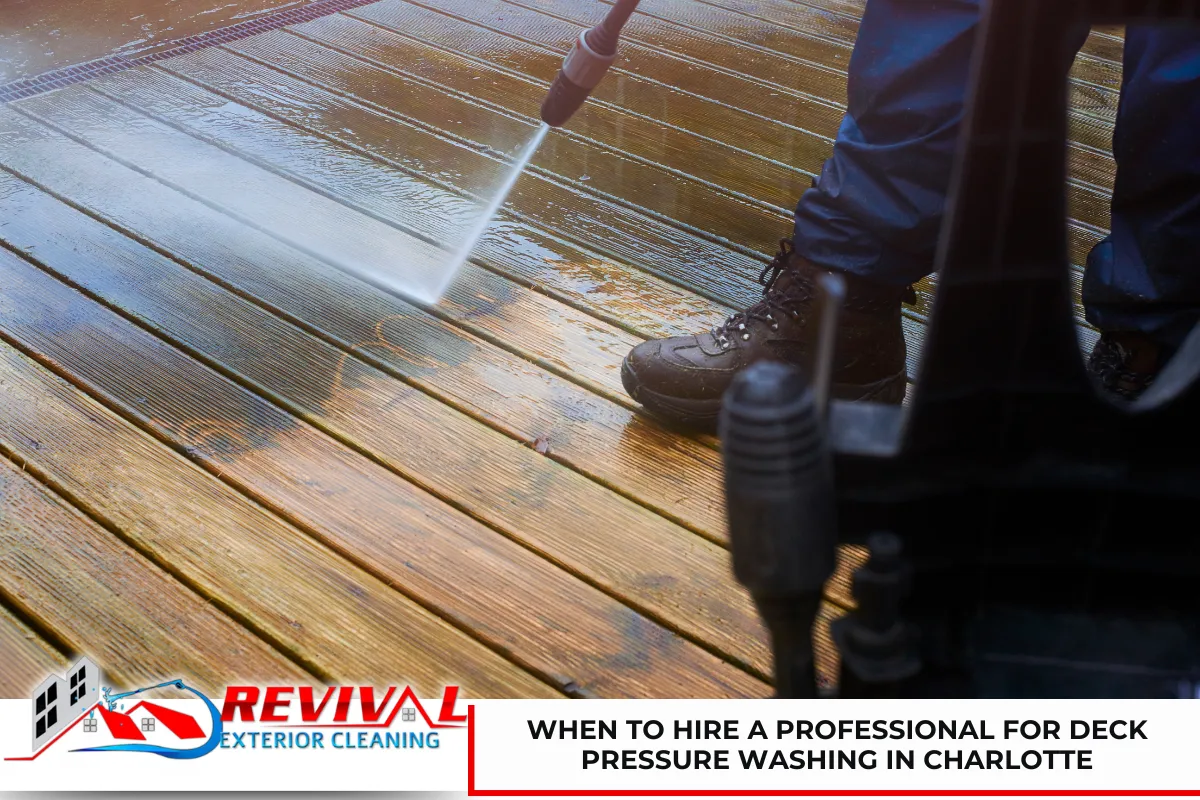
Many homeowners can handle light cleaning safely, but certain situations make professional help the wiser choice.
Consider hiring a pressure washing company when facing:
- Large decks exceeding 500 square feet
- Multi-level structures requiring harnesses
- Steep stairs or complex railing systems
- Composite or PVC materials requiring specific equipment
- Decks with existing damage needing assessment
Professional power washing services bring commercial-grade pressure washers, surface cleaners, and appropriate detergents calibrated for each material type. Benefits include consistent results, reduced risk of damage, significant time savings, and knowledge of best practices for local conditions.
Ensure any contractor uses appropriate pressures, eco-conscious cleaners, and carries proper insurance—$1 million liability coverage is standard in the industry. Many Charlotte homeowners schedule annual or biannual visits to keep decks looking new and structurally sound, treating it as part of routine house washing and exterior maintenance.
Questions to Ask Before You Book a Deck Cleaning Service
A few targeted questions help ensure you hire the right company for your project:
- Experience with your deck material – Ask specifically about their work on pressure-treated wood, composite, or whatever your deck comprises
- PSI ranges and customization – Confirm they tailor settings to each project rather than using one-size-fits-all approaches
- Detergent selection – Inquire which cleaning chemicals they use and whether products are safe for surrounding landscaping
- Runoff management – Ask how they protect storm drains and comply with local regulations
- Portfolio review – Request before-and-after photos of similar local projects to gauge workmanship quality
Doing an excellent job requires understanding both the technical aspects and local considerations that affect Charlotte area properties.
Ready to Pressure Wash Your Decks?
We are Revival Exterior Cleaning & Pressure Washing, and we specialize in deck pressure washing and exterior house washing throughout Charlotte, North Carolina and the prominent surrounding areas. Our trained technicians use carefully calibrated pressure settings, gentle cleaning methods, and proven techniques tailored to each deck type we encounter.
We understand that your deck represents a significant investment in your home’s exterior and outdoor living space. Our pressure washing service helps extend deck lifespan, improve safety by removing slippery organic growth, and restore curb appeal that makes you proud of your property. Whether you have pressure-treated pine, cedar, composite, or other surfaces, we adjust our approach to deliver great service without risking damage.
Ready to protect your deck and boost your Charlotte home’s appearance? Call us today at (980) 264-2359 or fill out our online contact form for a competitive quote. We look forward to showing you the difference professional pressure washing professionals can make.
Frequently Asked Questions
Can pressure washing remove old deck stain, or do I still need to strip and sand?
Pressure washing can remove surface-level stain that has weathered and is beginning to peel or flake. However, for heavily layered stain buildup exceeding two or three coats, or for stain that has penetrated deeply into wood grain, you will likely need a chemical stripper containing citric acid at approximately 10 percent concentration. After stripping, sanding with 80-grit paper smooths the surface and prepares it for new finish. Attempting to blast off stubborn stain with high pressure alone typically damages the wood underneath, creating furring and an uneven surface that accepts new stain poorly. A complete refinishing schedule including stripping, sanding, cleaning, and staining delivers the best results for decks requiring full restoration.
Is it safe to pressure wash a newly built deck in Charlotte, NC?
New decks require a waiting period before pressure washing. Most builders recommend allowing 6 to 12 months for the wood to cure and lose approximately 20 percent of its initial moisture content. Washing too early can drive water deep into wood fibers that have not yet stabilized, potentially causing warping and checking. Before washing, check with your builder or the lumber manufacturer for specific guidance. Some pressure-treated wood comes with chemical treatments that need time to cure before accepting stain. Once the recommended curing period passes, a gentle clean prepares the surface for its first protective coating. Starting the maintenance cycle properly protects your investment from day one.
What type of cleaner should I use for mold and mildew on my deck?
For mold and mildew on decks, quaternary ammonium compounds at 0.1 to 0.5 percent concentration offer effective treatment that remains pet-safe after thorough rinsing. Hydrogen peroxide at 3 percent concentration provides another option that breaks down organic growth without harsh chemicals. Avoid concentrated bleach solutions that raise pH to damaging levels and can etch wood lignin. Always test cleaners in an inconspicuous area first and protect nearby plants with tarps or pre-watering. Look for products labeled biodegradable and appropriate for your specific deck material. Follow manufacturer dilution instructions carefully—stronger is not better and can cause permanent damage to wood fibers and finishes.
Will pressure cleaning my deck affect my home insurance or HOA rules?
Standard homeowner’s insurance policies typically remain neutral regarding routine deck maintenance like pressure cleaning, provided no damage occurs during the process. Document your deck’s condition with dated photographs before and after cleaning to protect yourself against any disputes. HOA rules vary significantly across Charlotte communities—some require pre-approval for exterior work, restrict operating hours to minimize noise, or mandate specific cleanup procedures. Review your HOA covenants and guidelines before scheduling work. Many associations actually encourage regular exterior maintenance and may cite property owners for neglecting visible mold or deterioration. When hiring contractors, verify their business carries adequate liability coverage to protect against accidental damage claims.
Can I use the same pressure washer settings on my deck and concrete driveway?
No—deck and concrete require dramatically different approaches. Concrete driveways can withstand 3,000 PSI or higher due to their compressive strength exceeding 3,000 pounds per square inch. Wood decks need pressures between 500 and 1,200 PSI depending on material hardness. Using driveway settings on your deck causes immediate damage including gouging, furring, and splintering that cannot be reversed. Nozzle selection also differs: concrete cleaning often uses turbo nozzles or surface cleaners, while decks require wide-angle fan tips at 25 to 40 degrees. When transitioning between surfaces during a cleaning session, always adjust PSI settings, swap nozzles, and verify appropriate distance before starting. Treating all exterior surfaces identically is a common mistake that leads to expensive repairs.
Important Note on Deck Cleaning and Local Guidance: This article provides general information about deck maintenance and pressure washing techniques. It does not constitute legal, structural, or professional advice. Homeowners should consult local authorities, manufacturers, or qualified professionals before making maintenance decisions affecting structural elements or compliance with Charlotte and Mecklenburg County regulations.
Read How Often Should I Schedule Driveway Pressure Washing in Charlotte, NC?