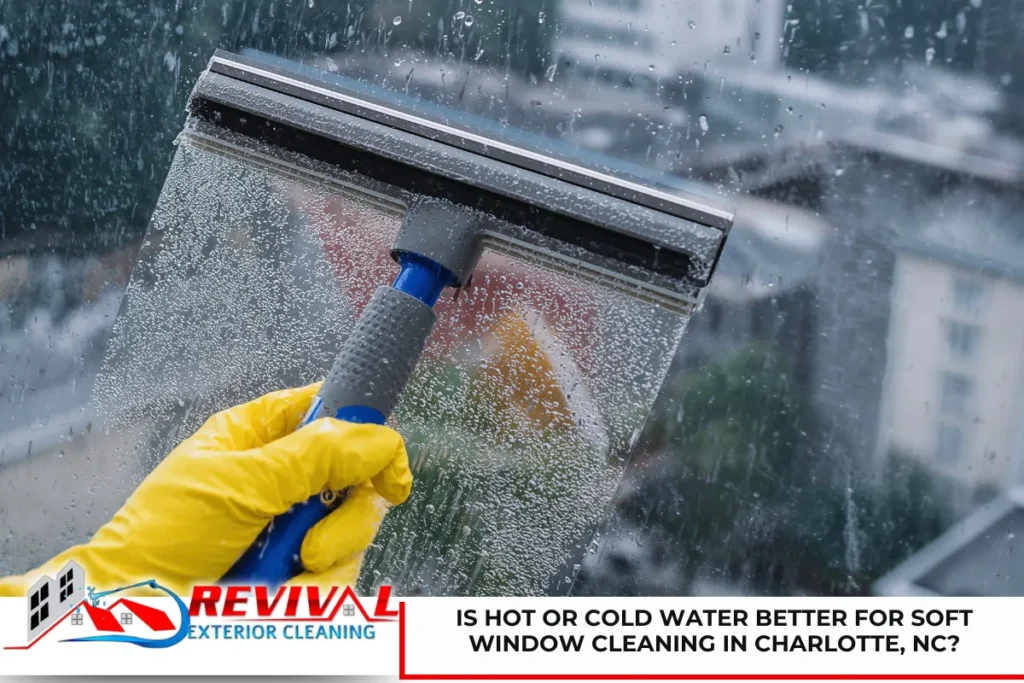
Window cleaning with cool or lukewarm water is generally safer than using hot water on a Charlotte home’s exterior glass. Dirty windows can tempt homeowners to raise the water temperature, especially when pollen, greasy residue, insects, and traffic film refuse to rinse away. However, excessive heat may stress cold glass, soften certain sealants, accelerate solution drying, and leave stubborn streaks behind. That frustration grows when mineral deposits remain after the pane appears clean. The better solution is to match moderate water temperature with purified water, appropriate detergents, soft brushes, low pressure, and controlled rinsing. This balanced method loosens contamination without exposing windows, screens, coatings, frames, or insulated glass seals to unnecessary risk, delivering clearer results across Charlotte’s changing seasonal conditions for local homeowners year-round.
The Practical Answer: Cool or Lukewarm Water Usually Wins
Water does not need to be hot to clean residential windows effectively. For most exterior glass, cool water or water that has been allowed to reach a mild ambient temperature offers the best balance of cleaning performance, surface safety, and working time.
Lukewarm water can help a suitable cleaning solution spread across the pane and loosen light oily film. Cool water is particularly useful when the glass has been heated by direct sunlight because it avoids adding more heat to an already warm assembly. Neither choice should create a dramatic temperature difference between the water and the window.
The condition of the glass matters more than choosing between two extremes. Professionals evaluate sunlight exposure, outdoor temperature, frame material, glazing type, seal condition, and the substance being removed. They then adjust the cleaning method rather than relying on heat as the primary cleaning force.
Very hot water is rarely necessary for routine residential window washing. It may make detergents act faster, but that is not always helpful. On a warm, sunny day, faster evaporation can cause soap and dissolved soil to dry before the final rinse, producing haze or streaks.
Why Water Temperature Is Only One Part of the Result
Five variables largely determine whether exterior glass dries clean:
- Water purity
- Detergent selection
- Surface agitation
- Rinse technique
- Weather and glass temperature
A technically correct temperature cannot compensate for hard water, too much soap, inadequate rinsing, or poor technique. Conversely, ordinary cool water can produce excellent results when the entire process is properly controlled.
How Charlotte’s Climate Changes the Cleaning Decision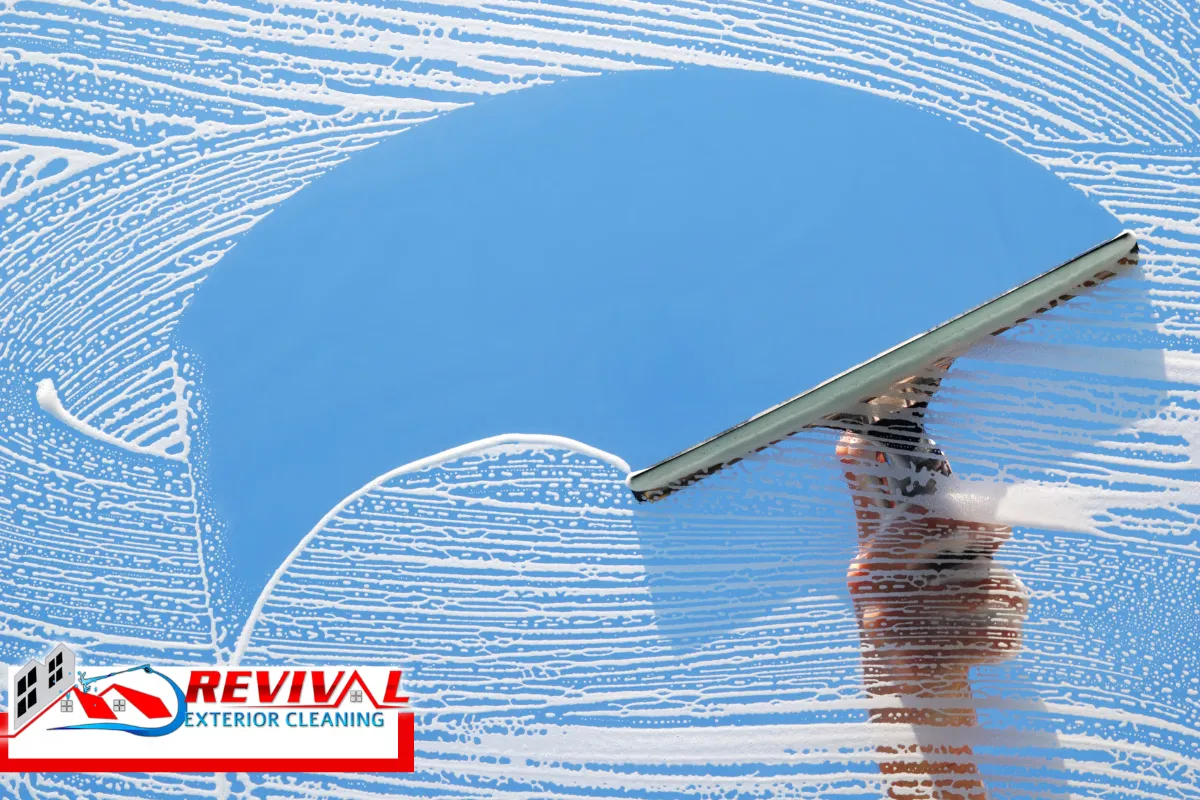
Charlotte experiences warm summers, cooler winter periods, frequent humidity, spring pollen, thunderstorms, and shifting surface temperatures throughout the day. Those conditions affect both the type of contamination on a window and the way a cleaning solution behaves.
Direct sunshine can heat glass well above the surrounding air temperature. If a strong solution is applied to that hot surface, it can begin drying almost immediately. Cleaning shaded elevations first and following the movement of the sun gives the solution enough dwell time to work without baking onto the pane.
Humidity may slow evaporation, but it also supports the growth of organic material around shaded frames, sills, and nearby siding. Rain does not necessarily clean those surfaces. Instead, it can carry pollen, airborne dust, and roof residue onto the glass before drying in spots.
Spring Pollen and Organic Buildup
Charlotte’s spring pollen can settle as a yellow-green film across glass, screens, ledges, and frames. When pollen becomes wet, it may smear rather than rinse away cleanly. A soft brush and a compatible surfactant are usually more effective than increasing the water temperature.
Organic buildup around window trim may also include algae, mildew-like staining, insect residue, and cobwebs. These materials require adequate contact time and gentle agitation. Hot water alone does not reliably neutralize or remove every contaminant.
Summer Heat and Rapid Drying
In summer, a south- or west-facing pane can become uncomfortably hot to the touch. Applying very hot water to it may not crack the glass, but it can speed evaporation and shorten the useful cleaning period. Cool water helps manage the surface temperature while extending working time.
Cleaning early in the day or after direct sunlight has moved away from the elevation can improve results. Working in manageable sections also prevents detergent from drying before it is thoroughly rinsed.
Cooler Weather and Thermal Stress
During colder conditions, pouring hot water onto cold glass creates an abrupt temperature difference. Glass expands when heated, and uneven expansion can place stress on existing chips, edge damage, or weak points.
The risk depends on the glass type, temperature difference, thickness, installation, and existing condition. It is therefore inaccurate to claim that hot water always cracks windows. The safer principle is to avoid sudden extremes and use water reasonably close to the temperature of the surface.
What “Soft” Window Care Actually Means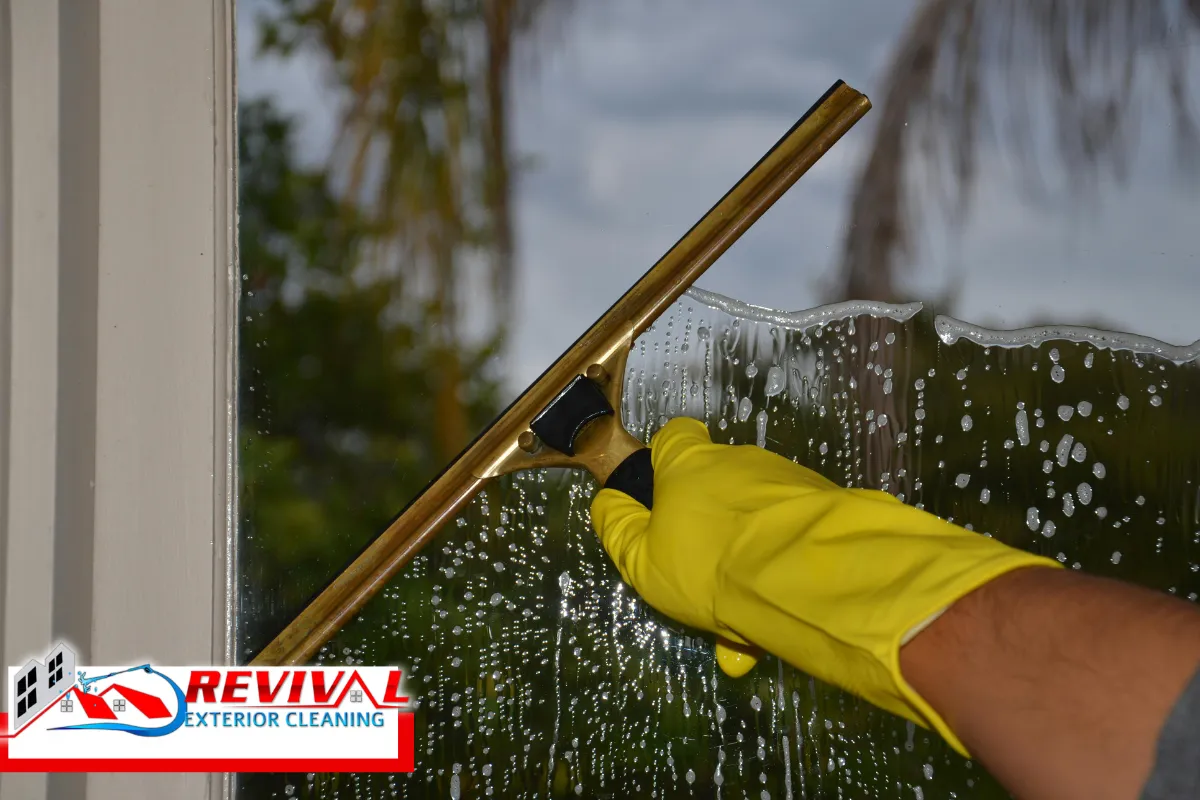
Soft washing windows involves low-pressure application, carefully selected cleaning products, gentle agitation when needed, and a controlled rinse. It should not be confused with directing an aggressive high-pressure stream at glass, glazing, frames, or weather seals.
The objective is to let chemistry and technique loosen the dirt. Water then carries the released material away. This reduces the need to use force around vulnerable window components.
A professional may use several tools:
- A soft-bristled water-fed pole
- Purified water filtration equipment
- Low-pressure pumps
- Microfiber scrubbers
- Squeegees and detailing cloths
- Screen-safe brushes
- Surface-compatible cleaning agents
- Controlled-flow rinse equipment
The exact setup depends on the height, accessibility, window design, contamination, landscaping, and runoff-control requirements.
Low Pressure Is Not the Same as Low Effectiveness
High force is unnecessary for ordinary pollen, dust, cobwebs, and atmospheric soil. Proper chemical contact and light agitation can break the bond between these contaminants and the surface.
Low pressure also gives an operator greater control near weep holes, failed caulking, loose screens, oxidized frames, and aging seals. The process can still be thorough without driving water into the building envelope.
Why You Should Not Pressure Wash Windows Directly
A pressure washer can produce enough force to damage insect screens, disturb glazing compounds, strip paint, bend trim, or push moisture through small gaps. A concentrated stream may also expose weaknesses in an older insulated glass unit.
The equipment itself is not automatically unsuitable. It can support exterior maintenance when fitted with the correct downstream system, nozzle, flow, distance, and pressure controls. The danger comes from using a narrow, forceful stream directly against a window assembly.
If someone plans to pressure wash windows, the safer interpretation should be washing the surrounding exterior with a low-pressure process while treating the glass and seals cautiously. The trigger should never replace professional judgment.
Hot Water: Limited Benefits and Important Tradeoffs
Warm water can improve the performance of some detergents and help loosen oily residue. That benefit may be useful on commercial kitchen film or certain stubborn deposits, but those are not typical conditions on most residential exterior windows.
Temperature can reduce a liquid’s viscosity and help a solution wet a surface. Yet the improvement becomes less important when a suitable surfactant is already doing that work.
When Mildly Warm Water May Help
Moderately warm water may be appropriate when:
- The glass is shaded and not significantly colder than the water
- Greasy airborne film is present
- A product’s instructions recommend a defined temperature range
- The window seals and coatings are in sound condition
- The operator can rinse the solution before it dries
“Mildly warm” does not mean boiling, steaming, or extremely hot. A conservative temperature difference is more important than chasing maximum heat.
Why Excessive Heat Can Create Problems
Very hot water introduces several avoidable concerns:
- Thermal stress may affect cold or damaged glass.
- Cleaning agents can dry too quickly.
- Some adhesives, sealants, films, or coatings may react poorly.
- Heated runoff may affect nearby plants when combined with cleaning products.
- Operators face an increased burn hazard.
- Energy use rises without guaranteeing clearer glass.
Manufacturer instructions should take priority when a window has aftermarket tint, specialized coatings, decorative films, laminated components, or unusual framing materials.
Cold Water: Safe, Efficient, and Usually Sufficient
Cold or ambient-temperature water is appropriate for the majority of residential exterior work. With the right process, it removes loose dirt, pollen, insect residue, cobwebs, and detergent-lifted grime without introducing needless heat.
The word “cold” should not be interpreted as ice water. The goal is stable, moderate conditions. Water from an outdoor connection may already be suitable unless either the supply or the glass is at an extreme temperature.
Cool water also supports longer dwell and rinse times in hot weather. Since it does not evaporate as rapidly as heated water, the operator has more opportunity to work across the pane before deposits redevelop.
The Limitation of Ordinary Tap Water
Charlotte-area tap water contains dissolved minerals. The precise mineral content varies, but any untreated water can leave spots when droplets evaporate on glass.
These marks are not necessarily leftover dirt. They may be deposits of calcium, magnesium, silica, or other dissolved solids. Hot water does not eliminate them. In fact, faster evaporation can make spotting appear sooner.
That is why water quality may matter more than water temperature.
Read Does Soft Window Cleaning Keep Charlotte Homes Cleaner Longer Than Traditional Methods?
Purified Water Produces the Most Noticeable Difference
A modern water-fed pole system often passes water through filtration stages such as sediment filtration, carbon treatment, reverse osmosis, and deionization. The goal is to lower total dissolved solids, commonly abbreviated as TDS.
When properly purified water is applied after the glass and frames have been thoroughly scrubbed, it can dry without leaving the mineral residue associated with ordinary tap water. This allows a window cleaner to rinse the pane without wiping every elevated section by hand.
How a Water-Fed Pole Process Works
A typical purified-water procedure includes the following steps:
- The operator checks water quality with a TDS meter.
- Loose cobwebs and debris are removed.
- Frames are scrubbed before the main glass surface.
- A soft brush agitates the pane and edges.
- Contamination is rinsed downward.
- The glass receives a final rinse with purified water.
- The pane is left to air-dry without being touched.
The final rinse must be generous enough to remove loosened debris and contaminated solution. If dirty water remains on the surface, even highly purified rinse water cannot guarantee a spotless result.
Why Frames Must Be Cleaned First
Frames collect oxidation, soil, pollen, and residue. If they are ignored, the final rinse can pull contaminants from the top rail and release them across freshly cleaned glass.
Oxidized aluminum or painted frames may continue shedding chalky material. In these situations, the operator may need to modify the method, perform additional rinsing, or use traditional detailing rather than relying entirely on air drying.
Different Window Materials Require Different Decisions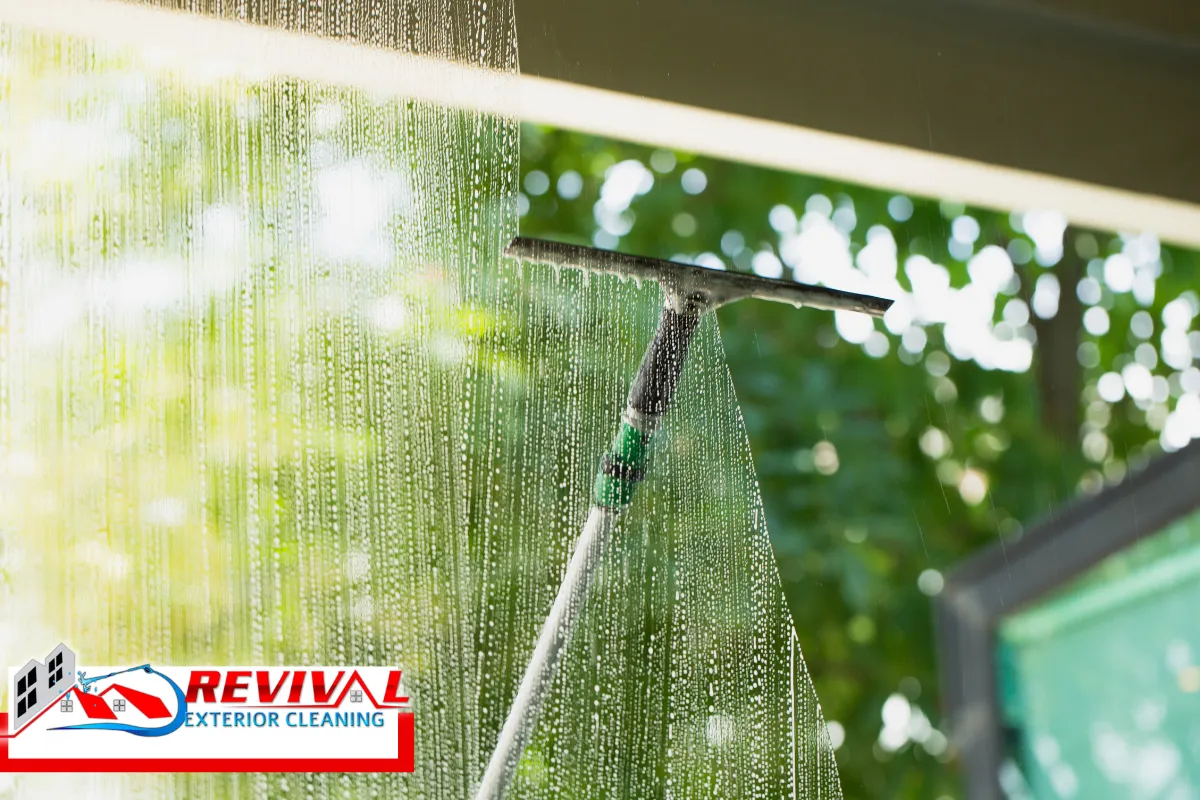
Not every window should receive an identical treatment. Residential assemblies may combine glass, vinyl, aluminum, painted wood, fiberglass, rubber seals, silicone, screens, and factory coatings.
Insulated Glass Units
Double-pane and triple-pane windows contain sealed spaces between panes. Exterior cleaning cannot repair fogging or moisture trapped inside that sealed unit. If haze remains after both accessible surfaces are cleaned, seal failure may be the cause.
Low-pressure cleaning helps avoid forcing water into drainage channels or weak exterior joints. Existing seal failure should be documented rather than blamed automatically on the washing process.
Low-E Coatings and Applied Films
Low-emissivity coatings are often located inside a sealed glass assembly, where routine exterior cleaning cannot reach them. Aftermarket film, however, may be installed on an accessible surface and require special care.
Abrasive pads, razor blades, ammonia-based products, or excessive heat can be unsuitable for some films. Homeowners should retain product information and tell the service provider about tinting or specialty treatments before work begins.
Tempered, Laminated, and Decorative Glass
Tempered glass is designed to respond differently from ordinary annealed glass when broken, but that does not make its surface immune to scratches. Fabricating debris, trapped grit, and inappropriate scraping tools can still damage it.
Laminated and decorative glass may include layers, textures, coatings, or leaded elements requiring a more conservative approach. A test area can reveal whether a proposed product affects clarity, color, or surrounding materials.
Vinyl, Wood, and Aluminum Frames
Vinyl frames are generally moisture-resistant, but their joints and seals should not be blasted. Painted wood requires particular care because peeling paint, open joints, and decay can admit water. Aluminum may oxidize and release a chalky residue that spreads onto the pane.
The safest method begins with inspection. Water temperature is then adjusted to the weakest component in the assembly, not merely to the strength of the glass.
Matching the Solution to the Contaminant
Effective cleaning begins by identifying what is on the window. A single chemical cannot safely solve every problem.
Pollen, Dust, and Cobwebs
These common contaminants usually respond to cool water, a mild surfactant, gentle brushing, and a thorough rinse. Screens may need to be removed or washed separately so trapped pollen does not run back onto the pane.
Insect Residue and Bird Droppings
These deposits should be softened before removal. Aggressive dry scraping can drag grit across the surface. Dwell time and a nonabrasive scrubber are safer than excessive force.
Workers should wear suitable protective equipment and wash their hands after handling biological material. Nearby intake vents and open windows should remain closed during exterior work.
Hard-Water Deposits
Mineral spotting may require a glass-safe acidic cleaner or specialized restoration process. This work differs from routine maintenance because the deposits can chemically bond to or etch the surface.
Abrasive compounds and acids can damage frames, stone, paint, plants, or coated glass when misused. Testing, controlled application, and complete rinsing are essential.
Paint, Adhesive, and Construction Debris
Overspray, sealant, mortar, and adhesive need contaminant-specific removal methods. Applying more heat or pressure can spread the material or scratch the pane.
Razor use deserves particular caution. A blade may be acceptable on certain uncoated glass under controlled conditions, but it can scratch surfaces containing fabrication debris or damage applied film. Identifying the glass should come first.
A Safer Soft-Cleaning Sequence for Residential Windows
A consistent procedure reduces missed edges, streaking, intrusion, and landscaping damage.
1. Inspect the Property
Check for cracked panes, loose glazing, failing caulk, torn screens, open windows, damaged frames, exposed electrical components, and existing interior moisture. Photographing notable defects can establish their pre-service condition.
2. Evaluate Sun and Surface Temperature
Work on shaded elevations when practical. Avoid applying very warm water to cold glass or very cold water to an extremely hot pane. If the surface is overheated, allow it to cool naturally before proceeding.
3. Protect the Surroundings
Move delicate furnishings away from open areas, confirm windows are closed, and protect sensitive vegetation as appropriate. Use the smallest effective amount of cleaning product.
4. Apply a Compatible Solution
Follow the product label, including dilution, personal protective equipment, dwell time, and surface limitations. Mixing chemicals without verified compatibility can create hazardous reactions or damage building materials.
5. Agitate Gently
Use a soft brush or nonabrasive washer to release attached dirt. Pay attention to corners, frame edges, muntins, and ledges without forcing water into gaps.
6. Rinse Methodically
Rinse from the upper section downward. Keep dirty runoff from passing repeatedly over finished areas. A purified final rinse can reduce spotting where the water system and surface condition support spot-free drying.
7. Inspect After Drying
Some residue becomes visible only after evaporation. View the glass from several angles and under changing light. Correct isolated drips, edge marks, or frame runoff before moving equipment.
Common Mistakes That Cause Streaks or Damage
Temperature receives considerable attention, but most disappointing results come from simpler errors.
- Cleaning sun-heated glass without controlling evaporation
- Using too much detergent
- Allowing solution to dry on the pane
- Rinsing with mineral-rich water and leaving droplets behind
- Washing the glass before dirty upper frames
- Applying a narrow high-pressure stream near seals
- Scrubbing with contaminated pads or brushes
- Ignoring manufacturer instructions for films and coatings
- Leaving screens dirty
- Failing to control chemical runoff
Another common mistake is assuming every cloudy pane is dirty. Fogging between panes, etched mineral damage, scratched glass, damaged film, and oxidized frames require repair or restoration rather than another routine wash.
How Often Charlotte Homes May Need Window Care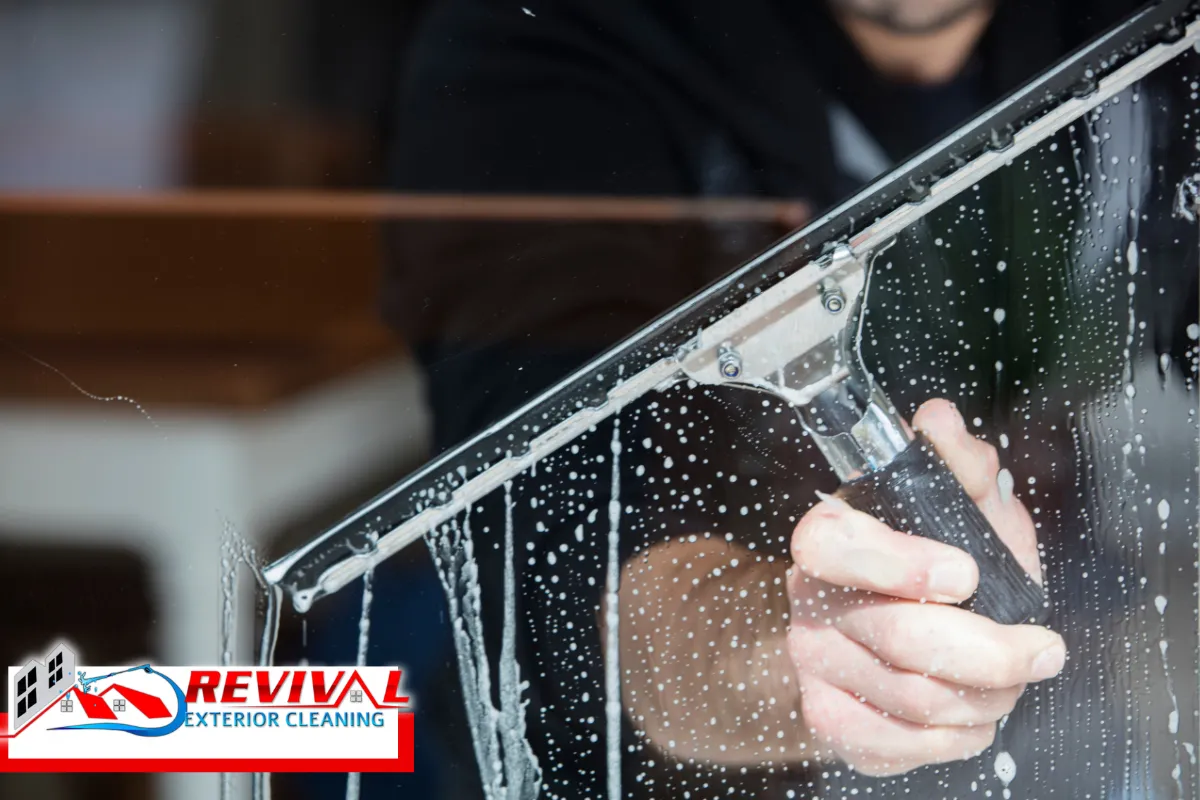
There is no universal schedule. Many homes benefit from exterior service once or twice per year, but conditions around the property determine the practical interval.
More frequent care may be helpful when a home is exposed to:
- Dense tree cover
- Heavy spring pollen
- Nearby construction dust
- Irrigation overspray
- Frequent insect activity
- Shaded, moisture-prone elevations
- Busy-road residue
- Mineral-rich sprinkler water
Routine maintenance prevents soil from becoming heavily bonded to the surface. It also gives the service provider regular opportunities to notice deteriorating caulk, damaged screens, frame oxidation, or seal-related cloudiness.
The Best Temperature Is the One That Protects the Entire Window
For most Charlotte homes, cool or lukewarm water is better than very hot water for soft exterior window care. Moderate temperature reduces thermal stress, limits premature drying, and works well with purified water, compatible detergents, soft agitation, and low pressure.
Hot water is not automatically harmful, but it offers limited advantages for routine residential soil. When specialized greasy contamination justifies added warmth, the temperature should remain controlled and appropriate for the glass, frame, seals, films, and outdoor conditions.
The clearest results come from treating the window as a complete assembly rather than a sheet of glass. Inspection, water purity, surface-safe chemistry, patient technique, and responsible runoff management matter far more than making the water as hot as possible.
Window Cleaning in Charlotte, NC – Reach out to Revival Exterior Today!
At Revival Exterior Cleaning & Pressure Washing, we provide careful window cleaning designed for Charlotte homes and properties throughout prominent surrounding areas. We evaluate the glass, frames, seals, buildup, sunlight, and outdoor temperature before selecting an appropriate low-pressure method. Our team uses controlled application and thorough rinsing to remove pollen, grime, cobwebs, and exterior residue without treating delicate windows like durable concrete. Whether your glass needs routine maintenance or attention after seasonal buildup, we focus on clear results and responsible care around your property. Call Revival Exterior Cleaning & Pressure Washing at (980) 264-2359 to discuss your needs, or fill out our contact form to request service. We are ready to restore a cleaner, brighter view with dependable exterior care for your entire Charlotte property.
Frequently Asked Questions
Can exterior window cleaning remove fog trapped between double-pane glass?
No. Fog, droplets, or a milky appearance between panes normally indicates that the seal around an insulated glass unit has failed. Exterior work can remove dirt from the accessible surfaces, but it cannot reach moisture inside the sealed cavity. A technician can clean both exposed sides first to confirm that the cloudiness is internal. If it remains, the insulated glass unit may need professional evaluation, repair, or replacement. Continuing to scrub the outside with stronger products will not correct seal failure and could damage coatings or frames. Homeowners should also check the window warranty before authorizing replacement work, since some insulated units retain coverage.
Should window screens be cleaned during the same appointment?
Cleaning screens during the same visit can help prevent dust, pollen, and dirty water from transferring back onto freshly washed glass. The appropriate method depends on the screen material, age, and condition. A sound screen may be gently brushed and rinsed, while a brittle, torn, loose, or sun-damaged screen needs more cautious handling. Removable screens can often be cleaned separately and allowed to dry before reinstallation. Fixed screens require controlled water flow so residue does not collect around tracks or interior sills. Screen cleaning should be discussed beforehand because it may not be automatically included in every exterior service package or estimate.
How long should windows stay clear after professional service?
The result may last several months, but exposure determines the actual interval. A shaded window beneath trees may collect pollen, sap, insects, and organic debris faster than an open, sunlit pane. Irrigation overspray can create mineral spots within days if sprinkler heads repeatedly wet the glass. Construction activity, busy roads, storms, and nesting birds can also shorten the clean period. Homeowners can extend results by adjusting sprinklers, trimming vegetation away from panes, keeping gutters functional, and repairing screens. Rain alone does not necessarily make professionally cleaned glass dirty; residue appears when rainwater carries dust or pollutants onto the surface and then evaporates.
Can windows be professionally cleaned when rain is forecast?
Light rain does not automatically prevent service because correctly cleaned glass can remain clear after ordinary rainfall. However, thunderstorms, strong wind, lightning, heavy runoff, or unsafe ladder conditions justify postponement. Wind can blow spray away from the intended surface, carry debris onto wet glass, and make elevated work hazardous. A forecast should also be considered when cleaning products require specific dwell, rinse, or drying conditions. The service provider must judge site conditions at the appointment rather than relying only on the percentage shown in a weather application. Safety, chemical control, runoff management, and the ability to inspect the finished glass should guide the final decision.
Do exterior windows need to be opened before they are cleaned?
Exterior-only service generally requires windows to remain securely closed. Opening them can allow water or cleaning solution to reach interior walls, flooring, furnishings, tracks, or electrical components. Homeowners should confirm that every sash is completely shut and that damaged locks or seals are reported before work begins. Interior access may be necessary when both sides of the glass are included, removable screens must be released from indoors, or a window design limits outside access. Pets and security systems should also be considered before opening any unit. The service provider and homeowner should agree on access, screen handling, and interior protection during the pre-service walkthrough.
Disclaimer: Cleaning requirements vary by glass, coating, frame, weather, and local water restrictions. Follow product instructions, current Charlotte regulations, and qualified professional guidance before applying chemicals, heated water, or pressurized equipment.
Read Is Pressure Washing Safe for Stucco Houses in Charlotte, NC?