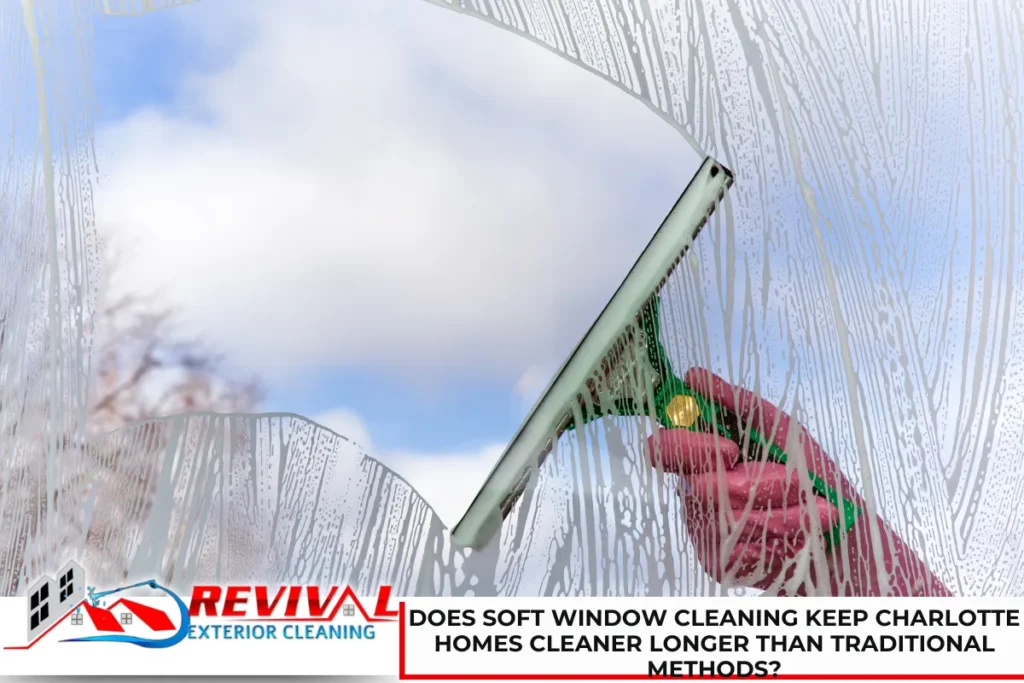
Window cleaning can keep Charlotte homes looking cleaner longer when a gentle, thorough process removes grime from the glass, frames, sills, and screens instead of treating only visible spots. Yet many homeowners see haze, pollen, water marks, or mildew return soon after a basic wash. That recurring buildup wastes time, dulls natural light, and may leave delicate seals or finishes exposed to unnecessary scrubbing and pressure. Soft cleaning offers a better answer by combining controlled water flow, suitable solutions, careful agitation, and complete rinsing. Although no method can stop fresh pollen or rain, a residue-free service gives airborne debris fewer sticky surfaces to cling to. The result is clearer glass, cleaner surrounding components, and a finish that can remain presentable noticeably longer between scheduled visits.
The Short Answer: Method Matters More Than the Label
Soft cleaning can help exterior windows stay presentable longer than a hurried traditional wash, but low pressure alone is not what produces the advantage. Longevity depends on whether the service removes the complete layer of contamination and leaves no detergent, minerals, or dirty water behind.
A skilled traditional method using a washer sleeve, appropriate solution, professional squeegee, and clean detailing cloth can produce outstanding results. It is especially effective on interior panes, fingerprints, greasy films, and accessible exterior glass. Problems arise when the cleaner washes only the center of each pane while ignoring frames, screens, tracks, and upper ledges.
Those overlooked components can hold pollen and dirty residue. The next rainfall carries that material back across freshly cleaned glass.
Soft washing windows takes a broader approach when performed correctly. The technician treats the window as an assembly rather than an isolated pane. Gentle agitation loosens debris around the frame, a low-pressure rinse clears surrounding surfaces, and the glass receives the finishing method appropriate for its condition.
This distinction is important. Soft cleaning is not permission to spray chemical solution indiscriminately over glass. Concentration, dwell time, temperature, surrounding materials, rinsing, and runoff control must all be managed carefully.
What “Soft” Cleaning Actually Means for Residential Windows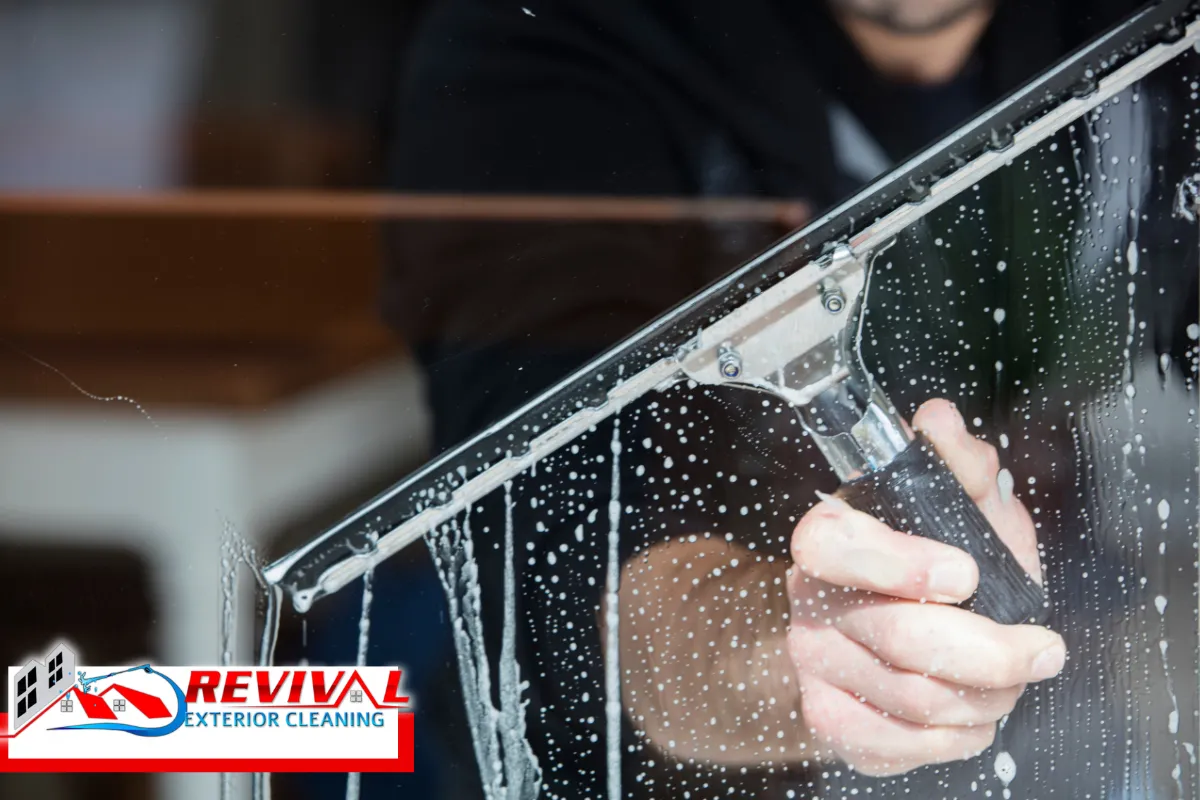
Soft exterior cleaning uses substantially less force than high-pressure surface washing. It relies on cleaning chemistry, contact time, brushes, purified water, or a combination of these tools to loosen organic growth and atmospheric soil.
For windows, a controlled process may include:
- Inspecting the glass, seals, glazing, screens, frames, and nearby finishes.
- Removing loose cobwebs, insect nests, leaves, and dry debris.
- Pre-wetting sensitive plants and adjacent surfaces when necessary.
- Applying a glass-compatible solution at an appropriate dilution.
- Agitating corners, frames, sills, and other collection points.
- Rinsing thoroughly with low-pressure or purified water.
- Checking the dry glass for spots, streaks, residue, or missed edges.
The exact procedure should change according to the window. Painted wood, vinyl, aluminum, fiberglass, coated glass, historic panes, and insulated glass units do not share identical maintenance needs.
A professional also distinguishes ordinary environmental film from bonded contaminants. Paint overspray, mortar dust, silicone, adhesive, oxidation, and hard-water deposits may require specialized restoration. More pressure is rarely the safest answer.
Low Pressure Is Only One Part of the Process
Gentle water delivery helps reduce the chance of forcing moisture past weatherstripping, failed caulk, weep systems, or vulnerable glazing. It also makes the method more suitable for insect screens and painted trim.
However, low pressure cannot compensate for poor technique. Weak rinsing may leave cleaning agents behind, while careless application can allow a solution to dry on hot glass. The desired result comes from matching the solution and tools to the contaminant, then completing a meticulous rinse.
Soft Washing Is Not the Same as Pure-Water Cleaning
These terms are sometimes used interchangeably, but they describe different concepts.
Soft washing refers broadly to cleaning with low pressure and controlled chemistry. Pure-water cleaning sends filtered water through a water-fed pole and brush. Filtration systems commonly use sediment removal, carbon filtration, reverse osmosis, or deionization to reduce dissolved minerals.
When appropriately purified water dries on properly cleaned glass, it leaves very little mineral residue. That makes it useful for high exterior panes and many routine maintenance visits. It may also reduce the amount of detergent remaining on the surface.
Pure water is not a cure for every stain. Heavy organic buildup, greasy contamination, artillery fungus, paint, mineral deposits, and neglected frames may need pretreatment or careful manual work first.
Why Charlotte Windows Become Dirty So Quickly
Charlotte’s humid subtropical conditions create several overlapping maintenance challenges. Warm seasons bring airborne pollen, thunderstorms, high humidity, insects, and vigorous plant growth. Homes near mature trees, active roads, construction, or irrigated landscaping often experience faster accumulation.
Pollen Creates More Than a Yellow Dusting
Pine and other plant pollen can settle on glass, screens, sills, and horizontal trim. Dry pollen may initially brush away, but humidity and rain can turn it into a stubborn film. If the screen remains dirty, wind or splashing water may transfer particles back to the pane.
A quick cleaning immediately before a heavy pollen period may therefore have a short visual life. Scheduling exterior service after the most intense seasonal accumulation can produce a longer-lasting result.
Humidity Supports Organic Buildup
Moisture does not make clean glass dirty by itself. It does, however, create favorable conditions for mildew, algae, and biofilm on shaded frames, seals, siding, and nearby trim. North-facing areas and windows under dense tree cover may remain damp longer after rain.
A squeegee-only pass over the pane does little to address growth around those edges. Gentle treatment of the surrounding assembly can delay the transfer of grime back onto the glass.
Rain Reveals Existing Contamination
Clean rain is frequently blamed for spots that actually come from dirty screens, roof runoff, frames, or mineral-rich sprinkler water. As droplets move across contaminated surfaces, they collect particles and redeposit them.
This explains why one storm may barely affect a properly cleaned window while another leaves obvious trails. The path the water follows matters as much as the rain itself.
Landscaping and Irrigation Add Minerals
Sprinklers aimed toward a house can repeatedly wet lower windows. When the water evaporates, dissolved calcium and other minerals may remain as pale spots or a cloudy deposit.
Routine washing may remove fresh marks. Established scale can bond to glass and require restoration procedures that are different from ordinary maintenance. Redirecting sprinkler heads is often the most effective way to prevent the problem from returning.
How Traditional Window Washing Performs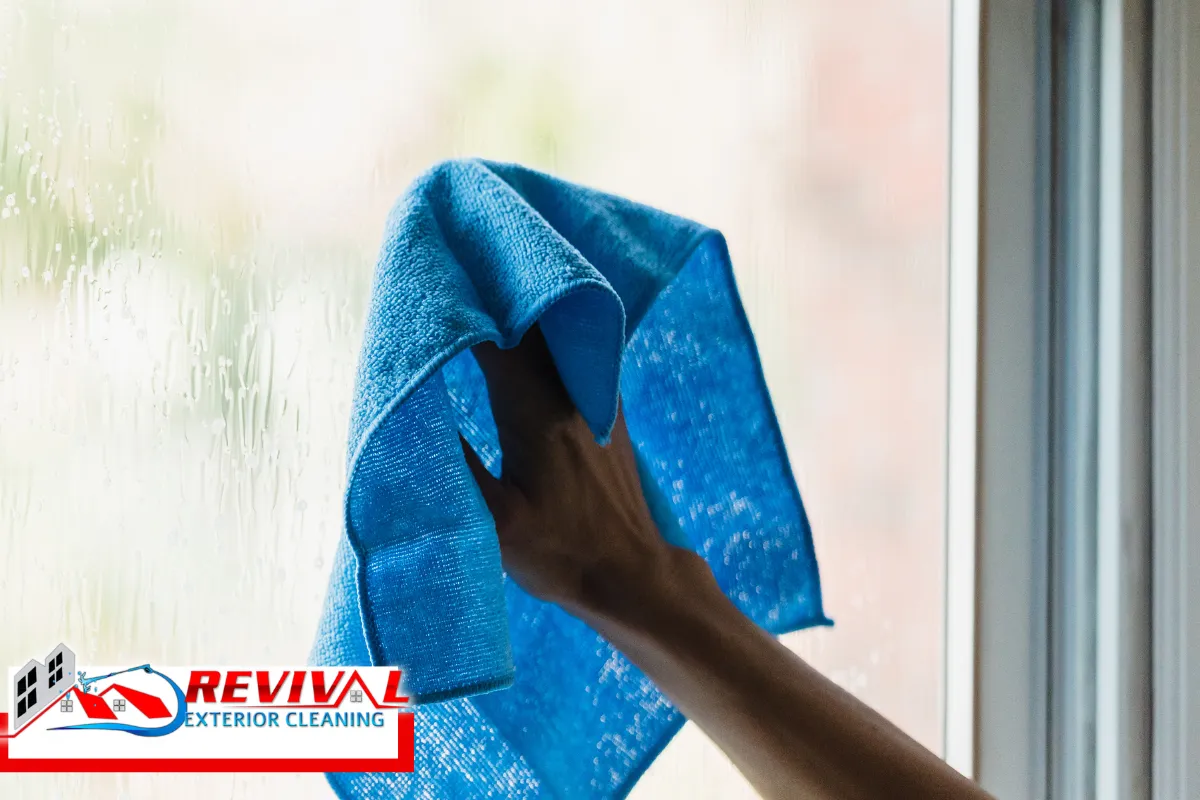
Traditional window washing remains a highly effective method in capable hands. A technician normally wets the glass with a cleaning solution, agitates the surface, removes the liquid with a rubber squeegee, and details edges with a lint-free cloth.
This hands-on approach provides immediate visual feedback. The technician can feel bonded debris, isolate stubborn spots, and closely inspect scratches, failed seals, oxidation, or glass damage. It is particularly practical for interior windows and first-floor panes.
Traditional tools are not inherently harsh. A clean squeegee blade applies far less risk than uncontrolled water pressure. The method’s limitations usually concern reach, efficiency, and the scope of what gets cleaned—not the quality it can achieve.
Where a Basic Service Can Fall Short
A rushed service may leave behind:
- Detergent at pane edges
- Soil in frame corners
- Dust on mullions and trim
- Dirty screens
- Cobwebs beneath upper ledges
- Mineral-bearing rinse water
- Damp debris inside exterior sills
Any remaining film can attract dust or become visible in direct sunlight. If surrounding components are skipped, the finished pane may also become contaminated during the next windy or rainy period.
When Traditional Tools Are the Better Choice
Manual cleaning may be preferable for interior surfaces, small decorative panes, French-style grids, close inspection, and localized contamination. It is also useful when runoff must be minimized or when a window cannot tolerate broad exterior application.
The strongest service is not necessarily committed to one technique. Experienced technicians may use low-pressure treatment on frames, purified water on upper panes, and a squeegee on interior glass or difficult spots.
Why a Complete Soft-Cleaning Process May Last Longer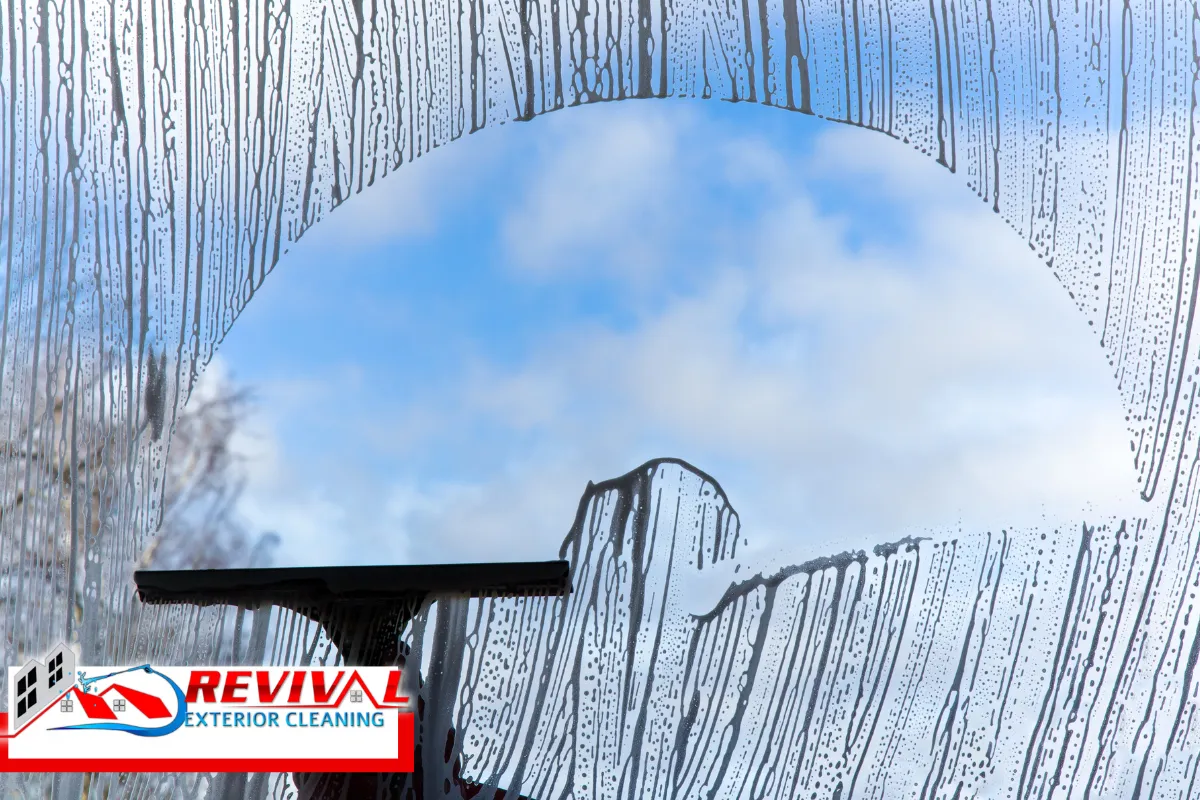
The phrase “stays cleaner longer” should not be treated as a guarantee. Weather and property conditions remain unpredictable. Nevertheless, a comprehensive process can improve the interval between visible re-soiling for several practical reasons.
It Removes Contamination at Its Source
If pollen remains on a screen or grime sits along the top of a frame, the glass is surrounded by material waiting to move. Cleaning those areas interrupts that cycle.
This is often the most important difference between a full exterior service and a pane-only visit. The glass may look equally clear on the first day, but the surrounding condition affects what happens afterward.
A Residue-Free Surface Is Less Tacky
Excess soap can leave an invisible film. Airborne dust, pollen, and soot may adhere more readily to that residue than to well-rinsed glass.
Correctly used purified water can reduce spotting caused by dissolved minerals. A traditional squeegee process can also leave glass residue-free when the solution ratio, blade condition, technique, and detailing are correct.
The lasting benefit comes from cleanliness, not from a magical protective quality in the water.
Gentle Treatment Protects Vulnerable Components
Homeowners sometimes ask whether they should pressure wash windows to save time. Concentrated spray can drive water behind siding, past compromised seals, beneath trim, or through screen openings. It can also disturb loose paint, aged glazing, or brittle caulk.
Even if the pane survives without breaking, hidden water intrusion can create a larger problem than dirty glass. Lower pressure gives the technician greater control near joints and transitions.
Cleaner Frames Reduce Runoff Streaks
Upper frames, exterior grids, and decorative trim can collect a surprising amount of dark residue. Rainwater moving over these areas may create vertical trails.
Cleaning from the top down and rinsing the complete assembly reduces the supply of grime that can form those streaks. This does not prevent new pollution from arriving, but it provides a cleaner starting point.
Factors That Determine How Long Results Will Last
No responsible window cleaner can promise one universal interval. Two neighboring properties may soil at very different rates because exposure varies by elevation, orientation, landscaping, traffic, and maintenance.
Tree Cover and Shade
Mature trees provide shade and curb appeal, but they also release pollen, sap, seeds, leaves, and organic debris. Branches over a roof can contribute material that eventually reaches windows through runoff or wind.
Shaded surfaces dry more slowly, which can support organic growth along damp frames. Trimming vegetation away from the structure may improve airflow and reduce direct deposits.
Road Dust and Construction Activity
Homes near busy roads may collect fine particles from traffic and disturbed soil. Nearby grading, renovation, or landscaping can shorten the useful life of any exterior cleaning.
Keeping windows closed during dusty work and waiting until major activity ends before scheduling a final service may produce a better outcome.
Window Design and Condition
Recessed windows may receive less direct rain but can trap insects and cobwebs. Projecting sills may collect water and pollen. Divided-light designs provide more edges where residue can gather.
Deteriorated caulk, failed seals, oxidized frames, damaged screens, and clogged weep holes also complicate cleaning. Maintenance defects should be corrected instead of repeatedly masked with stronger washing.
The Quality of the Final Rinse
A cleaning agent must remain wet long enough to work but should not be allowed to bake onto warm glass. Thorough rinsing removes loosened soil and chemistry.
Direct sun, high surface temperature, and wind accelerate drying. Technicians may divide the house into manageable sections or work around sun exposure to preserve control.
Interior Sources of Haze
Cooking aerosols, candles, fireplaces, tobacco residue, pets, and heating or cooling airflow can create interior film. Exterior treatment will not correct contamination on the room-facing side.
If the outside looks clean but sunlight still reveals haze, an interior service may be necessary.
Read Is Hot or Cold Water Better for Soft Window Cleaning in Charlotte, NC?
Safe Techniques for Glass, Frames, Screens, and Seals
Windows are manufactured assemblies with drainage paths, coatings, sealants, and movable components. Cleaning should preserve those systems rather than overwhelm them.
Inspect Before Applying Water
A pre-service inspection should identify loose screens, cracked panes, open windows, deteriorated glazing, missing caulk, peeling paint, damaged trim, and visibly failed insulated units.
Moisture or fog between double-pane glass usually indicates a compromised insulating seal. Surface cleaning cannot remove condensation trapped between panes.
Use Compatible Cleaning Products
More concentrated chemistry is not automatically more effective. Strong solutions can affect painted surfaces, metals, vegetation, and certain glass coatings if misused.
Manufacturer instructions deserve priority for specialty glass, applied films, tinting, aftermarket coatings, and unusual frames. Testing an inconspicuous area can help identify compatibility issues before broader treatment.
Control Pressure Near Openings
A pressure washer can deliver force far beyond what an aging seal or screen was designed to withstand. Distance and nozzle choice matter, but simply standing farther away does not transform an unsuitable method into a safe one.
The objective is enough flow to carry away loosened material without directing concentrated force into joints.
Handle Screens Separately When Necessary
Screens trap dust, pollen, insects, and fibers. Cleaning the pane through a dirty screen may create muddy runoff without removing the embedded debris.
Removable screens can be gently washed and allowed to dry before reinstallation. Bent frames, loose mesh, and brittle corners require careful handling.
Environmental and Runoff Responsibilities in Charlotte
Exterior cleaning wastewater can carry detergent, organic matter, paint particles, sediment, and other pollutants. Charlotte’s stormwater infrastructure generally conveys runoff toward local waterways rather than to a wastewater treatment plant. That makes source control important.
A responsible service should:
- Minimize the amount of chemical solution used.
- Follow product labels and required dilution rates.
- Prevent detergent-laden runoff from entering storm drains.
- Protect soil, plants, pets, and outdoor living areas.
- Collect or redirect wastewater when conditions require it.
- Remove dry debris before washing so it does not enter drainage systems.
- Avoid mixing cleaning products unless the manufacturer permits it.
Water-only runoff is not automatically harmless when it contains paint chips, oils, sediment, or other pollutants. The contaminant and disposal path determine the appropriate control.
Local requirements can also vary according to the property, wastewater content, and type of work. A professional provider should evaluate the site rather than treating the street or storm drain as a default disposal route.
A Practical Cleaning Schedule for Charlotte Homes
Many properties benefit from professional exterior care approximately twice a year, although that is a planning guideline rather than a rule. Spring and fall visits can address seasonal pollen, insects, dust, and organic debris.
A more frequent schedule may suit homes with:
- Dense tree coverage
- Heavy traffic exposure
- Prominent street-facing glass
- Sprinkler overspray
- Numerous screens
- Shaded or moisture-prone elevations
- Ongoing outdoor entertaining needs
Properties with open exposure and little surrounding vegetation may remain presentable longer. Instead of booking strictly by the calendar, watch for recurring film along edges, reduced clarity in direct sunlight, visible spotting, or organic buildup around frames.
Timing the Visit for Better Results
Scheduling immediately before peak pollen activity may limit how long the pristine appearance lasts. Waiting until the heaviest yellow accumulation has passed can be more practical.
Technicians should also avoid conditions that cause solutions to dry too quickly. Moderate temperatures, manageable wind, and controlled sun exposure generally allow more consistent agitation and rinsing.
How Homeowners Can Extend the Clean Appearance
Professional service establishes a clean baseline, but conditions around the property determine how quickly residue returns.
Consider these preventive steps:
- Redirect sprinkler heads away from glass and exterior walls.
- Repair leaking gutters that splash dirty water onto lower windows.
- Trim branches that touch the house or hang directly over window areas.
- Keep exterior sills and drainage openings free of loose debris.
- Use interior exhaust fans to reduce cooking film and excess humidity.
- Avoid spraying household cleaner onto hot, sunlit glass.
- Clean insect screens rather than wiping only the exposed pane.
- Address failed caulk, peeling paint, and damaged weatherstripping promptly.
For light maintenance, use clean tools and a window-compatible product. Paper towels can leave lint, while dirty cloths redistribute residue. Abrasive pads and razors should not be used casually because some glass surfaces, films, and coatings scratch more easily than they appear.
Signs That a Different Service Is Needed
Not every blemish is ordinary dirt. Recognizing the difference prevents repeated cleaning attempts that cannot solve the underlying problem.
Hard-Water Etching
Fresh mineral deposits may respond to an appropriate spot-removal process. Long-neglected deposits can chemically alter or etch the surface, leaving permanent cloudiness. Restoration feasibility depends on severity and glass condition.
Insulated-Glass Seal Failure
Fog, droplets, or a milky appearance between panes cannot be reached from either side. The insulated glass unit may need evaluation or replacement.
Oxidation From Frames or Siding
Chalky residue from weathered aluminum, vinyl, or painted surfaces may wash onto glass. Unless the oxidized source is addressed carefully, the film can return.
Construction Debris
Mortar, concrete dust, stucco residue, paint, adhesives, and fabrication debris require specialized assessment. Aggressive scraping can scratch glass, particularly when abrasive particles are present.
Scratches and Fabrication Defects
Cleaning can reveal damage that was previously hidden by soil. It does not create clarity inside scratched, pitted, or defective glass. Documenting existing conditions before service helps distinguish contamination from permanent damage.
Choosing the Right Process for Your Home
Ask more than whether a company offers soft cleaning. The useful questions concern inspection, technique, compatibility, runoff, and expected results.
Before scheduling, ask:
- Will the frames, sills, and exterior screens be included?
- What method will be used on upper-story panes?
- How will specialty coatings or window film be identified?
- Are detergents allowed to enter storm drains?
- How are plants and painted surfaces protected?
- What happens if mineral deposits or seal failure are discovered?
- Does the provider carry appropriate insurance?
- Will the glass be inspected after it dries?
Avoid any promise that windows will remain spotless for a fixed period regardless of weather. A credible provider can explain which conditions influence durability and what the proposed service will—and will not—remove.
The Better Long-Term Choice Is a Complete, Controlled Clean
Soft window cleaning can keep a Charlotte home looking cleaner longer when it removes residue from the entire exterior window assembly and finishes the glass without soap or mineral film. Its advantage is most noticeable when previous services treated only the pane while leaving contaminated screens, frames, and ledges untouched.
Traditional techniques still deliver excellent clarity and may be the best option for interiors, detail work, or stubborn localized residue. The most effective plan often combines methods rather than forcing every window into one category.
Homeowners should judge the service by inspection quality, material compatibility, rinsing, runoff management, and final results. Gentle force protects vulnerable components, but thoroughness is what extends the clean appearance. With sensible scheduling and basic property maintenance, professionally treated windows can offer brighter views and fewer premature callbacks.
Window Cleaning in Charlotte, NC – Reach out to Revival Exterior Today!
At Revival Exterior Cleaning & Pressure Washing, we provide careful window cleaning designed for Charlotte homes and the conditions they face. Our team removes pollen, dirt, organic residue, and buildup while using controlled methods around glass, frames, screens, seals, landscaping, and exterior finishes. We tailor our approach to the condition of each property instead of relying on excessive pressure. Whether your windows look cloudy after rain or surrounding trim keeps transferring grime, we can recommend an appropriate solution. We proudly serve Charlotte, North Carolina, and prominent surrounding areas with dependable exterior care. Call Revival Exterior Cleaning & Pressure Washing at (980) 264-2359 or fill out our contact form today. We are ready to restore clearer views and help your home maintain a cleaner, brighter appearance.
Frequently Asked Questions
Can professional cleaning remove artillery fungus spots from window glass?
Artillery fungus spots are small, stubborn organic deposits commonly associated with decaying wood mulch. Ordinary washing may remove surface grime without releasing the dark, bonded specks. Successful removal depends on how long the spots have remained, the glass condition, and whether nearby frames or coatings could be damaged by treatment. A technician should test a limited area before attempting extensive removal. Scraping without proper lubrication, blade selection, and surface evaluation can scratch certain glass products. Replacing contaminated mulch with stone, pine straw, or another suitable ground cover may reduce future spotting, although no landscaping change can guarantee that every new deposit will be prevented.
Should exterior window screens be removed before every cleaning?
Screen removal is not required for every procedure, but it often improves access to glass, corners, tracks, and the inner side of the mesh. A screen that stays in place can trap dirty rinse water or prevent a brush from reaching pane edges. Removable units may be washed separately, rinsed gently, dried, and inspected for loose mesh or bent frames before reinstallation. Fixed screens require a modified approach that avoids forcing water into the home. Homeowners should tell the technician about fragile tabs, damaged corners, or unusual mounting hardware. Forcing an unfamiliar screen out can cause more damage than carefully cleaning around it.
Can window cleaning damage low-emissivity coatings or aftermarket film?
It can if incompatible chemicals, abrasive tools, or careless scraping are used. Many insulated residential windows have low-emissivity coatings located inside the sealed glass unit, where routine surface care cannot touch them. Other coatings and aftermarket films may be exposed on an accessible surface and require specific products. Ammonia, rough pads, razor blades, and strongly alkaline or acidic solutions may be unsuitable for certain films. Check available manufacturer instructions before treatment and disclose tinting or applied coatings to the technician. When the construction is uncertain, a small compatibility test and a gentle, nonabrasive process offer a safer starting point than aggressive stain removal.
Why do cleaned windows sometimes look streaky only at sunrise or sunset?
Low-angle sunlight exposes extremely thin films that are difficult to see under diffuse midday light. The apparent streaks may come from detergent residue, a damp detailing cloth, dirty squeegee rubber, interior cooking film, or minerals left by rinse water. Marks between panes can also become more noticeable under direct illumination, although surface cleaning cannot reach them. Observe the glass from both sides and at different angles to identify the affected surface. A professional can then determine whether the pane needs simple detailing, an interior cleaning, mineral treatment, or evaluation for seal failure. Timing alone does not mean the glass became dirty again.
Is it necessary to be home during an exterior window service?
Homeowners often do not need to remain home when the work is limited to accessible exterior areas, provided the company has permission and clear access. Before leaving, close and lock windows, remove fragile decorations from sills, secure pets, unlock necessary gates, and move vehicles or furniture that obstructs the work zone. Inform the crew about alarms, irrigation schedules, damaged screens, concealed utilities, or areas that should not be entered. Interior work requires an agreed access arrangement and appropriate supervision. Confirm how the technician will document existing damage, communicate unexpected conditions, and notify you when the service is complete before deciding to be absent.
Disclaimer: Cleaning results and durability vary with weather, window condition, landscaping, and prior damage. Follow manufacturer care instructions and consult a qualified exterior-cleaning professional before treating coated, tinted, deteriorated, or unusually stained glass.
Read Can Professional Pressure Washing Restore Outdoor Tile on Charlotte, NC Homes?