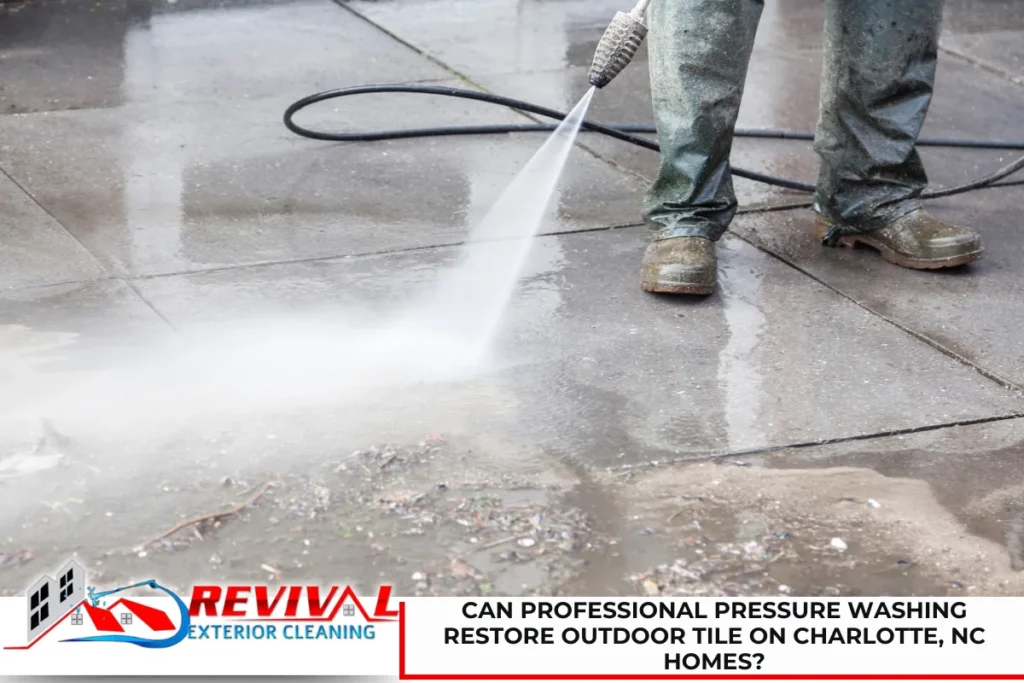
Pressure washing can restore outdoor tile on Charlotte, NC homes when the surface is cleaned with the right pressure, water flow, detergents, and tile-safe technique. The problem is that patio tile, poolside tile, porch flooring, and outdoor grout often look permanently stained after months of humidity, pollen, clay soil, algae, mildew, and leaf tannins. Leave it alone too long, and those stains can make the surface slippery, dull, and harder to maintain. The solution is not blasting the tile with maximum force. Professional cleaning works because it matches the method to the material, removes buildup without chewing up grout, and helps the outdoor space look cared for again.
Why Outdoor Tile in Charlotte Gets Dirty So Fast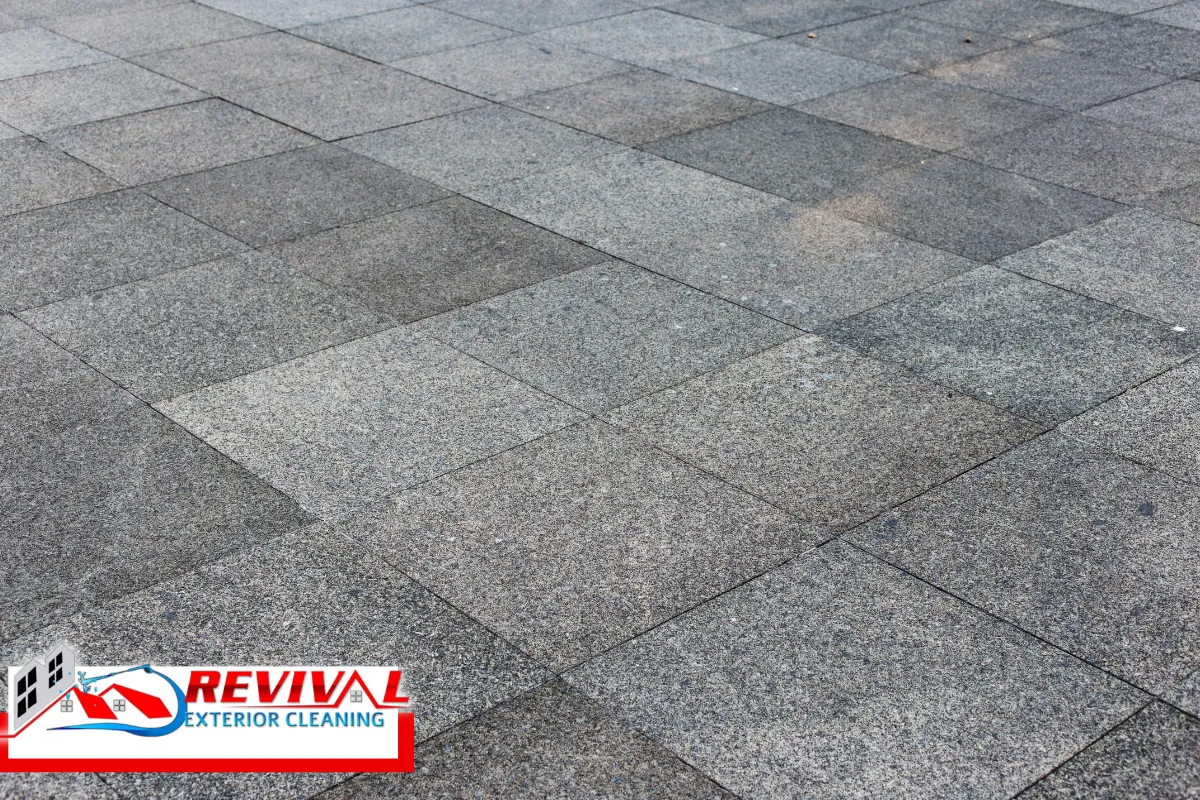
Outdoor tile in Charlotte has to deal with more than ordinary dust. The area’s humid summers, frequent storms, shaded tree cover, and long pollen seasons create the perfect setup for grime to cling to hard surfaces. Even durable tile can lose its original color when organic matter settles into textured finishes or porous grout joints.
A tiled patio may look clean from a distance, but close up, the surface can hold:
- Green algae in shaded areas
- Black mildew near damp corners
- Red clay residue from foot traffic
- Pollen film during spring
- Leaf stains under trees
- Rust marks from furniture legs
- Efflorescence from mineral movement
- Grease spots near outdoor kitchens
- Dirt packed into grout lines
That mix is why a basic hose rinse usually does not make much difference. Water alone may move loose debris, but it will not fully break the bond between the tile surface and the organic buildup attached to it.
Can Outdoor Tile Really Be Restored?
Yes, many outdoor tile surfaces can be restored visually, especially when the tile itself is structurally sound. A professional pressure clean can lift away the layers that make tile appear older than it really is. The result is often brighter color, cleaner grout lines, better traction, and a more finished look across the patio or walkway.
However, restoration has limits. Cleaning can remove surface contamination, but it cannot reverse deep cracks, missing grout, loose tiles, severe mineral etching, or permanent discoloration inside unsealed natural stone. That is why a proper inspection matters before any equipment is turned on.
What “Restored” Usually Means for Outdoor Tile
For most Charlotte homeowners, restored tile means the area looks clean, even, and usable again. It does not always mean the tile returns to the exact appearance it had on installation day.
A realistic restoration may include:
- Removing algae and mildew film
- Brightening dull grout
- Clearing dirt from textured tile
- Lifting stains caused by leaves or pollen
- Reducing slippery buildup
- Revealing the original pattern or tone
- Preparing the surface for sealing if needed
If the tile is porcelain or ceramic, the visual improvement can be dramatic because these materials are generally less porous than many stone surfaces. Natural stone may also improve, but it requires a softer approach.
The Tile Material Determines the Cleaning Method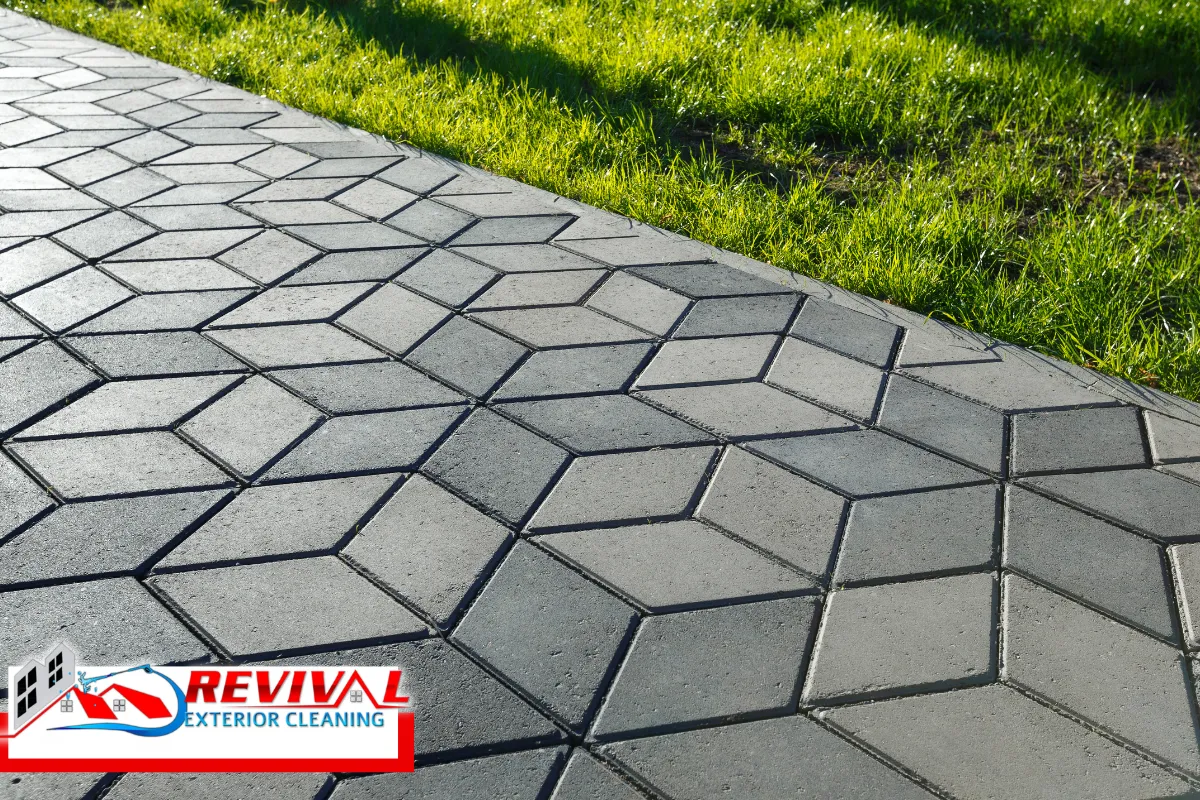
Not all outdoor tile should be treated the same way. The safest technique depends on the material, the grout condition, the age of the installation, and whether a sealer is present.
Porcelain Tile
Porcelain is one of the best outdoor tile materials for patios because it is dense, durable, and often resistant to water absorption. That said, textured porcelain can hold dirt in small grooves, especially around pool decks and covered porches.
A pressure washer can be used on porcelain when the technician uses controlled pressure, a safe nozzle angle, and enough distance from the surface. Low to medium pressure is commonly recommended for outdoor porcelain, and the spray should not be concentrated directly into grout joints for too long. Some tile care guidance recommends keeping the nozzle at least 12 inches away from the tile to reduce the chance of surface or grout damage.
Ceramic Tile
Ceramic tile can also clean up well, but outdoor ceramic varies widely. Some installations are glazed and durable, while others may be more vulnerable to chips, worn edges, or weakened grout.
A careful pressure wash can remove dirt from ceramic surfaces, but the operator should avoid aggressive zero-degree spray tips, high-pressure close passes, and harsh chemicals that may dull the finish.
Travertine, Slate, Limestone, and Other Natural Stone
Natural stone needs more caution. Stone can be porous, layered, or sensitive to acidic cleaners. Travertine may have filled holes, slate may flake, and limestone can etch if the wrong solution is used.
For natural stone, pressure cleaning should lean on lower pressure, proper chemistry, and patient rinsing. Harsh acidic or highly alkaline cleaners can dull stone or weaken sealers. Stone maintenance guidance commonly points toward pH-neutral cleaners for routine care because strong chemicals may damage the surface or protective treatment UMORE.
Grout Lines
Grout is often the most fragile part of an outdoor tile surface. Even when the tile is strong, grout can crack, erode, stain, or loosen over time. The wrong pressure can dig into grout lines and make the patio harder to maintain later.
Before any power washing begins, grout should be checked for:
- Cracks
- Missing sections
- Soft or sandy texture
- Dark staining
- Weed growth
- Loose tile movement
- Previous repairs
If grout is already failing, cleaning may expose the problem more clearly. That is not necessarily a bad thing, but it means the surface may need repair before sealing or long-term use.
Why Professional Technique Matters More Than Raw Pressure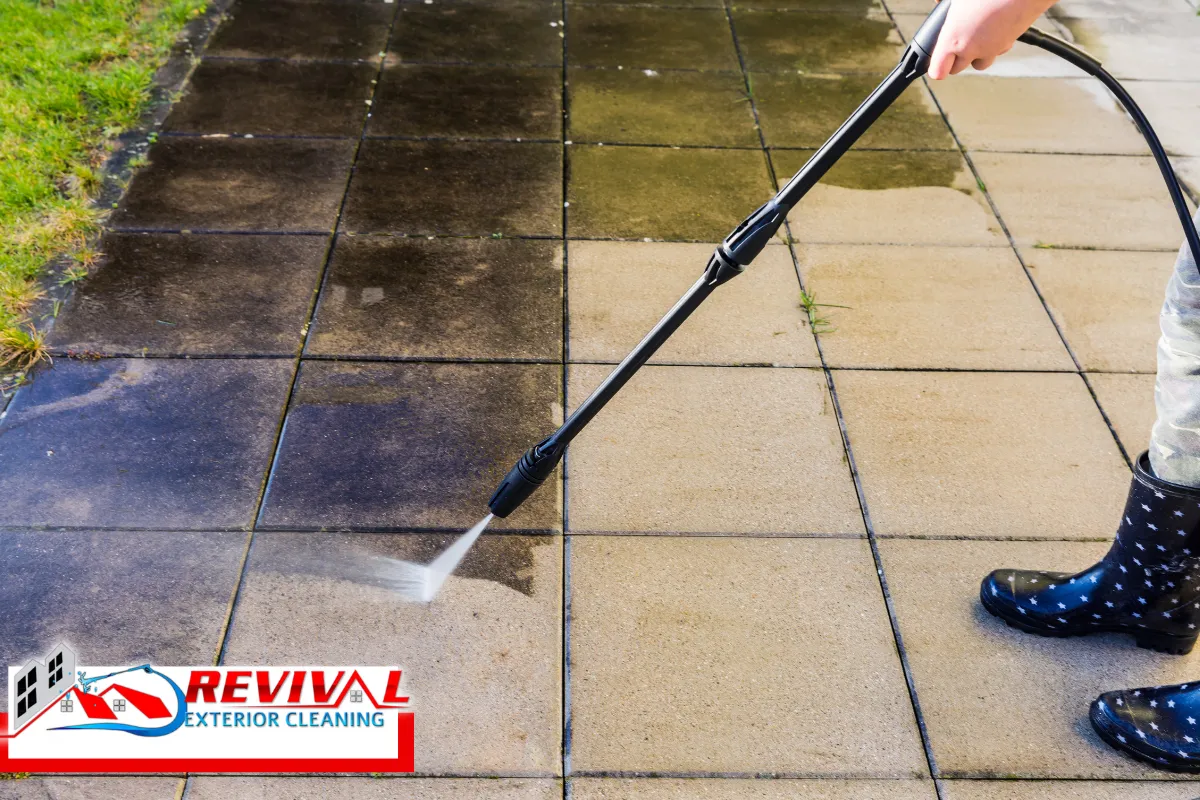
A common mistake is thinking that stronger water pressure always means better cleaning. On outdoor tile, that can backfire quickly. Too much force can strip sanded grout, scar softer stone, force water into weak joints, or leave uneven wand marks.
Professional pressure washing is more controlled. The goal is to let water flow, surface cleaners, detergents, and dwell time do the work instead of relying on force alone.
The Right Nozzle and Spray Pattern
A wide fan tip is usually safer than a narrow pinpoint stream. The technician should keep the nozzle moving and avoid lingering over one grout line. Surface cleaners may be useful on broad, flat areas, but they still need to be matched to the tile type and condition.
The Right Cleaning Solution
Some stains require more than water. Algae, mildew, and organic film may need a tile-safe treatment before rinsing. Rust, mineral deposits, and grease each require a different approach. Using the wrong product can make stains worse or damage sensitive material.
That is why professional pressure cleaning usually starts with identifying the soil type. Green organic growth is not the same as red clay. Rust from metal furniture is not the same as leaf tannin. Efflorescence is not the same as mold.
The Right Dwell Time
Dwell time is the period a cleaning solution sits on the surface before rinsing. When used correctly, it loosens buildup so the rinse can be gentler. When rushed, the operator may compensate with too much pressure.
The key is balance. A solution should not dry on the tile, run uncontrolled into drains, or sit so long that it affects the finish.
Charlotte Runoff Rules Homeowners Should Know
Outdoor cleaning in Charlotte should be planned with stormwater protection in mind. The City of Charlotte’s pressure washing guidance says detergents or chemicals should not be discharged into a stormwater drain or surface water, and wash water planning should include flow direction, drain locations, collection, and disposal when needed City of Charlotte.
That matters because many storm drains lead to creeks and surface waters without the kind of treatment homeowners may assume happens first. Charlotte-Mecklenburg Storm Water Services focuses on reducing flood risk and protecting surface water quality countywide Charlotte-Mecklenburg Storm Water Services.
For a residential tile project, the safest approach is to keep loose debris out of drains, avoid unnecessary chemicals, direct clean rinse water to appropriate landscaped areas when allowed, and contain or dispose of chemical wash water properly when stronger cleaning agents are used.
When Pressure Washing Works Best on Outdoor Tile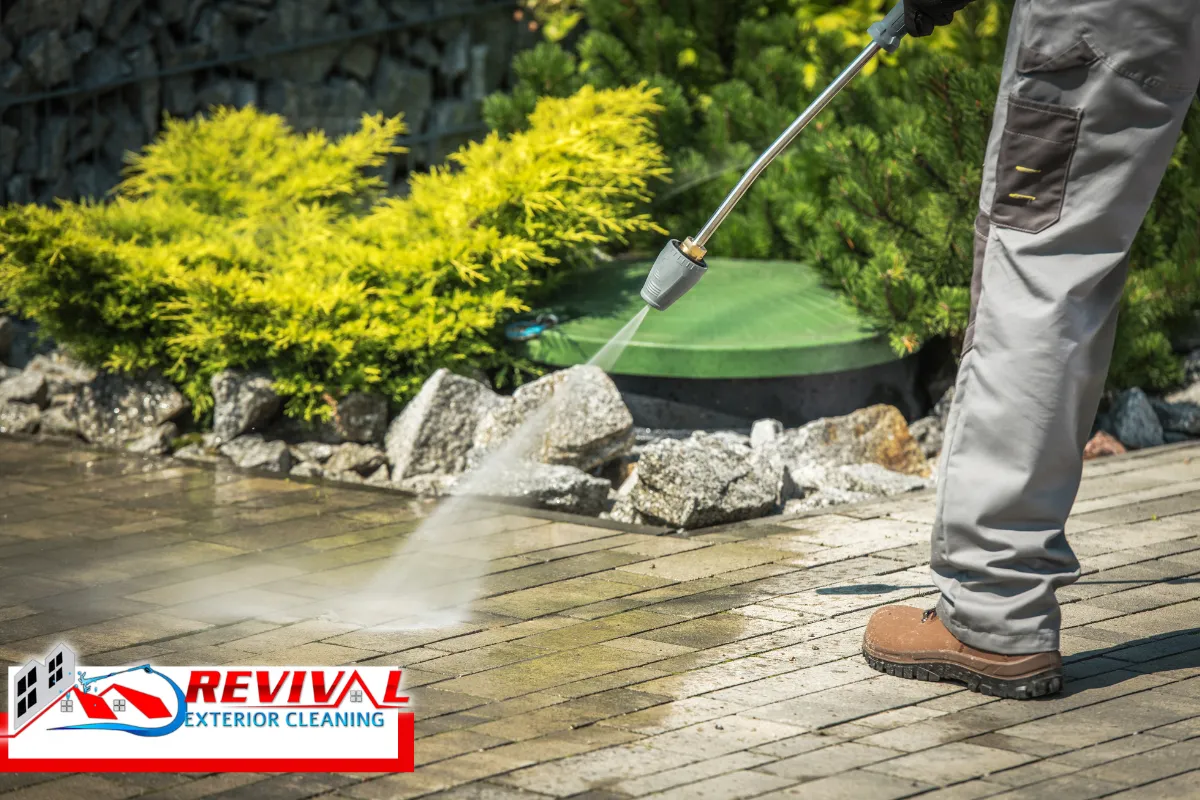
A pressure wash works best when the outdoor tile is dirty but still intact. If the installation is solid, the grout is stable, and the staining is mostly on the surface, cleaning can make a major visual difference.
Best Candidates for Cleaning
Outdoor tile often responds well when the main issue is:
- Algae on shaded patio tile
- Mildew near covered porch edges
- Dirt from normal foot traffic
- Pollen film after spring
- Mud tracked from landscaping
- Grime around outdoor seating
- Pool splash residue
- Light leaf staining
- Surface-level food or drink spills
In these cases, cleaning removes what is sitting on top of the tile and inside the surface texture.
When Repairs Should Come First
Cleaning should be delayed or modified when the surface has:
- Loose tile
- Hollow-sounding sections
- Missing grout
- Cracked stone
- Severe spalling
- Open joints
- Standing water problems
- Failed sealant around edges
A professional should not simply pressure clean over those issues as if nothing is wrong. Water can enter weak areas and make repairs more urgent.
What Makes Tile Slippery Before Cleaning?
Outdoor tile usually becomes slippery because organic growth creates a thin film across the surface. Algae and mildew thrive in damp, shaded spaces. In Charlotte neighborhoods with mature trees, shaded patios and walkways may stay wet longer after rain, giving organic buildup more time to spread.
Other slip contributors include:
- Pollen mixed with moisture
- Soap residue from past cleaning
- Grease near grills
- Fine clay dust
- Leaves breaking down on the surface
- Pool water minerals
- Moss along edges
A professional pressure clean helps restore traction by removing the film that reduces grip. However, tile texture matters too. Smooth tile may still be slick when wet even after cleaning, especially if it was not designed for outdoor flooring.
Read Is Pressure Washing Safe for Stucco Houses in Charlotte, NC?
How the Professional Cleaning Process Usually Works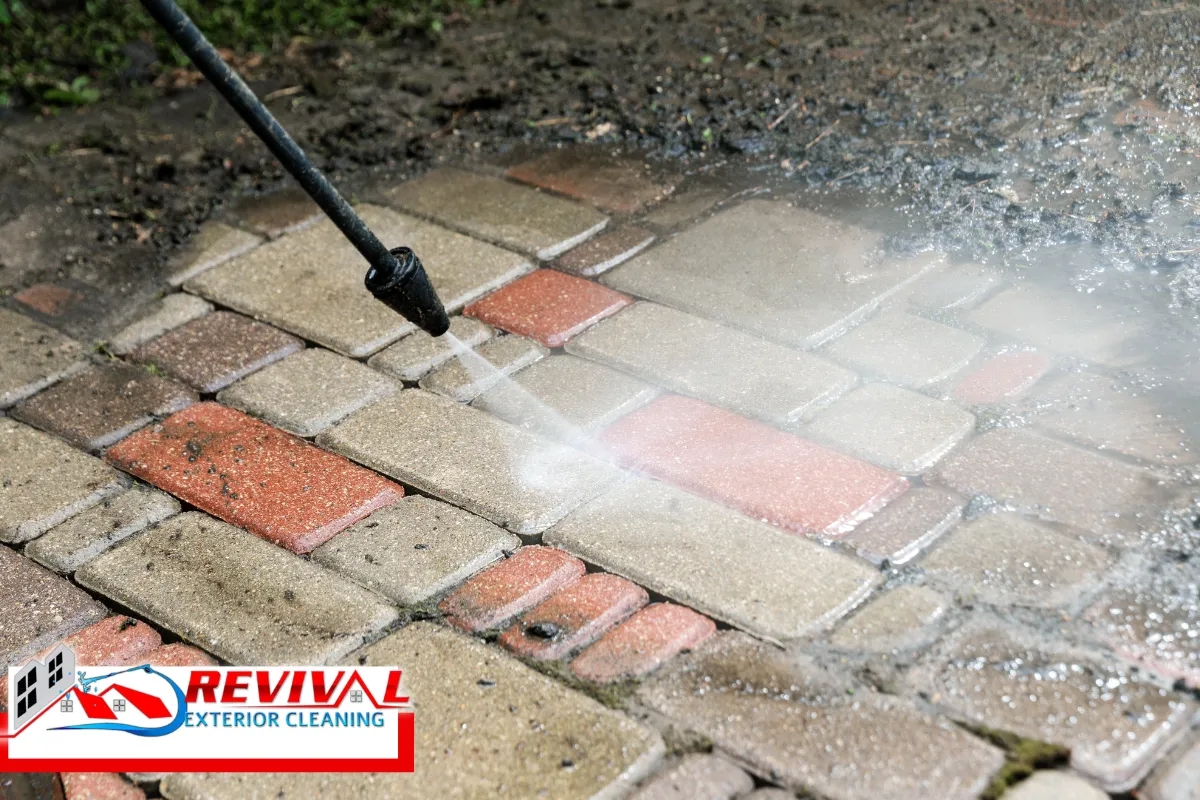
A quality outdoor tile project should feel organized, not rushed. The contractor should be looking at the surface, drainage, nearby landscaping, and the type of buildup before choosing a method.
1. Surface Inspection
The first step is identifying the tile and checking grout. The cleaner should look for cracks, loose pieces, existing sealer, stains, drainage patterns, and delicate areas near doors or walls.
2. Dry Debris Removal
Leaves, mulch, loose soil, and twigs should be removed before washing. This helps prevent organic debris from being pushed into drains, joints, or landscape beds.
3. Pre-Treatment
If algae or mildew is present, the surface may need a tile-safe solution. For red clay, a different cleaner may be needed. For natural stone, pH matters more.
4. Controlled Rinse
The rinse should be even and controlled. A technician may use a fan spray, surface cleaner, or soft rinse depending on the tile. The point is to remove loosened soil without damaging grout.
5. Detail Cleaning
Corners, steps, edges, and grout intersections often need extra attention. These are the spots where dirt collects and where rushed cleaning leaves visible lines.
6. Final Rinse and Review
After cleaning, the surface should be rinsed thoroughly. Remaining stains can then be identified honestly. Some may need a second treatment, while others may be permanent discoloration or material damage.
Common Outdoor Tile Stains and What They Mean
Not every stain should be treated the same way. Knowing what caused the mark helps prevent over-cleaning.
Green or Black Organic Growth
This is common in shaded Charlotte yards. It usually responds well to pre-treatment and a careful rinse.
Red Clay Film
Clay soil can cling to textured tile and grout. It may need agitation or a cleaning solution designed to release soil rather than just water pressure.
Rust Marks
Rust often comes from metal patio furniture, planters, grills, or irrigation. A standard pressure wash may lighten the mark, but rust usually needs a targeted product.
White Mineral Haze
White haze may be efflorescence, mineral residue, or grout haze. It should be evaluated carefully because aggressive cleaning can spread it or damage sensitive tile.
Dark Grout Lines
Dark grout can mean embedded soil, mildew, worn sealer, or moisture problems. Cleaning can brighten it, but deep staining may not disappear completely.
Can Pressure Washing Damage Outdoor Tile?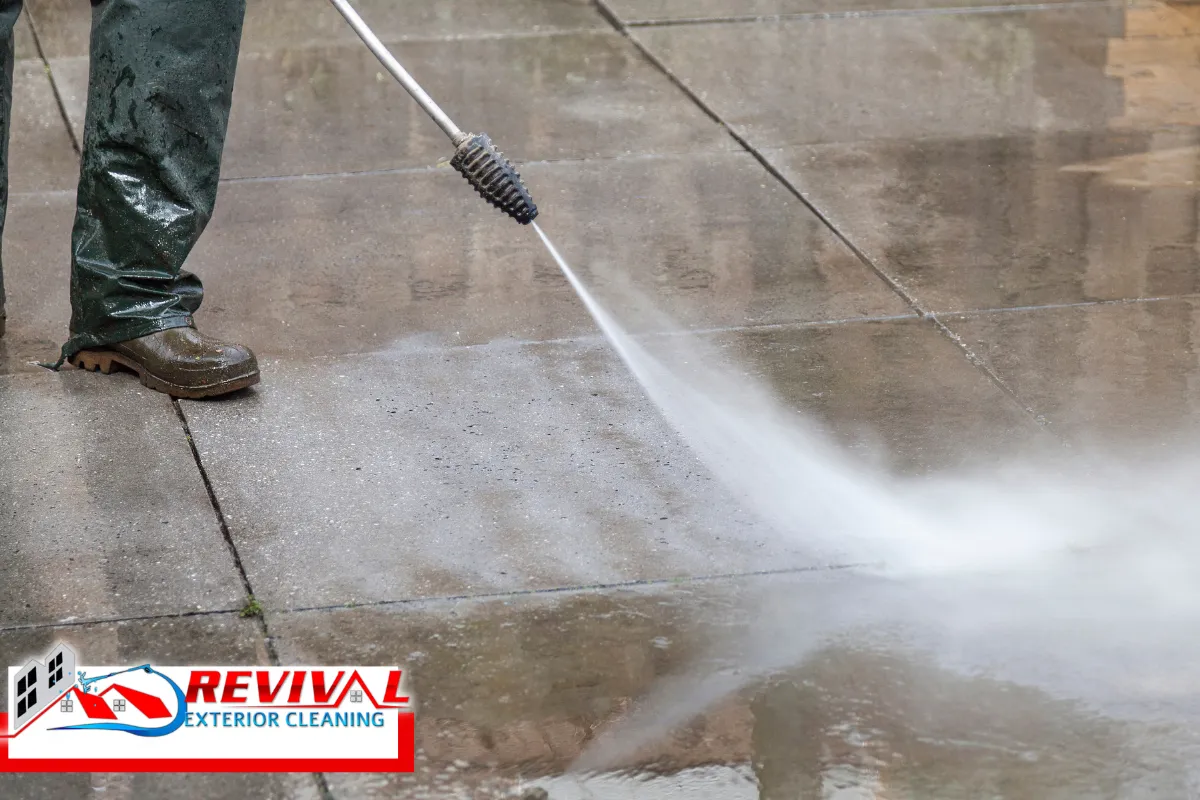
Yes, it can if done incorrectly. The risk is not the cleaning method by itself. The risk comes from excessive pressure, wrong nozzle choice, poor chemical selection, weak grout, or treating natural stone like concrete.
Damage may show up as:
- Eroded grout
- Chipped tile edges
- Wand marks
- Dull stone
- Lifted sealer
- Water forced under loose tile
- Uneven cleaning patterns
- Exposed cracks
This is why hiring a trained pressure washer matters. The equipment is powerful, but judgment is what protects the surface.
Should Outdoor Tile Be Sealed After Cleaning?
Some outdoor tile and grout can benefit from sealing after cleaning, but not every material needs the same treatment. Porcelain tile itself is often dense enough that it may not absorb much sealer, but grout lines can still be porous. Natural stone may need a penetrating sealer to reduce staining and moisture absorption.
The surface must be clean and dry before sealing. If stains remain in the grout, sealing too soon can trap them. Tile care experts often stress that grout should be fully clean and dry before sealer is applied because existing stains can become locked in.
Sealing is not a substitute for maintenance. It helps slow absorption, but outdoor surfaces still need sweeping, rinsing, and periodic cleaning.
How Often Should Charlotte Homeowners Clean Outdoor Tile?
Most outdoor tile in Charlotte benefits from professional cleaning once a year, though shaded areas may need attention more often. Properties with heavy tree cover, pool areas, pets, outdoor kitchens, or high foot traffic may show buildup faster.
A practical schedule looks like this:
- Light-use patio: every 12 to 18 months
- Shaded tile: every 6 to 12 months
- Poolside tile: once or twice per year
- Outdoor kitchen tile: as needed for grease and spills
- Natural stone: based on soil level and sealer condition
Between visits, homeowners can sweep regularly, rinse after storms, move planters occasionally, and keep leaves from sitting on the tile too long.
What Homeowners Should Avoid Before a Professional Visit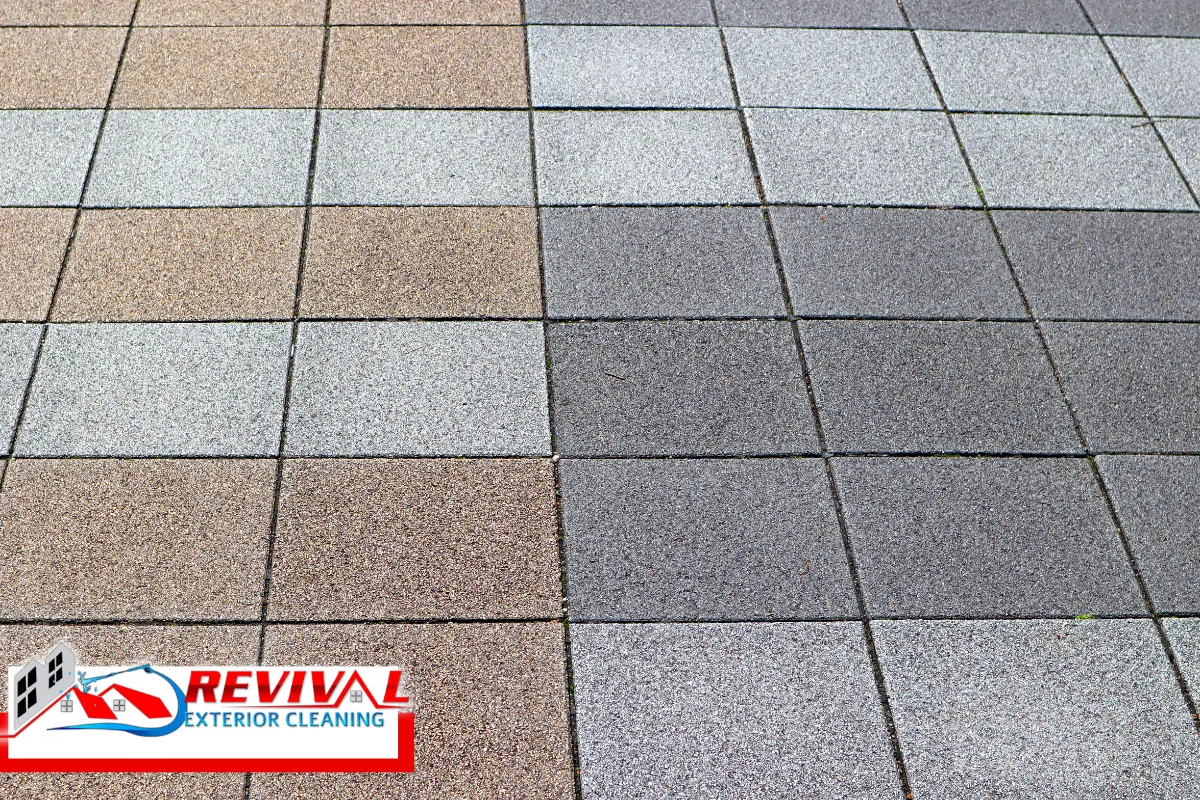
It is tempting to try store-bought cleaners first, but some products can create more work. Bleach-heavy mixtures, acidic cleaners, wire brushes, and high-pressure rental machines can damage outdoor tile or grout.
Avoid these before scheduling service:
- Using a zero-degree spray tip
- Scrubbing with wire brushes
- Mixing cleaning chemicals
- Applying acid to natural stone
- Letting detergents dry on tile
- Washing debris toward storm drains
- Sealing before stains are removed
- Ignoring loose grout
If you are unsure what kind of tile you have, take photos before applying anything. A professional can often identify the safest starting point from the tile surface, grout, and stain pattern.
The Best Results Come From Matching Method to Material
Professional outdoor tile restoration is not about making every patio fit one cleaning formula. It is about understanding the surface. Porcelain may tolerate a stronger process than limestone. Old grout may need a gentler rinse than new grout. A shaded porch with algae needs a different plan than a sunny pool deck with mineral deposits.
A smart approach protects:
- Tile finish
- Grout integrity
- Nearby plants
- Drainage paths
- Sealers
- Door thresholds
- Pool water
- Landscape beds
That is what separates a careful pressure clean from a rushed blast-and-go job.
A Brighter Patio Without Guesswork
Professional cleaning can absolutely restore the look of many outdoor tile surfaces on Charlotte homes. It can remove algae, lift grime from textured finishes, brighten grout, improve traction, and make patios, porches, walkways, and pool areas feel inviting again.
The biggest takeaway is simple: outdoor tile should be cleaned with control. The right method can refresh the surface beautifully, while the wrong one can damage grout or stone. When the cleaning plan respects the tile material, runoff rules, and existing condition of the surface, homeowners get the best combination of curb appeal, safety, and long-term care.
Pressure Washing in Charlotte, NC – Reach out to Revival Exterior Today!
At Revival Exterior Cleaning & Pressure Washing, we help Charlotte homeowners bring outdoor tile, patios, porches, walkways, and poolside surfaces back to life with careful pressure washing. We inspect the surface, choose the right cleaning method, and protect your grout, landscaping, and drainage areas while removing algae, mildew, clay stains, pollen, and built-up grime. Our team understands how local weather affects exterior surfaces, so we clean with the right balance of pressure, solution, and rinsing. If your outdoor tile looks dull, slippery, or stained, we are ready to help. Call Revival Exterior Cleaning & Pressure Washing at (980) 264-2359 or fill out our contact form to schedule service in Charlotte, North Carolina and the prominent surrounding areas.
Frequently Asked Questions
Can outdoor tile be cleaned during pollen season in Charlotte?
Yes, outdoor tile can be cleaned during pollen season, but timing matters. If pollen is actively falling heavily, the surface may collect a new yellow film soon after service. Still, cleaning can remove older grime, algae, mildew, and packed dirt underneath that pollen layer. For many homeowners, the best approach is to rinse lightly during peak pollen weeks and schedule deeper service once the heaviest buildup has passed. If the tile is slippery or heavily stained, it may still be worth cleaning sooner for safety and appearance.
Will cleaning outdoor tile remove weeds growing between grout lines?
Cleaning may remove small weeds, loose roots, and organic matter from joints, but it is not a permanent weed-control service. If weeds are growing through cracked grout or open joints, that usually means the tile system has gaps where soil and moisture are collecting. A pressure wash can clear the area so the problem is easier to see, but repairs may be needed to prevent regrowth. After cleaning, damaged joints should be evaluated before sealing or filling. Otherwise, weeds may return once moisture and debris settle back into the same spaces.
Is it safe to clean tile near a swimming pool?
Yes, tile near a swimming pool can be cleaned safely when the process is controlled. The main concerns are preventing dirty runoff, cleaning solution, and loose debris from entering the pool water. A professional should protect drains, direct rinse water carefully, and avoid overspray toward pool equipment, coping, or uncovered water. Poolside tile can become slippery because of sunscreen residue, moisture, minerals, and algae, so cleaning can improve both appearance and footing. The cleaner should also consider whether the tile is porcelain, ceramic, or natural stone before choosing pressure and products.
Why does my outdoor tile still look uneven after it dries?
Outdoor tile may look uneven after drying if stains have penetrated porous grout, if a sealer has worn irregularly, or if some tiles have permanent sun fading, mineral deposits, or previous chemical damage. Cleaning removes surface buildup, but it cannot always correct material changes inside stone, grout, or older finishes. Sometimes a second targeted treatment can improve specific stains, especially rust or mineral haze. In other cases, sealing, grout repair, or tile replacement may be the better next step. A post-cleaning inspection helps separate remaining dirt from actual surface damage.
Can I use household cleaners before professional service?
It is better to be cautious with household cleaners before professional service. Some products can react with other cleaning solutions, leave residue, discolor grout, or damage natural stone. Acidic cleaners may etch limestone or travertine, while oily soaps can leave a film that attracts dirt. If you already used a product, tell the cleaning company before work begins so they can adjust the process. For light maintenance, sweeping and rinsing with plain water is usually safer than experimenting with strong chemicals. When stains are stubborn, professional evaluation can prevent accidental damage.
Disclaimer: This article provides general outdoor tile cleaning guidance for Charlotte homeowners. Surface condition, tile material, drainage, and local requirements can vary, so professional inspection is recommended before cleaning, sealing, or repair work.
Read When Are Pine Needles Most Likely to Require Gutter Cleaning in Charlotte, NC?