Pressure washing can be safe for stucco houses in Charlotte, NC, but only when the surface is cleaned with the right pressure, technique, distance, and cleaning solution. The problem is that stucco looks strong, yet it can absorb moisture, crack under force, or lose its textured finish when cleaned too aggressively. If algae, mildew, red clay stains, pollen, and humid-weather grime are left alone, the exterior can look older than it is and may hold moisture longer than it should. The solution is not blasting the wall. It is using a careful low-pressure method that cleans the exterior without forcing water behind the stucco. For most Charlotte homes, soft washing is the safer choice.
Stucco Needs a Different Cleaning Approach Than Vinyl or Brick
Stucco is not a flat, sealed surface. It is textured, porous, and more sensitive to water intrusion than many homeowners realize. That matters because a pressure washer can produce enough force to scar the surface, widen hairline cracks, or push water into places where it does not belong.
Many Charlotte homes have either traditional cement-based stucco or synthetic stucco systems, often called EIFS. Both can collect organic growth and dirt, especially on shaded sides of the house. However, they do not respond well to the same approach used on concrete driveways or brick steps.
A safe exterior cleaning plan for stucco should start with three questions:
- What type of stucco is on the home?
- Are there cracks, gaps, stains, or previous repairs?
- Is the cleaning method designed to remove growth without relying on force?
The safest answer is usually low-pressure application, dwell time, and a gentle rinse. That allows the cleaning solution to do the work instead of the water pressure.
Why Charlotte Stucco Homes Get Dirty So Quickly
Charlotte’s climate is one reason stucco houses often need routine exterior care. Warm temperatures, seasonal humidity, tree coverage, pollen, and heavy summer storms can all leave the surface looking streaked or dull.
The most common buildup on stucco includes:
- Green algae on shaded walls
- Mildew near landscaping or damp corners
- Black streaking under ledges and window trim
- Pollen film during spring
- Red clay splashback near foundations
- Cobwebs and insect debris around porch ceilings
- Rust stains near metal fixtures
- Efflorescence on mineral-heavy surfaces
A pressure clean may seem like the fastest fix, but speed is not the goal with stucco. The goal is controlled cleaning. If the surface has biological growth, a proper treatment can break down the contamination before rinsing. If the stain is mineral-based or rust-related, the process may require a specialty cleaner rather than extra pressure.
The Main Risk Is Water Being Forced Behind the Wall
The biggest concern with aggressive cleaning is not just surface damage. It is moisture intrusion.
Stucco systems are designed to shed water, not absorb a direct high-pressure stream. When a nozzle is held too close or aimed upward beneath trim, vents, weep areas, windows, or cracks, water can move behind the exterior layer. Once moisture gets trapped, it may contribute to staining, swelling, rot in nearby materials, or hidden deterioration.
This is why a professional will usually avoid:
- Spraying upward into seams or openings
- Using a narrow high-pressure tip
- Holding the wand too close to the wall
- Cleaning damaged areas before inspection
- Blasting around window frames
- Forcing water behind light fixtures or outlets
- Treating every stain with the same chemical
Stucco cleaning is less about power and more about patience. The surface needs enough water to rinse away loosened residue, but not enough force to compromise the building envelope.
Safe Pressure Levels Depend on the Surface Condition
There is no single pressure setting that is safe for every stucco home. A newer, well-maintained cement stucco exterior may tolerate a careful low-pressure rinse better than an older wall with hairline cracks, hollow areas, or failing paint. Synthetic stucco can be even more sensitive because the outer coating is thinner and part of a layered system.
A professional should test a small inconspicuous area first. This helps determine how the finish responds before cleaning the most visible walls.
Signs the Stucco May Be Too Vulnerable for Standard Washing
Before any pressure wash, look for warning signs such as:
- Cracks around windows or doors
- Bulging or soft-looking sections
- Loose texture or flaking finish
- Dark staining that suggests trapped moisture
- Gaps around penetrations
- Crumbling corners
- Peeling paint or bubbling coating
- Previous patchwork that looks uneven
If these issues are present, cleaning should be adjusted. In some cases, repairs should happen first. Cleaning a compromised surface can make an existing problem more noticeable.
Soft Washing Is Usually the Better Choice for Stucco
Soft washing uses low pressure with a cleaning solution designed to break down organic growth. Instead of using force to strip away algae or mildew, the treatment loosens the contamination so it can be rinsed gently.
For stucco houses in Charlotte, this approach is often safer because it reduces the chance of etching, pitting, water intrusion, and texture loss. It also helps clean the small grooves and uneven areas where dirt collects.
A good soft wash process usually includes:
- Inspecting the surface for cracks and vulnerable areas
- Protecting landscaping, fixtures, outlets, and nearby surfaces
- Applying the right solution at controlled strength
- Allowing enough dwell time for organic buildup to break down
- Rinsing with low pressure from the correct angle
- Checking stains that may need separate treatment
This method can make the house look cleaner without treating stucco like concrete.
When Power Washing Can Damage Stucco
Power washing is sometimes used as a general phrase for exterior cleaning, but technically it can involve stronger equipment, hot water, and higher force. That may be useful for certain hard surfaces, but it is risky on stucco if handled carelessly.
Damage can happen when the operator tries to remove stains with pressure alone. A stubborn black mark may not be dirt. It could be algae rooted into the texture, a mineral deposit, an irrigation stain, or residue from nearby metal. More force will not always solve the problem. It may only damage the finish around it.
Common Types of Stucco Damage From Aggressive Cleaning
A poor cleaning approach can cause:
- Etched lines from the spray pattern
- Patchy color differences
- Chipped texture
- Opened cracks
- Water marks under windows
- Peeling paint
- Moisture entering behind the wall
- Stains spreading instead of lifting
Once the texture is scarred, it can be hard to blend repairs perfectly. That is why the safer method matters before the first pass is made.
The Right Nozzle and Distance Matter
If water pressure is used on stucco, the nozzle selection is critical. A narrow tip concentrates force into a small area, increasing the risk of damage. A wider fan tip spreads water across the surface more gently.
Distance also changes impact. A spray pattern that feels mild from several feet away can become too aggressive when the wand is moved close to the wall. The cleaner should maintain space from the surface and avoid lingering in one spot.
The direction of the spray matters too. Rinsing should generally move downward or across the surface, not upward into seams, cracks, vents, trim, or window edges. Stucco may be exterior cladding, but it still has vulnerable transitions.
Cleaning Solutions Should Match the Stain
Stucco stains are not all the same. Using the wrong cleaner can leave discoloration, damage nearby surfaces, or fail to remove the problem.
Organic Growth
Green and black staining from algae, mildew, or mold-like growth usually responds best to a controlled exterior cleaning solution. The key is proper dilution, surface testing, dwell time, and thorough rinsing.
Red Clay
Charlotte-area soil can splash onto lower walls during storms or irrigation. Red clay stains may need a targeted treatment because they can bind to porous textures. Blasting the stain may roughen the surface without fully removing the color.
Rust
Rust near metal fixtures, railings, irrigation components, or fasteners usually needs a specialty rust remover. Extra water pressure can make the area look worn while leaving the orange stain behind.
Efflorescence
White mineral deposits can appear when moisture carries salts to the surface. This issue should be handled carefully because it may point to a moisture pathway. A pressure clean without understanding the cause may only give temporary improvement.
Painted Stucco Requires Extra Care
Many stucco houses are painted or coated. Paint can help protect the surface, but it can also peel or bubble if the wall is cleaned too aggressively. If paint is already loose, a pressure washer may remove more than intended.
Painted stucco should be checked for:
- Chalking
- Peeling
- Fading
- Hairline cracks
- Poor adhesion
- Past patch marks
- Moisture stains
A low-pressure wash can often refresh painted stucco, but the cleaning plan should protect the coating. If the paint is failing, the home may need repainting after proper preparation rather than stronger washing.
Read Can Professional Pressure Washing Restore Outdoor Tile on Charlotte, NC Homes?
Stucco Around Windows, Doors, and Trim Is the Most Sensitive
The main field of a wall may look durable, but transitions are where many problems begin. Windows, doors, light fixtures, outlets, trim boards, hose bibs, vents, and roofline details all create openings or edges where water can enter if sprayed incorrectly.
A careful technician will reduce pressure around these areas and avoid direct spray into gaps. They may also cover outlets, test seals, and keep rinse angles controlled. On older Charlotte homes, sealant around windows and trim may already be worn, which increases the need for caution.
Charlotte Stormwater Rules Matter During Exterior Cleaning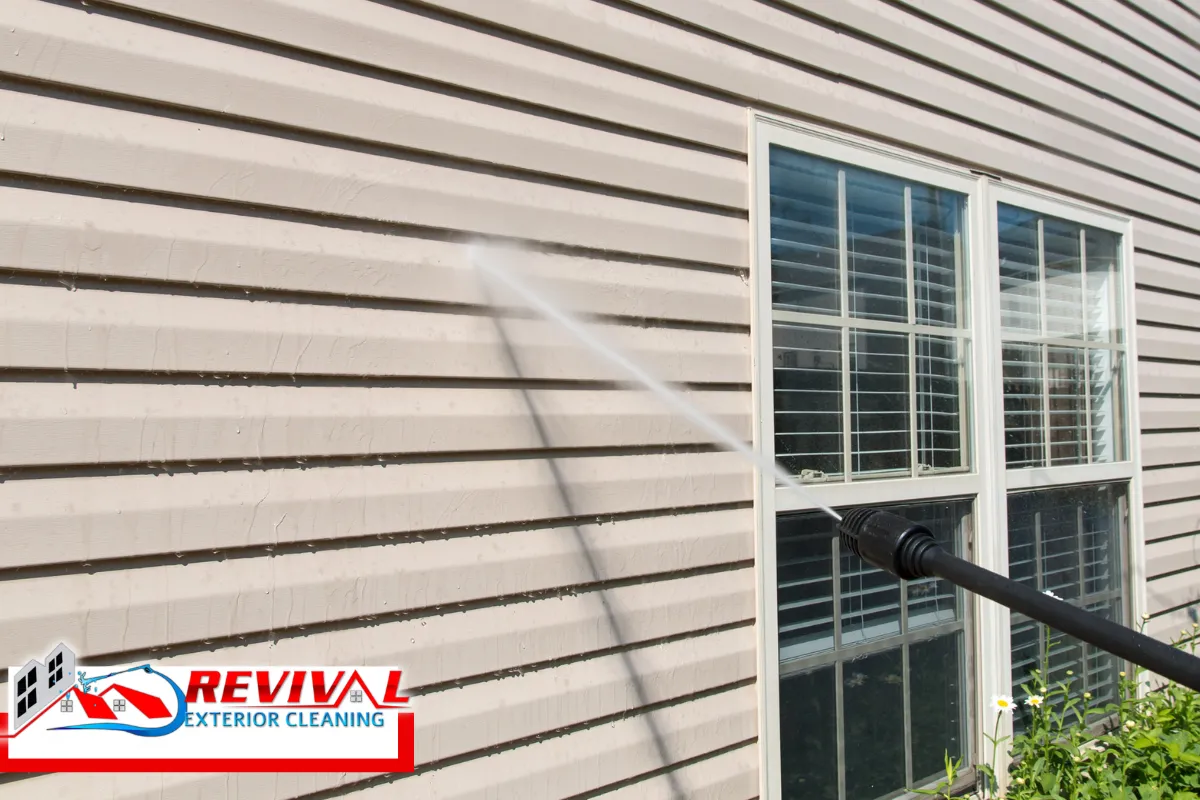
Exterior cleaning is not only about protecting the house. It also has to protect local waterways. In Charlotte, storm drains are intended for rainwater, and wash water containing soaps, chemicals, oils, paint particles, or other pollutants should not be allowed to flow into the storm drain system. The city’s guidance warns that pollution from cleaning runoff can lead to serious fines when not handled properly City of Charlotte Stormwater Services.
For a stucco house, this means the cleaner should think about runoff before starting. That may include dry cleanup first, careful product selection, controlled application, protecting storm drains when needed, and preventing contaminated water from leaving the property in an improper way.
This is especially important when cleaning near driveways, sidewalks, gutters, streets, and sloped yards. A responsible process protects your home and keeps the job aligned with local water quality expectations.
Landscaping Protection Should Be Part of the Plan
Stucco walls are often close to shrubs, flowers, mulch beds, and foundation plantings. Cleaning solutions can affect sensitive plants if they are not managed correctly.
A careful crew may:
- Pre-wet plants before applying solution
- Cover delicate landscaping when appropriate
- Use controlled spray near garden beds
- Rinse vegetation after cleaning
- Avoid oversaturating soil near the foundation
- Keep runoff away from ponds or drainage paths
This matters in Charlotte neighborhoods where homes often have mature trees, dense landscaping, and shaded yards that encourage algae growth on exterior walls.
How Often Should Stucco Be Cleaned in Charlotte?
Most stucco houses in Charlotte benefit from exterior cleaning about once every 12 to 24 months, depending on shade, tree coverage, moisture exposure, and the color of the finish. Homes surrounded by trees may need attention more often, while sunny, open lots may stay cleaner longer.
You may need cleaning sooner if you notice:
- Green growth returning on the north-facing side
- Dark streaks beneath windows or roof edges
- Pollen film that does not rinse away with rain
- Cobweb buildup around entries
- Stains near irrigation spray zones
- Dirt collecting along lower walls
Routine cleaning is usually easier and safer than waiting until stains become heavy. The longer organic growth stays on textured stucco, the more time it has to settle into the surface.
DIY Stucco Cleaning Can Go Wrong Quickly
Some homeowners rent equipment or buy a pressure washer for weekend cleaning. That can work for certain hard surfaces, but stucco is not the best place to learn by trial and error.
The most common DIY mistakes include:
- Using too much pressure
- Choosing the wrong tip
- Standing too close
- Spraying upward
- Cleaning cracked areas without repair
- Using harsh chemicals without dilution
- Letting solution dry on the wall
- Forgetting runoff control
- Damaging plants or painted trim
If you do clean a small area yourself, use the gentlest method possible. Start with a garden hose, mild exterior-safe cleaner, soft brush where appropriate, and a low-pressure rinse. Avoid aggressive scrubbing that can flatten or scar the texture.
What a Professional Should Check Before Cleaning
A qualified exterior cleaning company should not treat stucco like a basic rinse job. The inspection should guide the method.
Before starting, the cleaner should look at:
- Stucco type and finish
- Paint or coating condition
- Cracks and settlement lines
- Window and door seals
- Stains and their likely cause
- Nearby landscaping
- Drainage paths
- Outdoor electrical components
- Weather conditions
- Safe access around the home
This helps determine whether the home needs soft washing, spot treatment, repair recommendations, or a modified rinse technique.
Weather Timing Can Affect the Result
Charlotte weather can change quickly, especially during warm months. Cleaning stucco during extreme heat, direct sun, or windy conditions can cause cleaning solution to dry too fast. That may leave streaks or reduce effectiveness.
A mild, overcast day is often ideal. The surface stays wet longer, the solution has better dwell time, and rinsing is more controlled. Cleaning right before heavy rain may also be less ideal if runoff management becomes harder or if the surface cannot be checked properly after the rinse.
Areas of the Home That May Need Separate Treatment
Not every exterior surface should be cleaned the same way as stucco. A house wash may include multiple materials, and each one needs the correct approach.
Foundation Walls
Lower walls may have soil splashback, mulch stains, or irrigation marks. These areas may require careful pretreatment.
Porch Columns
Stucco columns can collect hand oils, pollen, and cobwebs. Gentle cleaning preserves the shape and edges.
Chimneys
Stucco chimneys are exposed to rain, heat, and wind. Cracks or stains should be inspected before washing.
Retaining Walls
Stucco or coated masonry near landscaping can hold moisture and mineral staining. It may need a different cleaner than the upper wall.
Entryways
Front entries often have detailed trim, lights, doorbells, cameras, and outlets. Low pressure is especially important here.
When Cleaning Is Not Enough
Sometimes a dirty stucco wall is not just dirty. It may be showing signs of age, moisture movement, or coating failure. Cleaning can improve the appearance, but it cannot repair cracks, failed flashing, poor drainage, or hidden water damage.
Call a qualified repair professional if you notice:
- Soft or hollow areas
- Repeated stains after cleaning
- Large cracks
- Interior moisture signs
- Bubbling paint
- Brown or black stains that return quickly
- Stucco pulling away from the wall
A good exterior cleaning company can point out visible concerns, but structural diagnosis and repairs should be handled by the appropriate specialist.
A Safe Stucco Cleaning Process From Start to Finish
A safe cleaning process should feel measured, not rushed. The steps below give homeowners a practical idea of what the job should look like.
- Walk the property and identify delicate areas.
- Check the stucco for cracks, peeling, or weak spots.
- Protect plants, outlets, fixtures, and nearby surfaces.
- Remove loose debris, cobwebs, and surface dust.
- Apply a stucco-safe cleaning solution at the right strength.
- Allow proper dwell time without letting the product dry.
- Rinse gently with low pressure and correct spray angle.
- Treat remaining stains separately if needed.
- Confirm runoff is managed responsibly.
- Review the surface after cleaning for missed areas or concerns.
This type of process cleans the home while respecting the material.
The Best Answer for Charlotte Homeowners
Pressure washing is safe for stucco houses in Charlotte, NC only when it is done as a controlled, low-pressure cleaning process. High-pressure blasting is not the right approach for this surface. Stucco needs inspection, the right cleaner, careful rinsing, and attention to cracks, trim, windows, landscaping, and stormwater runoff.
If your home has algae, mildew, pollen buildup, clay staining, or dull exterior walls, cleaning can make a major difference. The key is choosing a method that protects the texture and keeps moisture out of the wall system. For most stucco homes, soft washing is the safest and most effective option.
Pressure Washing in Charlotte, NC – Reach out to Revival Exterior Today!
At Revival Exterior Cleaning & Pressure Washing, we help homeowners protect delicate exterior surfaces with careful pressure washing in Charlotte, NC and the prominent surrounding areas. Stucco requires the right touch, and our team uses a thoughtful cleaning process designed to remove algae, mildew, pollen, and grime without treating your home like a concrete slab. We inspect the surface, choose the right method, and clean with respect for your property, landscaping, and curb appeal. If your stucco looks stained, dull, or weathered, call Revival Exterior Cleaning & Pressure Washing at (980) 264-2359 or fill out our contact form today. We are ready to help your home look clean, fresh, and cared for.
Frequently Asked Questions
Can stucco be cleaned without using any chemicals?
Yes, light dust, cobwebs, and loose pollen can sometimes be removed with water, a soft brush, and a gentle rinse. However, organic growth such as algae and mildew usually needs a cleaning solution to break it down properly. Without treatment, the surface may look cleaner for a short time but discoloration can return quickly. The safest option is not always “water only.” It is using the right product at the right strength, then rinsing carefully. For stucco, controlled chemistry is often safer than trying to remove stains with stronger water pressure.
Is it safe to clean stucco after a storm?
It depends on the condition of the wall and how much moisture the home already received. After heavy rain, stucco may still be damp, and the surrounding soil may be saturated. Cleaning too soon can make runoff harder to manage and may reduce how well certain treatments work. It is usually better to wait until the exterior has had time to dry and the weather is stable. If storm debris, mud splash, or algae is present, a professional can inspect the surface and decide whether cleaning should happen immediately or be scheduled later.
Will cleaning remove black streaks from stucco?
Many black streaks can be improved, especially if they come from algae, mildew, dirt runoff, or pollution residue. However, not all black marks have the same cause. Some stains may come from deteriorating metal, roof runoff, moisture behind the wall, or old repairs. A standard wash may lighten the area but not fully remove it if the stain is mineral-based or moisture-related. The cleaner should identify the likely source before treating it. If streaks return soon after cleaning, the home may need drainage, sealant, gutter, or repair work.
Can stucco be cleaned during hot Charlotte summers?
Stucco can be cleaned during summer, but timing matters. Direct sun and high heat can cause cleaning solution to dry too quickly, which may leave streaks or reduce effectiveness. Early morning or a mild overcast day is usually better. The surface should stay wet during the dwell period, and the cleaner should work in manageable sections. Plant protection is also more important in hot weather because landscaping may already be stressed. A careful crew will adjust the cleaning process based on temperature, sun exposure, wind, and surface condition.
Should gutters be cleaned before washing a stucco house?
In many cases, yes. Clogged gutters can overflow and leave dirty streaks on stucco walls, especially during heavy rain. If the exterior is washed while gutters are packed with leaves, pine needles, or roof debris, new stains may appear shortly after the cleaning. Clearing the gutter system first helps reduce runoff marks, splashback, and moisture problems near fascia, soffits, and wall transitions. It also makes it easier to identify whether staining is from surface growth or drainage issues. Clean gutters support a cleaner and longer-lasting exterior wash.
Disclaimer: Stucco conditions vary by age, coating, drainage, and installation. This article is general guidance, not a substitute for an on-site inspection or repair advice from a qualified professional.
Read Should You Schedule Gutter Cleaning in Charlotte, NC Before Heavy Rain?