Gutter cleaning should be scheduled before heavy rain in Charlotte, NC, especially when leaves, pine needles, roof grit, or standing water already restrict drainage. A blocked system can turn one downpour into overflowing roof edges, soaked fascia, stained siding, eroded landscaping, and water collecting beside the foundation. Waiting for visible damage is risky because the first warning may appear only after rain is entering places it should never reach. The solution is to inspect the drainage path early and arrange service during a dry weather window. Clearing the channels and checking each downspout before a storm allows runoff to move away from the house as designed. It also gives you time to correct loose sections, leaks, or drainage problems safely.
Yes—Clear the Drainage Path Before the Forecast Turns Serious
A gutter system is a water-management system, not merely trim around a roof. Rain lands across hundreds or thousands of square feet of roofing, moves toward the eaves, enters the channels, and exits through downspouts. When that route is open, runoff is collected and directed to a suitable discharge area. When debris reduces the available space, water can back up quickly.
That is why the useful question is not whether rain is expected. Charlotte receives rain throughout the year, and thunderstorms can deliver a large amount in a short period. The better question is whether the system can accept water at the rate the storm may produce. A light shower might pass through a partly obstructed downspout without attracting attention. A concentrated downpour may expose the restriction within minutes.
Scheduling service in advance is particularly sensible when:
- Water has previously spilled over the front or rear edge.
- Plants, moss, or compacted debris are visible from the ground.
- A downspout releases only a weak trickle during steady rainfall.
- Dark water marks appear on fascia, soffits, or siding.
- Mulch has washed away beneath a roof edge.
- Birds or insects are repeatedly active around one channel.
- You cannot remember the last complete inspection.
- Tree limbs extend over or close to the roof.
Do not wait until the storm begins to hire a gutter cleaner. Wet roofing, slick ladder feet, lightning, gusts, and poor visibility create avoidable hazards. The best timing is a dry day far enough ahead of the forecast to permit a complete service and any necessary minor repair.
Why Charlotte Downpours Expose Small Blockages So Quickly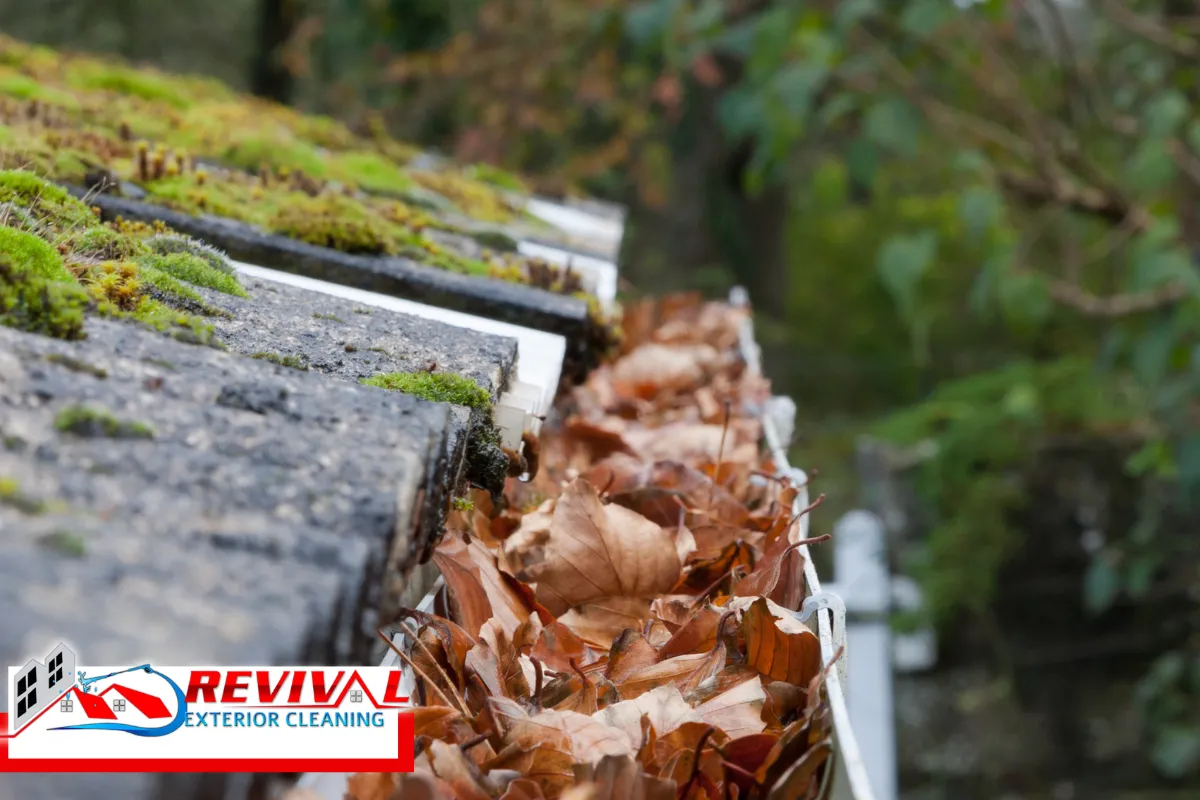
The Charlotte climate can combine frequent leaf and pollen deposits with warm-season thunderstorms. Roof valleys may funnel runoff toward a limited portion of the system, so one clogged outlet can affect a much larger roof area than homeowners expect.
Debris also changes after it becomes wet. A loose layer of leaves can compress into a dense mat, while granules, seed pods, twigs, and organic sediment may settle around an outlet.
Rainfall Intensity Matters More Than a Simple Chance of Rain
A forecast showing rain does not describe the entire drainage challenge. Duration, intensity, storm movement, roof area, roof pitch, and the number of outlets all affect performance. Short, intense rain can overwhelm a restricted opening even when the total rainfall for the day does not sound remarkable.
Charlotte’s National Weather Service climate resources document substantial rainfall events and the region’s exposure to thunderstorms and flash-flood conditions. That does not mean every home will flood. It does mean homeowners should treat roof runoff as a concentrated flow that requires a clear, dependable route.
Local Vegetation Creates Several Kinds of Buildup
Broad leaves are easy to notice, but they are only part of the problem. Pine needles can bridge across narrow openings. Catkins and blossoms can collect below the visible surface. Pollen combines with dust to form sludge. Seed pods and small twigs can catch additional material, while roof granules settle in low spots.
This mixture may remain hidden below the top edge of the gutters. From the yard, a channel can look empty while the downspout elbow is almost closed. A thorough service therefore needs to address the interior channel, outlet, elbows, and discharge—not just scoop out the most visible handfuls.
What Can Happen When You Wait Until After the Storm
One overflowing event does not guarantee major structural damage, but repeated or uncontrolled water movement increases exposure. The consequences depend on the roof, drainage layout, soil conditions, construction details, and where the overflow occurs.
Water Can Reach Roof-Edge Materials
When an outlet is blocked, water may rise behind accumulated debris. Prolonged moisture at the eave can affect fascia boards and expose weaknesses in roof-edge components. Existing gaps, deteriorated sealant, loose fasteners, or damaged flashing may then become easier for wind-driven water to exploit.
Gutters do not waterproof a roof, and clearing them cannot repair defective shingles or flashing. It does, however, remove one preventable source of backed-up water and gives the technician a chance to identify visible concerns that merit evaluation by the appropriate trade.
Overflow Can Stain Siding and Damage Landscaping
Water pouring over one point acts less like gentle rain and more like a concentrated sheet. It can splash soil onto walls, leave dirty tracks, flatten plants, cut channels through mulch, and create muddy areas near walkways. The repeated wetting of painted or finished exterior surfaces may also contribute to premature wear.
Interior debris removal addresses water flow. Gutter washing serves a different purpose: cleaning exterior faces to reduce organic film, dirt, and visible streaking. A home may need one service or both, but an exterior cosmetic treatment should never be mistaken for clearing an obstructed drainage channel.
Runoff May Collect Beside the Foundation
Downspouts are intended to move roof water toward an appropriate discharge point. If the channel overflows or an outlet fails to drain, water may land close to the building. Saturated soil can contribute to erosion, settlement, damp crawl-space conditions, or seepage through existing vulnerable areas.
Clean gutters do not guarantee a dry basement or crawl space. Grading, waterproofing, soil, foundation condition, subsurface drainage, and discharge placement all matter. Still, keeping roof runoff controlled is one practical part of reducing unnecessary water near the structure.
Standing Organic Material Can Attract Unwanted Activity
Wet leaves and decomposing debris retain moisture. That environment can support plant growth and provide sheltered material for insects or small animals. Removing buildup reduces the habitat, but it is not a substitute for pest control when an active infestation or protected nest is present.
Warning Signs to Check From the Ground
Homeowners can recognize many drainage problems without climbing. In fact, staying on the ground is the safer choice when the roofline is high, the terrain is uneven, or power lines are nearby.
Look for these clues before the next heavy-rain forecast:
- A visible line of debris above the channel edge.
- Sagging or separation between the gutter and fascia.
- Water marks directly below seams or end caps.
- Soil depressions beneath the eaves.
- Peeling paint or discoloration around the roof edge.
- A downspout that appears crushed, disconnected, or loose.
- Green growth emerging from the channel.
- Splash patterns on siding after ordinary rain.
- Water exiting behind the gutter instead of through it.
- Persistent puddles at a downspout termination.
Observe performance only from a protected ground-level location during moderate rain. Do not walk under an unstable overflow, stand in floodwater, handle electrical equipment, or climb a ladder in wet or windy conditions.
If water is entering the home, move belongings away from the affected area when it is safe and contact an appropriate professional.
Read When Are Pine Needles Most Likely to Require Gutter Cleaning in Charlotte, NC?
What a Thorough Pre-Storm Service Should Accomplish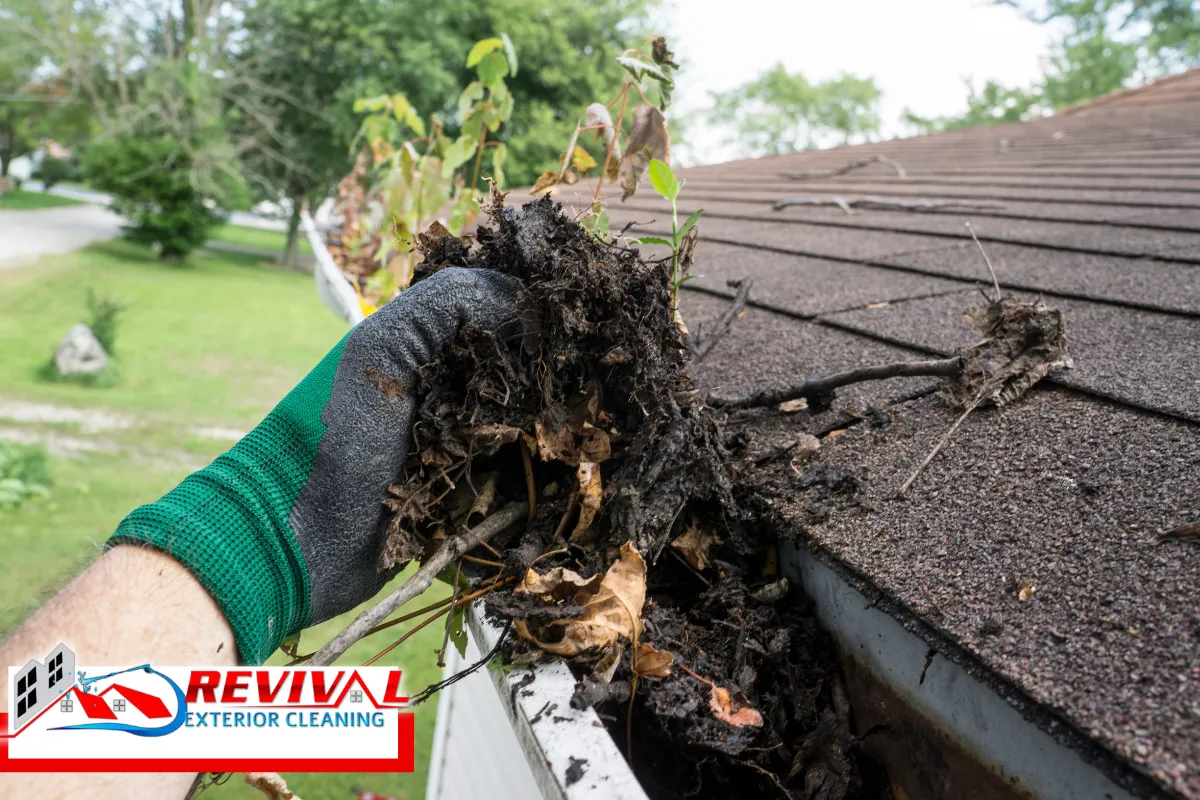
The goal is to restore a continuous route from the roof edge to the discharge point. The exact method depends on accessibility, system condition, building height, gutter guards, surrounding surfaces, and the type of blockage.
Remove Material Without Damaging the System
Leaves, needles, sediment, roof granules, and twigs should be removed carefully. Thin metal can bend under weight, and tools can scratch finishes or disturb joints when used carelessly. The collected material should be bagged or placed where it cannot wash into a street inlet.
Charlotte-Mecklenburg guidance explains that stormwater entering roadside drains generally travels to local waterways without treatment. Leaves and other yard waste should not be blown into streets or drainage inlets, where they can contribute to obstruction and nutrient pollution. Responsible cleanup is therefore part of the job, not an optional finishing touch.
Confirm That Downspouts and Outlets Flow
An open-looking channel can still fail if an outlet or elbow is plugged. A controlled flow check can reveal slow drainage, leakage at connections, or water backing up at the top of a downspout. The test should use only the amount of water necessary and should not send debris, detergent, or contaminated wash water toward a storm drain.
If water remains in a section after the outlet is clear, the system may have improper slope, loose hangers, deformation, or another installation issue. A routine cleaning visit can identify the symptom, but correction may require repair rather than more flushing.
Note Visible Defects Instead of Covering Them Up
Cleaning should not be presented as a cure for every drainage failure. Separated seams, rust-through, cracked end caps, missing fasteners, rotted fascia, damaged flashing, or undersized components call for further assessment. A reliable provider should distinguish maintenance from repair and explain what was observed.
Protect the Building and Surrounding Property
Access equipment should be positioned on stable ground, with attention to doors, walkways, landscaping, overhead electrical hazards, and fragile surfaces. Debris should not be scattered across the roof, siding, driveway, or neighboring property. Before leaving, the work area should be checked and the discharge route left clear.
Cleaning the Inside and Washing the Outside Are Different Jobs
These terms are often used interchangeably, but they describe different outcomes. Interior cleaning removes blockages that interfere with drainage. A gutter wash addresses dirt, oxidation-related discoloration, algae, and streaks on the visible exterior surface.
A gutter washer may use a suitable low-pressure application, soft brushes, and surface-compatible cleaning products. High pressure can force water behind siding, disturb seals, damage finishes, or create uneven marks. The right approach depends on the gutter material, coating, age, and type of staining.
If a storm is approaching, drainage function comes first. Cosmetic work can often wait for a more convenient dry period. When both services are requested, the provider should explain the order of work, protect nearby plants and surfaces, and manage rinse water responsibly.
How Far Ahead of Heavy Rain Should You Book?
Aim to schedule several dry days before the expected storm when possible. That buffer gives the provider time to complete the work, verify drainage, and notify you of defects. It also leaves room to arrange repairs if a loose section, failed seam, damaged outlet, or fascia issue is discovered.
Availability often tightens when a major weather system appears in the forecast. A routine maintenance plan is more dependable than an emergency call made the day before rain arrives. Homes below mature trees or with complicated rooflines may need more frequent observation than open properties with simple drainage layouts.
There is no universal calendar that fits every house. A practical schedule is based on debris accumulation and system performance. Check after major leaf drop, strong winds, or roof work and before periods when heavy rain is more likely.
If an inspection shows little buildup, the next interval can be adjusted. If outlets are repeatedly restricted, shorten it.
Choose a Provider Based on Process, Safety, and Scope
Price matters, but a quote is useful only when the scope is clear. Ask what areas are included, how downspouts are checked, whether debris is removed from the property, and what happens if the technician finds a repair issue.
Before hiring, consider asking:
- Is the work limited to debris removal, or does it include a flow check?
- Are gutter guards removed and reinstalled when necessary?
- How will surrounding landscaping and finished surfaces be protected?
- Is exterior gutter washing included or separately priced?
- Will before-and-after observations be provided?
- How are inaccessible or damaged sections handled?
- Does the company carry appropriate insurance for the work?
Avoid a vague promise to “blast everything clean.” Excessive force is not a substitute for a controlled method. The safest technique should match the building, material, access conditions, and actual obstruction.
Charlotte Rules Make Routine Upkeep More Than Cosmetic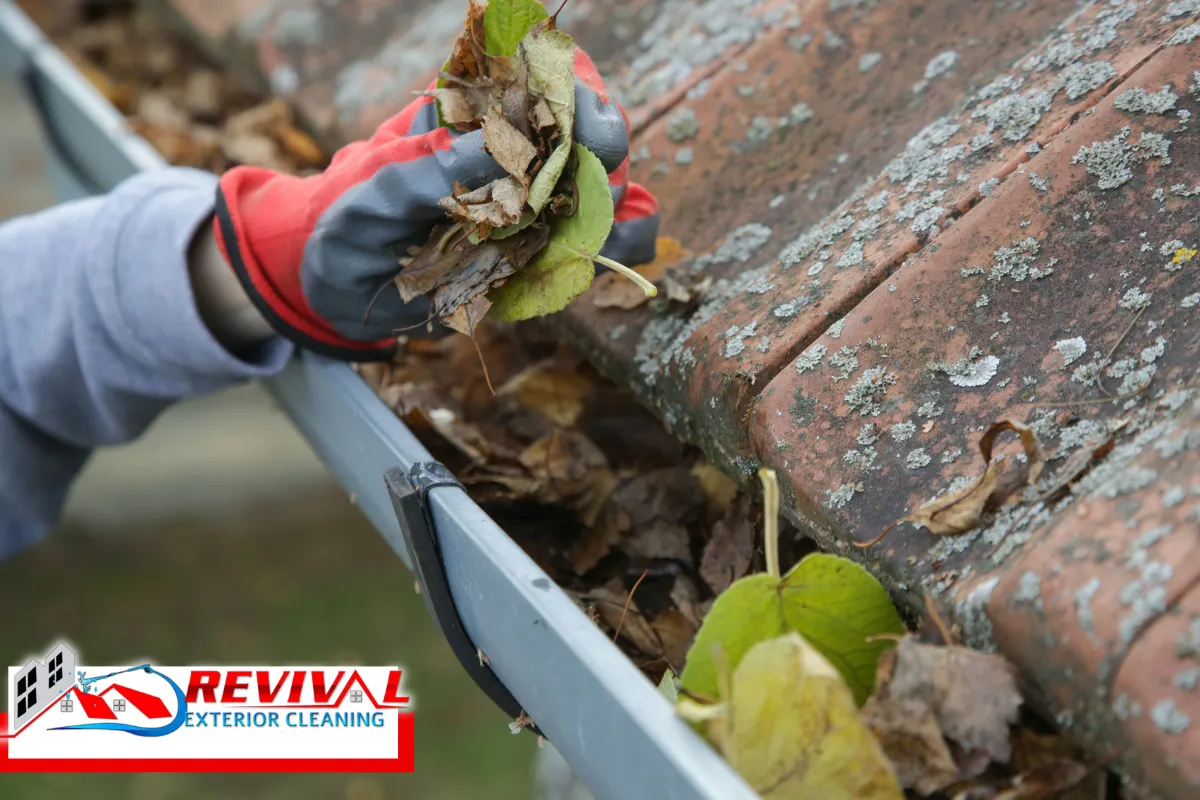
Charlotte’s adopted housing and nuisance-code provisions state that roof drains, gutters, scuppers, and downspouts must be kept in good repair and free from obstructions. They also address roof-water discharge so it does not create dampness in walls, ceilings, or floors.
For a property owner, the practical takeaway is straightforward: maintain the system and correct defective drainage rather than allowing a known obstruction to persist.
Routine debris removal generally differs from construction or a substantial drainage alteration. If the project involves replacing components, changing discharge locations, tying into another drainage system, or working within an easement, applicable permits, codes, property boundaries, utility locations, and association requirements may need review.
Ask the relevant local authority or qualified contractor about the specific property before altering drainage.
Environmental responsibility matters as well. Do not sweep roof debris into the street, push organic waste into a storm inlet, or release cleaning chemicals where runoff can carry them to a creek. Collect solid material, follow product labels, and keep wash practices compatible with local stormwater requirements.
A Simple Pre-Rain Decision Checklist
Use this sequence when heavy rain appears in the forecast:
- Review conditions from the ground. Look for debris, sagging, staining, disconnected parts, and poor discharge.
- Recall recent performance. Any overflow, weak downspout flow, or pooling raises the priority.
- Consider site exposure. Overhanging trees, roof valleys, and recurring seed or needle deposits increase blockage risk.
- Check timing and safety. Arrange work during dry, calm conditions with enough time for repairs.
- Define the service. Prioritize interior clearing and downspout verification; add cosmetic cleaning only when needed.
- Plan responsible disposal. Keep removed material and wash residue away from streets and storm drains.
- Recheck after rain. From the ground, confirm that water is flowing through the intended outlets and away from the building.
If the system is visibly clear, recently serviced, securely attached, and draining correctly, another appointment solely because rain is forecast may not be necessary. If its condition is unknown or warning signs are present, pre-storm service is the safer decision.
Protect the House Before the First Overflow Becomes the Warning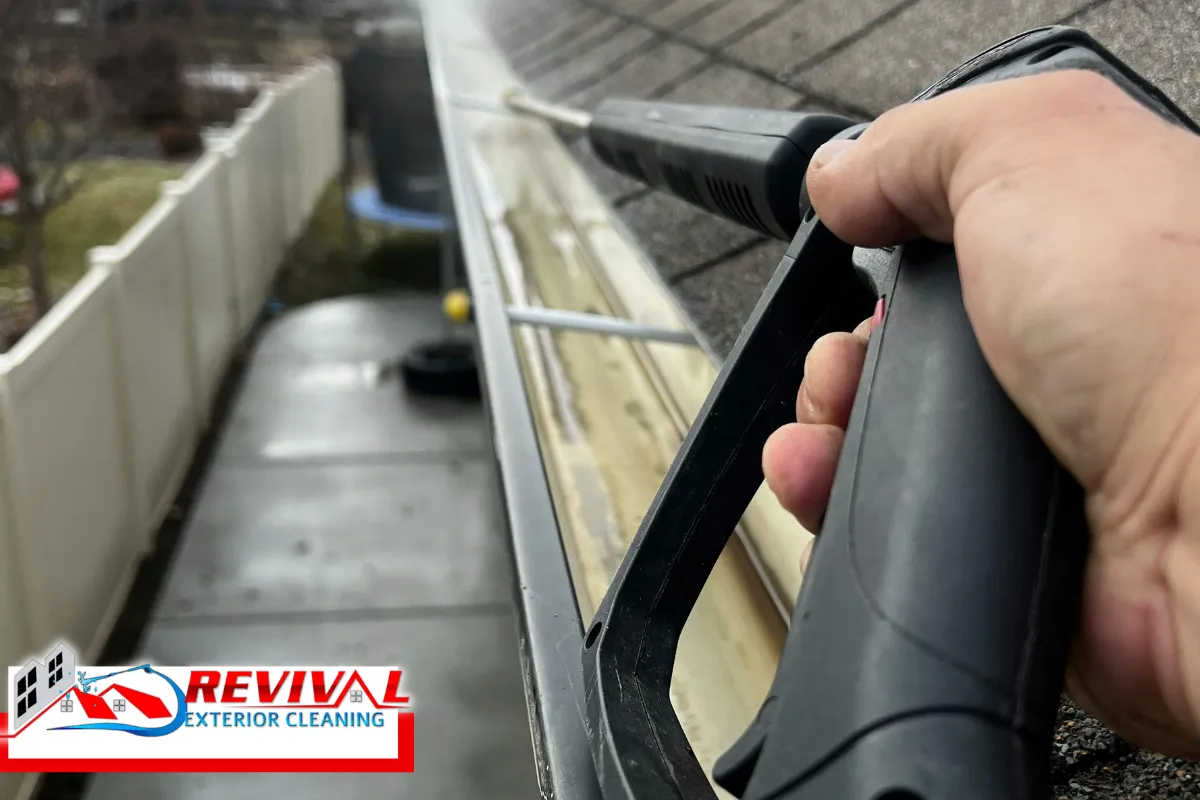
Yes, scheduling gutter cleaning before heavy rain is worthwhile when a Charlotte home shows debris accumulation, restricted drainage, overflow evidence, or an uncertain maintenance history. The work should happen on a dry day and should cover more than the visible channel.
Clearing outlets, checking downspouts, identifying defects, and disposing of debris properly all contribute to a reliable result.
Preventive service cannot correct poor grading, failed waterproofing, damaged roofing, or an undersized drainage design. It can remove a common and avoidable source of uncontrolled runoff.
Acting before the forecast becomes an emergency protects your options: there is time to clean safely, evaluate the system, and address small concerns before concentrated rain tests every weak point.
Gutter Cleaning in Charlotte, NC – Reach out to Revival Exterior Today!
At Revival Exterior Cleaning & Pressure Washing, we help homeowners prepare their properties before Charlotte’s heavy rain puts drainage systems to the test. Our gutter cleaning service removes obstructive debris, helps restore proper water flow, and reduces the chance of sudden overflow around your roofline and foundation. We approach every home carefully, assess visible trouble spots, and leave the work area orderly. Whether your gutters are packed with leaves, draining slowly, or simply overdue for maintenance, we are ready to help in Charlotte, North Carolina, and surrounding areas. Call Revival Exterior Cleaning & Pressure Washing at (980) 264-2359 to discuss your needs, or fill out our contact form to request service. Let our team help you prepare before the next downpour arrives.
Frequently Asked Questions
Will Gutter Guards Eliminate the Need for Future Cleaning?
Gutter guards can effectively reduce larger debris entering a system, but they do not make it maintenance-free. Pine needles, pollen, roof granules, seeds, and fine organic material may pass through openings or accumulate on top, slowing water entry. Debris can also collect at valleys, end sections, and downspout outlets. Guard type, roof pitch, nearby trees, and installation quality affect performance. Periodic inspection remains important, particularly before severe weather. Cleaning may require lifting removable panels or using a method approved for the guard system. Improper handling can bend components, loosen fasteners, or affect the manufacturer’s coverage, so review its care instructions.
Why Do Black Streaks Remain After the Interior Debris Is Removed?
Interior debris removal restores drainage but does not clean the exterior face. Black or gray streaks may contain atmospheric dirt, algae, organic runoff, and residue associated with water traveling over the channel lip. Some discoloration can involve oxidation or aging of the factory finish, which ordinary washing will not reverse. A separate exterior cleaning process may improve the appearance, provided the solution and agitation are compatible with the material. Test a discreet area before broad application. Avoid aggressive pressure and harsh mixtures, which can etch coatings, create uneven color, damage nearby finishes, or send unsuitable residue into surrounding drainage routes.
Can Cleaning Correct Gutters That Hold Water on a Dry Day?
Cleaning may solve standing water when outlet blockage is the cause, but persistent pooling often points to another condition. The channel may lack sufficient slope toward the downspout, hangers may have loosened, fascia may have shifted, or the metal may be bent. Long sections can settle between supports. After debris is removed, a water test helps distinguish obstruction from alignment or structural problems. Minor adjustment may be possible, while damaged components or deteriorated mounting surfaces may require repair. Standing water should not be ignored because it adds weight, supports organic buildup, and can accelerate deterioration at seams or vulnerable finishes.
Should Underground Downspout Drains Be Checked During the Appointment?
Ask whether the scope includes above-ground components, because underground drainage is usually a separate system. A downspout can be open while a buried extension is restricted by roots, sediment, collapsed pipe, or a blocked outlet. Warning signs include water backing up at the connection, persistent pooling, soil erosion, or weak discharge at the termination point. Basic observation may identify a concern, but diagnosing a concealed line can require specialized equipment and a drainage professional. Do not force high-pressure water into an unknown pipe; it may separate fittings, worsen a damaged line, or redirect water toward the building instead of away.
Does a Metal Roof Change How the System Should Be Serviced?
A metal roof can shed water quickly, and its smooth surface may deliver runoff to the eaves faster during intense rain. It may be slippery even when it appears dry, so walking on it requires training, footwear, access planning, and fall protection. Roof panels, coatings, seams, and fasteners should not be used as support points. Debris removal from the channel may still be straightforward, but ladder placement and tool selection must avoid scratching panels or damaging the gutter edge. If snow guards, exposed fasteners, or specialized drainage details are present, follow the roof manufacturer’s maintenance guidance and use qualified professionals.
Disclaimer: This article offers general property-maintenance information, not legal, engineering, roofing, or safety advice. Conditions and requirements vary by property. Consult qualified professionals and Charlotte authorities before repairs, drainage alterations, or hazardous access.
Read Can Clogged Gutters Cause Basement Flooding? Why Gutter Cleaning Matters in Charlotte, NC
Is Hot or Cold Water Better for Soft Window Cleaning in Charlotte, NC?